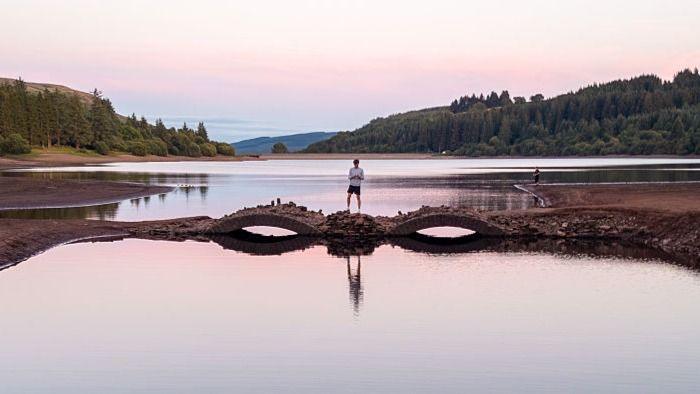
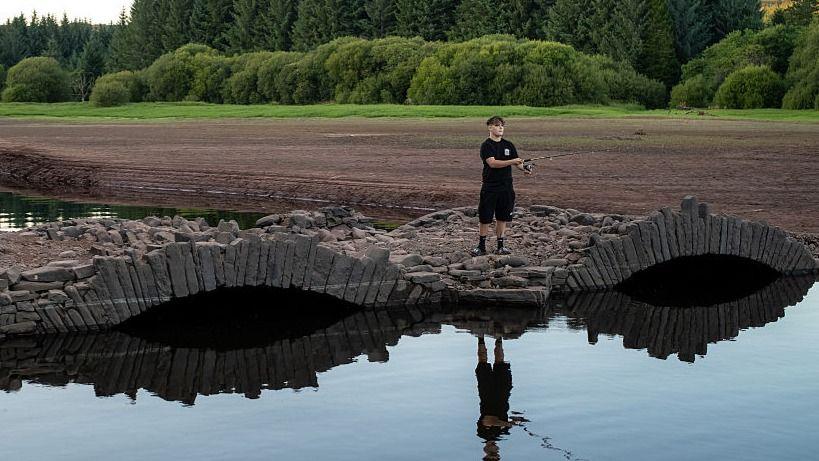
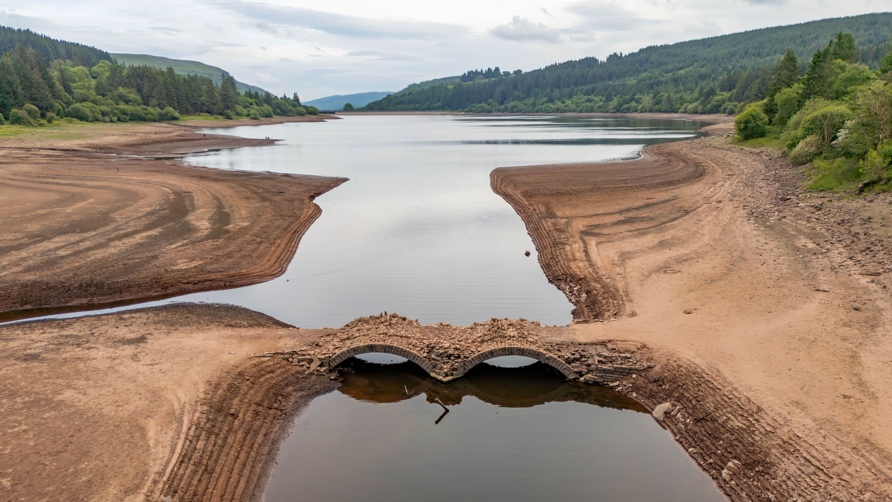
A 226-year-old stone bridge submerged a century ago has now reappeared twice in two years because of low water levels.
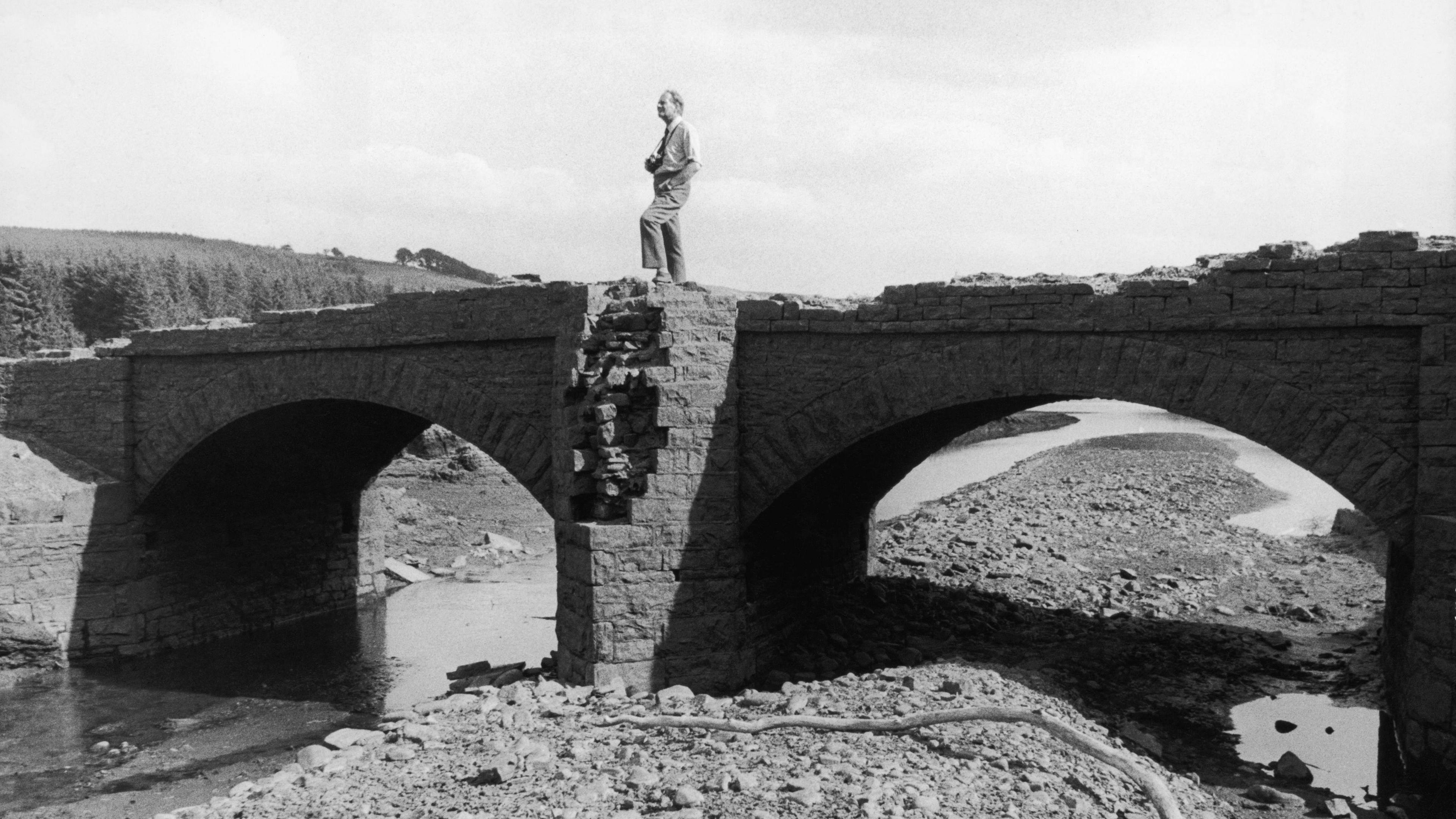
The bridge, thought to have been built in 1800, has laid beneath Merthyr Tydfil's Llwyn-Onn reservoir since 1911.
But it reappeared in 1976 because of severe drought, and again in 2025.
The two-arched structure has re-emerged again this summer as the UK is on course for its driest July in 190 years.
Natural Resources Wales (NRW) said Wales had received 8% of its long-term average rainfall for July, with most rivers in the country "exceptionally low".
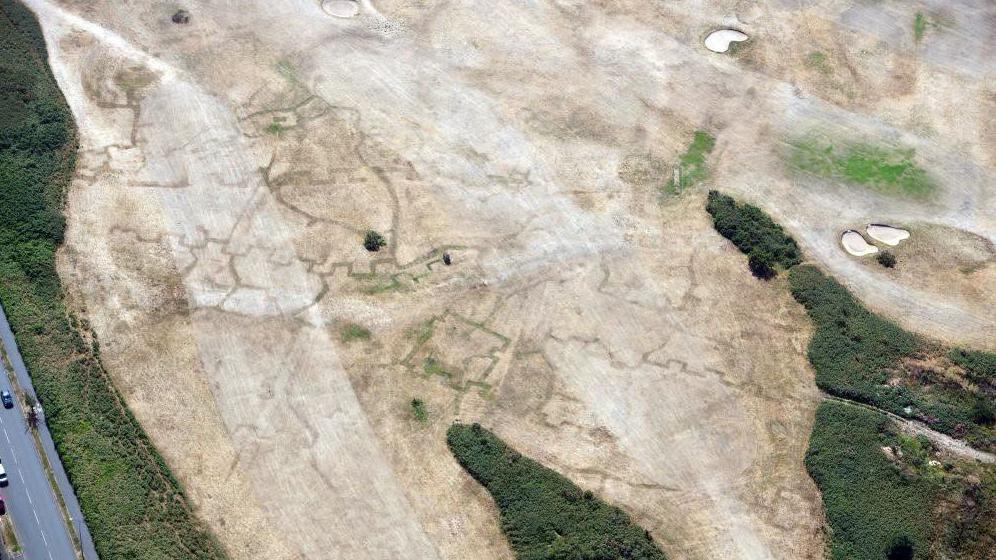
The drought has also led to the re-emergence of other archaeological features, including World War One practice trenches under a golf course in Deganwy, Conwy.
The Royal Commission on the Ancient and Historical Monuments of Wales (RCAHMW) said a series of heatwaves in June revealed prehistoric long barrows and forts to Roman buildings.
Many can only be seen from the air as distinctive marks in crops and grass, with some not seen for up to 30 years, according to RCAHMW.
Cropmarks of a rectangular Neolithic long barrow dating back 5,000 years have been seen in Welshpool, Powys, while archaeologists have been able to collect new details of buried Roman buildings at Caerhun Roman fort in Conwy.
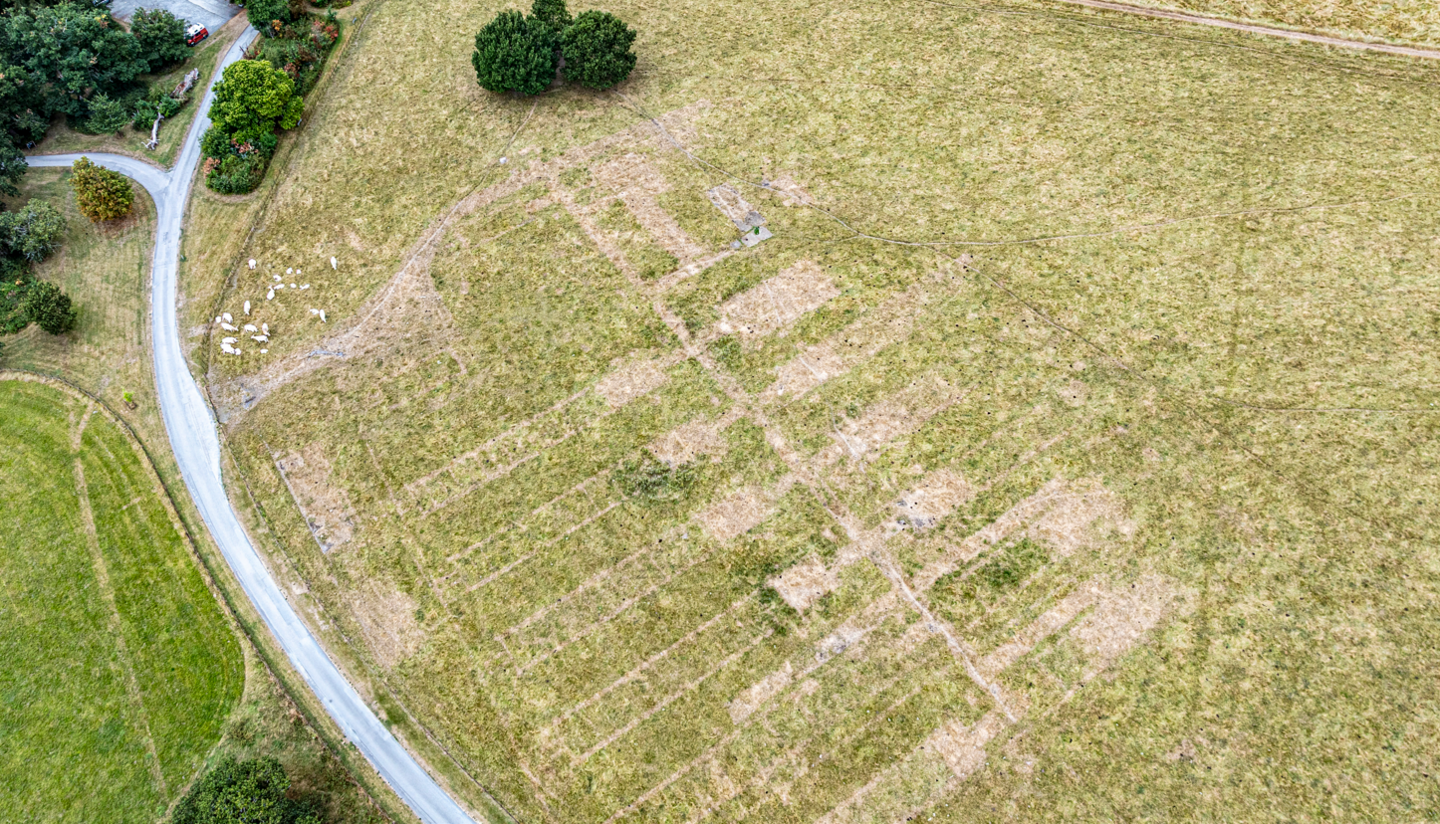
The unusually dry conditions have also exposed the outlines of former Nissen huts at National Trust Cymru's Dinefwr site in Llandeilo, Carmarthenshire.
These temporary structures played an important role during and after World War Two, serving first as a hospital and later as a prisoner of war camp, a National Trust Cymru spokesperson said.
After the war the huts were converted into temporary homes for local families at a time when housing was in short supply, with the settlement becoming known locally as "Tin Town".
The declaration of a drought does not mean there is currently a threat to water supplies for homes and businesses, with Welsh water companies saying reservoir levels are holding up after a wet start to the year.
But NRW said groundwater levels were falling in Wales, with some lower than expected.
It said teams were dealing with reports of "wide-reaching impacts to the environment", and that "conditions across Wales' natural environment have continued to deteriorate".
NRW's Rhian Thomas said the toll from the dry weather had been "clear to see", and that teams were closely monitoring forecasts and river flows.
"With no strong indications for notable rainfall in the forecasts, and risks of further heatwaves over the summer, it's more important than ever that we all use water wisely," she said.
"Every drop we waste is less water for our rivers and wildlife when they need it the most."