After the long summer holidays, it can be a relief for many parents to send their kids back to school.
But what if the new school year is causing problems for your child? It’s not always easy to spot the signs they’re struggling – but it’s important to look out for them, say the experts.
“Many parents will be ready to get back into the routine the school term brings, but for children it can feel like a big adjustment to go from having seemingly endless free time in the sun, to going back into a regular routine,” says Matt Buttery, CEO of the Triple P UK and Ireland parenting programme.
“They may have mixed emotions as they start school again, from excitement to dread – this is normal.”
And Tiffnie Harris, policy specialist at the teaching union the Association of School and College Leaders (ASCL), warns that new classes and subjects can be challenging, and there may be the added pressure of moving schools or forthcoming exams, so if a parent thinks their child is floundering the first thing they should do is discuss it with the school.
“It’s vital this is done in a constructive way, as this will make the issue much easier to resolve,” she explains, pointing out that many schools have a settling-in parents’ evening, or opportunities in the first half-term to speak to a tutor.
“This is a key opportunity for parents to air any concerns and ask questions.”
She says it’s useful for parents to be prepared for this by making notes before any meetings.
But how can mums and dads spot their child is not coping well? Here’s what the experts say…
1. Trouble sleeping

It’s normal for sleep to be a little unsettled when children head back to school, as they adjust to a more structured routine and navigate any worries about the new school year, says Buttery.
“If you notice your child is struggling to get out of bed and regularly complaining about being tired before and after school, a great way to help them adjust is to create a consistent routine,” he advises.
He says it’s best to start by establishing clear and consistent routines around key transition times of the day, such as getting ready for school, after-school activities, homework, meals, downtime, and bedtime.
Bedtime is especially important, he stresses, as many children need time to readjust from more relaxed holiday schedules.
“Supporting good sleep hygiene, such as consistent bedtimes and wake-up times, calm evening activities, and limiting screens before bed can help children feel more settled, rested, and ready to engage with the school day,” he explains.
“As children adjust to a new school year, predictable routines can provide a reassuring sense of predictability during a time of change.”
2. Lack of organisation
Although it’s normal for younger children to be disorganised, as pupils get older, organisation can become an issue that can lead to issues at school, says Harris.
“It helps if parents can work with their children to ensure they check their timetable, pack the night before and have everything they need to be ready for school the next day,” she suggests.
3. School work worries
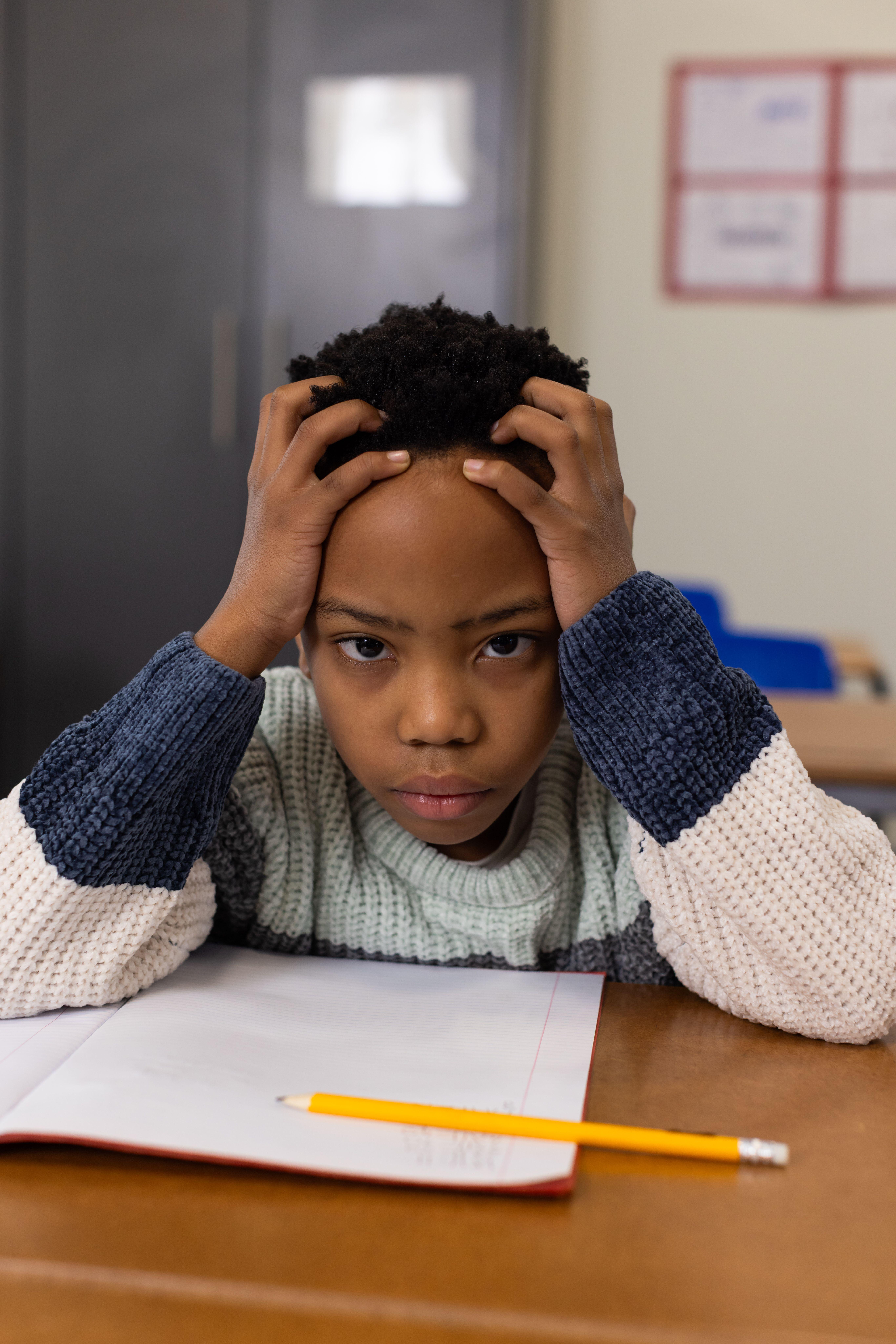
Signs a child is having issues with school work can include them expressing frustration about it and losing confidence in their abilities, avoiding certain subjects, or saying they find lessons boring or difficult, says Buttery.
“They might seem anxious or nervous before school days where they have certain lessons, or look like they’re avoiding school work or homework,” he suggests.
It’s important to speak to your child’s teachers as soon as possible if you think they may be struggling with a certain subject, and Harris says: “If a pupil is struggling in a particular class, then having an open dialogue with that teacher can be really beneficial.
“Being receptive to ways parents might be able to help at home is key – for example, where a child is having difficulties with literacy – reading with them and encouraging reading at home can make a real difference, particularly for younger children.
“Remember that schools want to work with parents to provide the best opportunities for their children. This partnership is absolutely vital.”
4. Not bonding with peers

The first few weeks of school can be overwhelming for children, especially if they’re at a new school where they don’t know many of their peers, warns Buttery.
“If you notice they seem withdrawn, nervous or anxious before or after school, it may mean they’re having a hard time bonding with their new school mates, feeling lonely and unsettled, or having problems with their friendship group,” he says.
One of the most important ways to make friends is by finding common interests, he points out, and children often learn these social skills by watching their parents.
“Talking about what a good friend looks like in your everyday conversations with your child can help,” he says. “Ask them what they think a good friend does – is it letting others join in their games, or listening to ideas from other kids? Notice and praise kids when they do these things, and share what you like about your friends.”
He also advises parents to encourage their child to try the school’s extracurricular clubs, which can be a great way for children to get to know their peers. But he warns parents to make sure children aren’t doing too much, pointing out: “It’s important to encourage designated downtime to avoid your child becoming burnt out or overwhelmed.”
5. Stress about bullying or other issues
Starting a new school year may open up lots of different emotions for your child, and mixing with new kids could spark bullying, or lead to children being left out and feeling stressed or anxious.
Harris says signs of anxiety to watch out for may be a child complaining of stomach problems, not wanting to talk about their school day, or having mood swings.
Buttery says a stressed child may seem quieter than usual, or more withdrawn or irritable, and he suggests that if parents notice any signs of anxiety in a child they should encourage them to express their feelings by asking open-ended questions, such as ‘What was the best thing that happened at school today?’, ‘What lesson did you find the trickiest?’, or ‘What did you and your friends talk about at lunchtime?’.
He adds: “This may help encourage them to share their thoughts with you, rather than the usual one-word answer many parents will hear when they ask their child how their day went.”
But he points out that if stress and anxiety are affecting your child’s ability to enjoy school, parents should seek help through teachers, a GP, or parenting experts.