The transition from summer to autumn can sometimes be tricky to navigate, as the dramatic change in weather and reduction of sunlight can often have both subtle and significant impacts on our sleep schedule.
We spoke to some sleep experts who explained five key ways autumn can change your sleep, and offered helpful recommendations on how to adapt to this.

1. Temperature change can impact the time it takes to fall asleep
“We often have a lot of fluctuations in temperature this time of year, which can have an impact on people’s comfort before bed,” says James Wilson, also known as ‘The Sleep Geek’, resident sleep expert at Bensons For Beds.
Temperature plays an important part in the falling asleep process.
“In order to fall asleep, our body wants to reduce its internal body temperature by around one degree. Therefore, compared to summer, cooler temperatures in autumn can benefit our sleep because it tends to be easier to get rid of your internal heat and fall asleep quicker,” explains Dr Kat Lederle, sleep and circadian rhythm specialist at The London General Practice.
However, if the temperature drops too much, this can also be problematic.
“If it gets too cold and we start to shiver and become uncomfortable, then that will make falling asleep harder,” says Lederle.
“This might prompt someone to turn the heating on and switch to a thicker winter duvet, which can make it too warm for sleep to happen.”
Recommendation on how to adapt:
“In an ideal world I would recommend a gradual change in temperature,” advises Lederle. “Rather than going from a very thin duvet to a very thick one, gently adjust the heaviness or warmth of the duvet as it gets colder.”
Layers might also help.
“Having access to some blankets to layer allows you to manage the temperature better,” recommends Wilson.
“If you do need more warmth, rather than heating the whole room, I would recommend directing a plug-in heater directly onto your bed or using an electric blanket that turns off as you go to bed.”
2. Shorter days and darker evenings can make you feel sleepier earlier
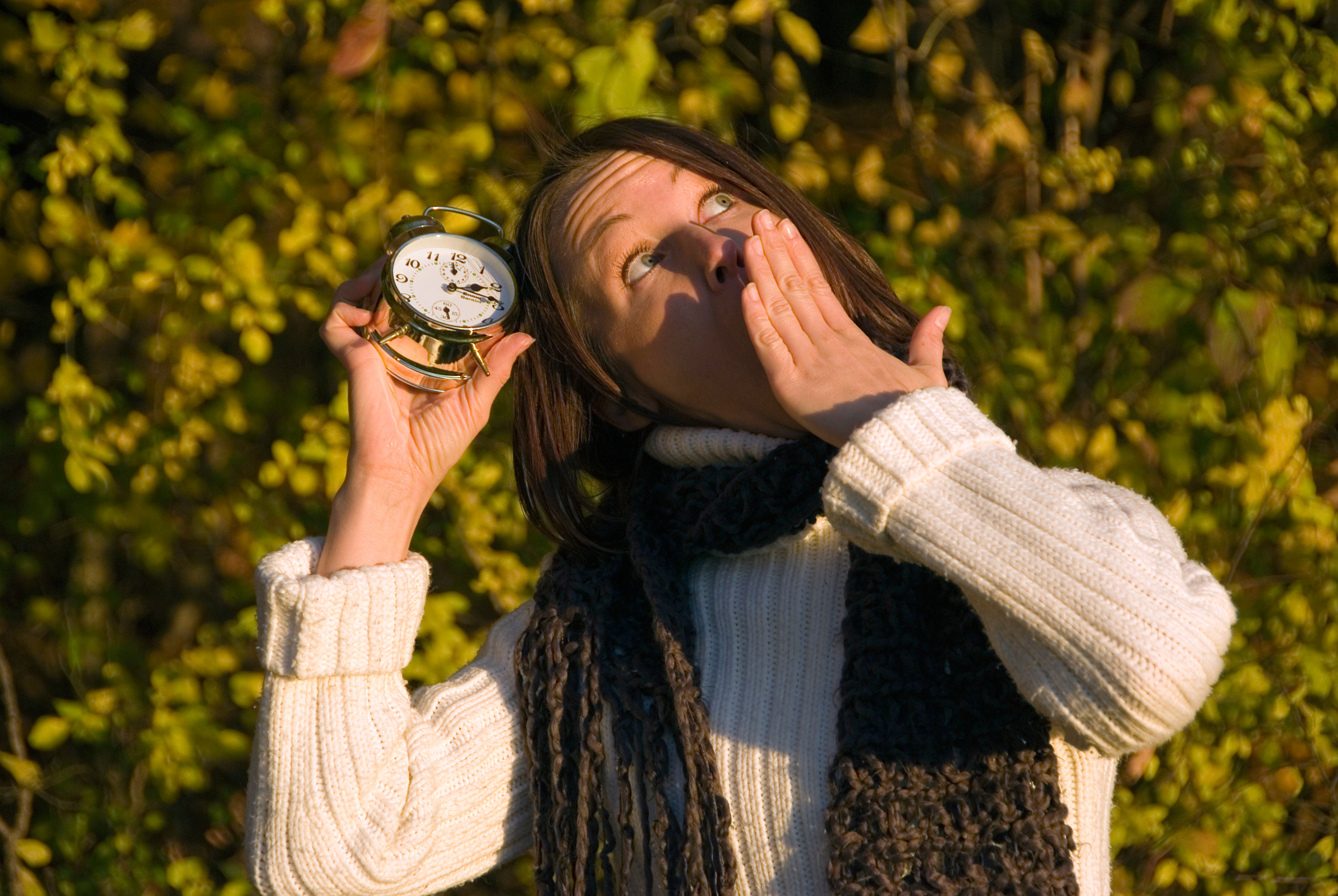
“During the transition into autumn and winter, days become shorter and the evenings becomes longer, which can positive effect on our sleep,” says Lederle.
She explains: “When it gets dark outside, our body will release melatonin, which is the hormone that tells your body to get ready for nighttime. So, the earlier it gets dark, the earlier melatonin, in theory, will be released. I say ‘in theory’ because electric lightning can interfere with this.”
This can cause a slight shift in bedtimes.
“People might move their bedtime to the earlier part of their window of opportunity because they feel sleepier earlier,” says Wilson. “For example, if they went to bed at 11pm in the summer, they might start to go to bed about quarter past 10 in the autumn.”
Recommendations on how to adapt:
“Try to reduce the intensity of the light environment around you in the evenings. For example, you could dim the lights or use little lamps,” recommends Lederle.
3. Darker mornings can make it feel harder to get out of bed
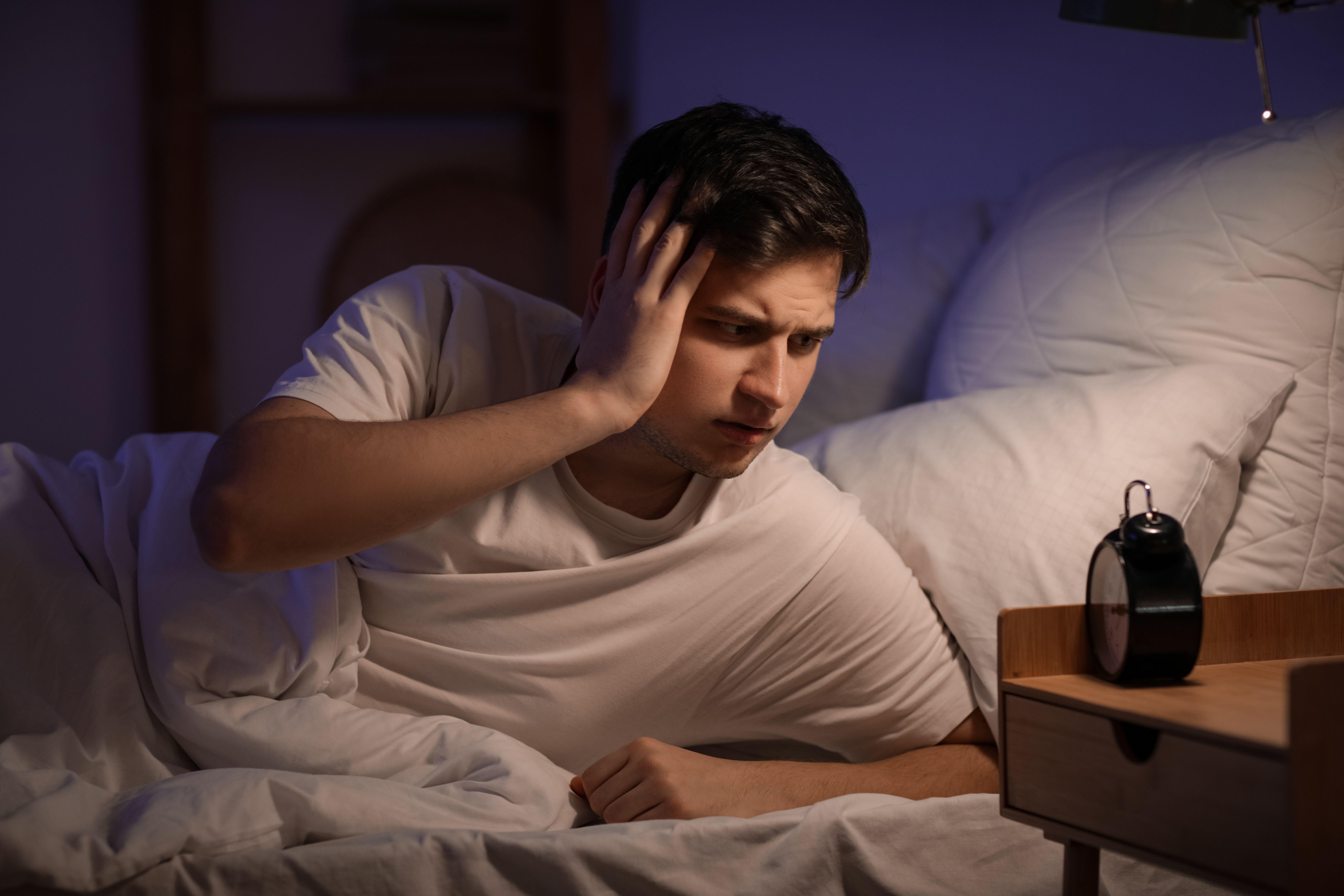
“Because it’s darker for longer in the mornings during autumn, the melatonin will be released for longer which, in theory, translates into longer sleep,” says Lederle.
“However, because we live in a society where we tend to start working at eight or nine in the morning, we often have to get up without natural sunlight.”
Waking up in the dark can be a difficult adjustment.
“Sunlight helps the production of cortisol, and cortisol helps wake us up and feel alert, so when that natural night isn’t there in the mornings, many people report feeling groggy and struggle to wake up,” says Wilson.
Lederle agrees and adds: “This could be because melatonin is still being released, or has only recently finished being released, too close to the wake-up time.”
Recommendation on how to adapt:
“I would recommend getting a sunshine alarm clock that uses light to pull your body out of that deeper status of sleep gradually, rather than using an audible alarm that shocks you into wakening,” advises Wilson.
4. Reduction in movement can reduce sleep quality

“Moving into winter, we tend to go out less, socialise less, and move less because it’s colder, darker and rainier,” says Lederle.
This reduction of movement could have a negative impact on sleep.
“Movement throughout the day helps build up sleepiness and studies have consistently found that long periods of sitting down are associated with reduced sleep quality,” says Lederle.
“In addition, going out less means you get even less natural light, and natural light is so important for our body clock and mood.”
Recommendation on how to adapt:
“Go out and get some sunlight and movement during the day, and make sure that you stay connected to friends and family,” advises Lederle.
5. Changes in diet and eating patterns
Our diet and eating patterns often change as we transition into the autumnal months.
“For example, we tend to eat heavier meals later in the evening this time of year and often crave comfort food and sugary foods that take longer to digest which can cause some discomfort and disrupt sleep,” says Lederle.
Recommendation on how to adapt:
“Make sure that you are also adding more fibre to your diet and try to reduce the number of late meals that you have,” advises Lederle.