Wild swimming is on the rise in the UK and Ireland. As we’re surrounded by sea and the land is dotted with lakes, reservoirs and rivers, swimmers who fancy a dip in open water are spoiled for choice.
But swimming in open water can be dangerous, so it’s wise to research where you plan to swim carefully before taking the plunge, checking things like conditions, currents and access.
Earlier this year a report commissioned by the Sport and Recreation Alliance noted that while more than four million people try open-water swimming every year, the number of people regularly participating in the sport has more than doubled from around 266,000 adults in 2016-17 to 543,000 by 2023-24.
The Outdoor Swimming Society (OSS) explains perfectly why wild swimming is so popular, saying outdoor swimmers “fall in love with the magic, the wilderness, the connection with nature, the adventure, that maverick spirit”.
OSS founder Kate Rew, author of The Outdoor Swimmers’ Handbook (Rider, £25), points out that local rivers and lakes can be as exciting to swim in as bodies of water at well-known sites, but she warns that safety is the top priority.
“As a nation, we’ve been estranged from our waterways for so long that there’s an entire country of unknown swimming places out there to find,” she says.
“In this heat, the less travel the better for many of us. You don’t necessarily need to travel to a famous beauty spot – a local river, lake or stretch of coast can become somewhere you know intimately through the seasons.
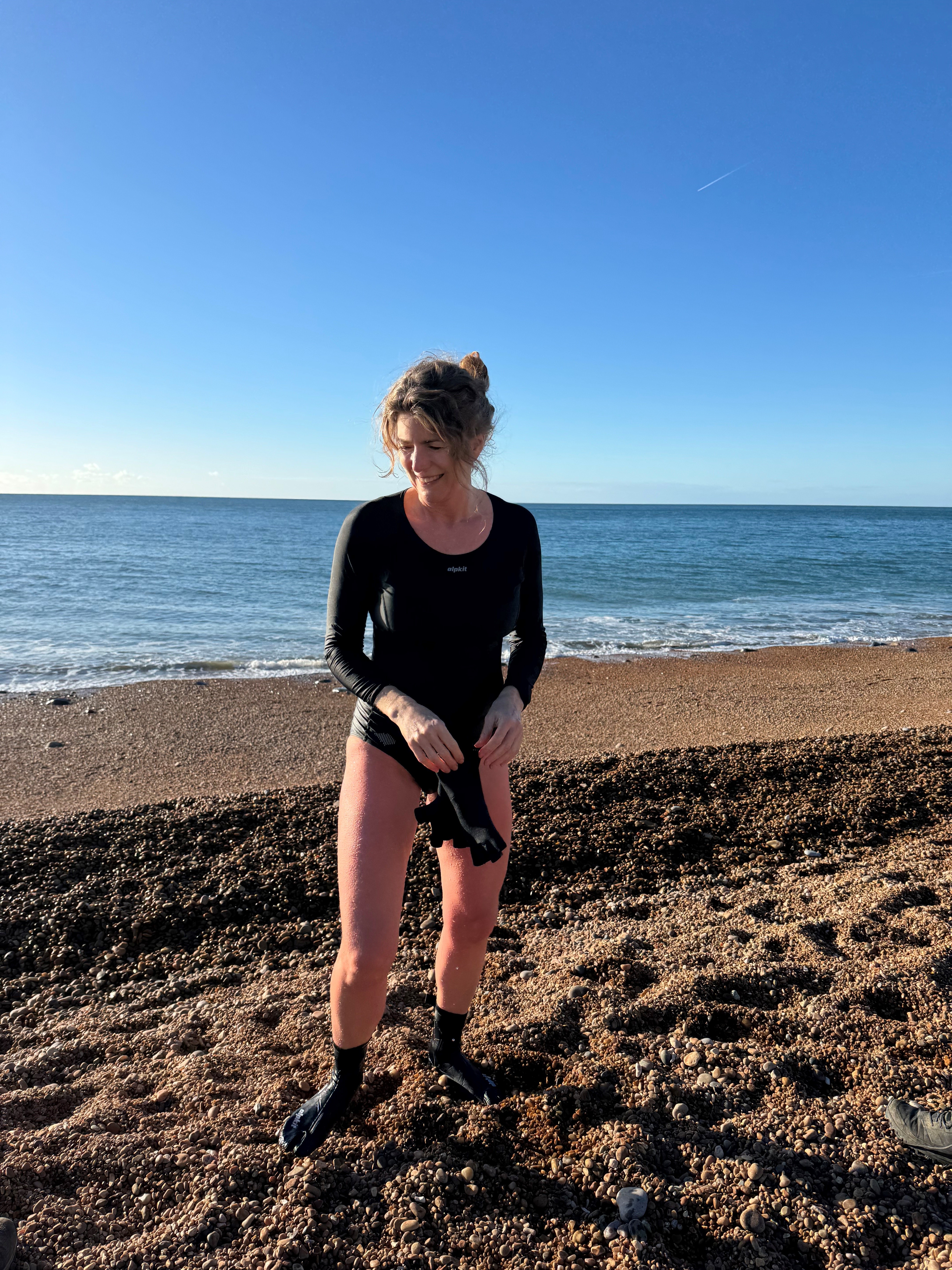
“But check you have a safe and legal way to access the water, look carefully at conditions before getting in, and make your own assessment on the day. Rivers can change dramatically after rain – tides and currents matter at the coast, and cold water affects everyone differently.”
Rew, who fell in love with outdoor swimming after swimming in a Devon river as a child, advises wild swimmers to know where they’re going to get out before they get in, swim within their abilities, and to go with someone more experienced or join a local group if you’re new to this type of swimming.
But she stresses: “Perhaps most importantly, treat swimming places as places rather than attractions, park considerately, respect wildlife and local communities, leave no trace, and don’t assume that because somewhere has appeared on a wild swimming list it will be suitable for everyone, or safe in all conditions.”
And she warns that the current dry spell is worsening water quality and causing low flow in rivers, lakes and reservoirs, adding: “Take a view before you get in – sight and smell are not a biological purity test, but if it doesn’t look appealing, that’s a signal worth listening to.”
If you think you’re fully prepared for a wild swimming experience, where should you go? There are countless options, but here are some good ones…
1. Sandy Cove, North Devon coast
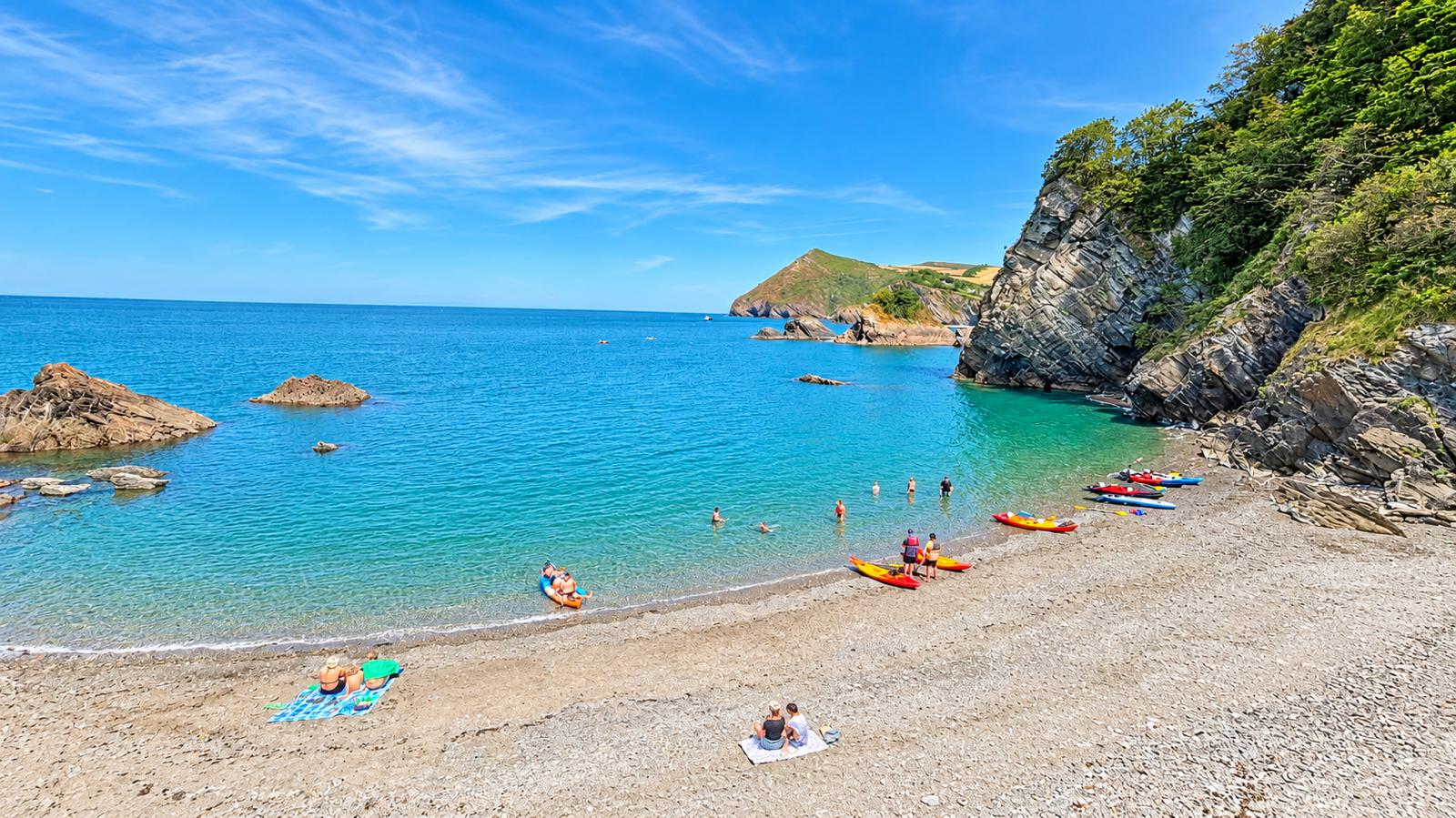
Neil Gilson, an open-water marathon swimmer who broke the world record for swimming the 45-mile length of Lake Geneva in 2024, says one of his favourite places for open-water swimming is the beautiful, sheltered Sandy Cove on the North Devon coast.
He does most of his open-water swim training at the cove, and is currently preparing for the final swim – across Lake Geneva again – of a two-year fundraising challenge to swim 10 great Swiss lakes to raise money for Pans Pandas UK .
He says: “Sandy Cove is a stunning place to swim. It sits within a Site of Special Scientific Interest, with dramatic cliffs and rocks surrounding the water and wonderful views along the north Devon coastline. Those surrounding rocks also provide a good degree of shelter from the elements, particularly around high tide.”
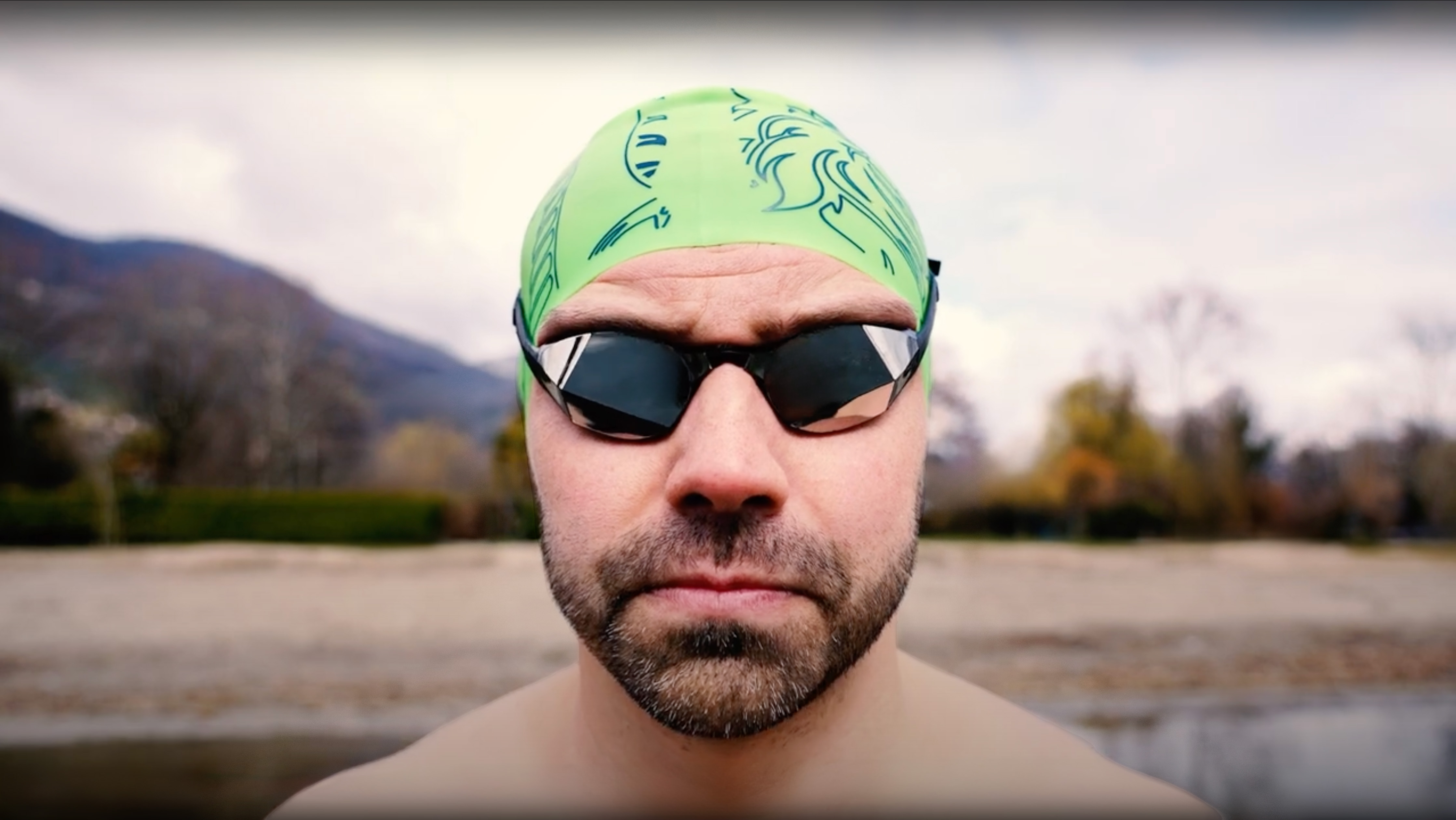
He recommends swimming there around high tide, explaining: “The water tends to be better protected and you avoid more of the exposed rocks, making access and swimming generally safer and more enjoyable.”
He warns that conditions can change quickly, and recommends checking the weather, sea conditions and tide times before getting in.
The cove is accessed by steep stone steps on the western side of Lee Bay, and you can follow the South West Coast Path from Woolacombe or Ilfracombe on foot, or drive via country lanes from either town, heading to Lee Bay.
2. Llyn Padarn, Llanberis, North Wales
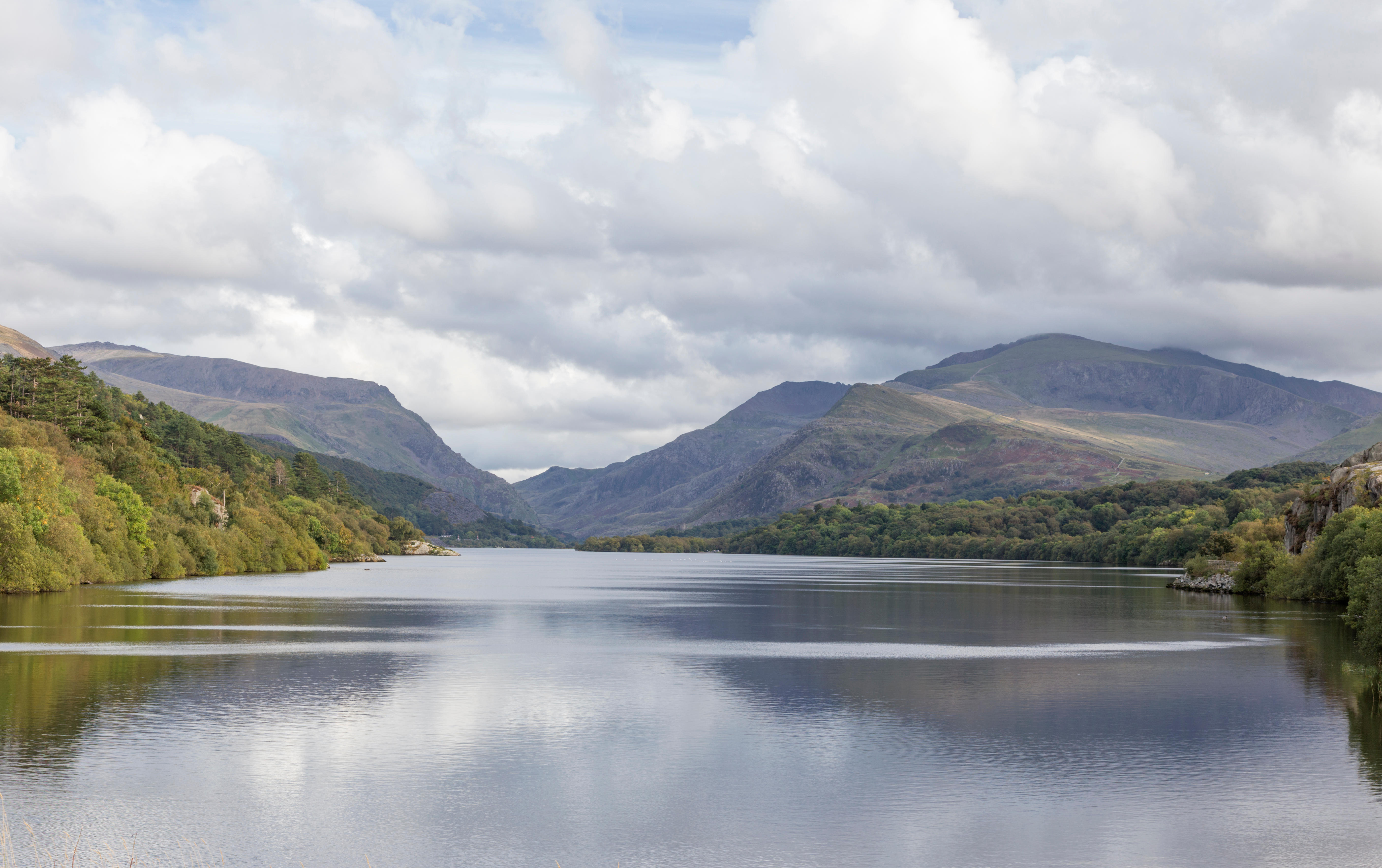
This 3km lake has the spectacular backdrop of the Snowdonia mountains and the 13th-century Dolbadarn Castle. It’s officially classed as an inland bathing water by Eryri National Park, and is regularly monitored for its high water quality.
The water is 30m at its maximum depth, and Padarn Country Park officials warn swimmers to check the depth and terrain of the lake bed, as some areas may drop off abruptly, and avoid jumping or diving in, as there may be sharp slate below the water.
To get to Llyn Padarn from Bangor, leave the A55 at junction 11, take the A4244 towards Llanberis, and continue onto the A4086.
3. Loughmacrory Lough, County Tyrone, Northern Ireland
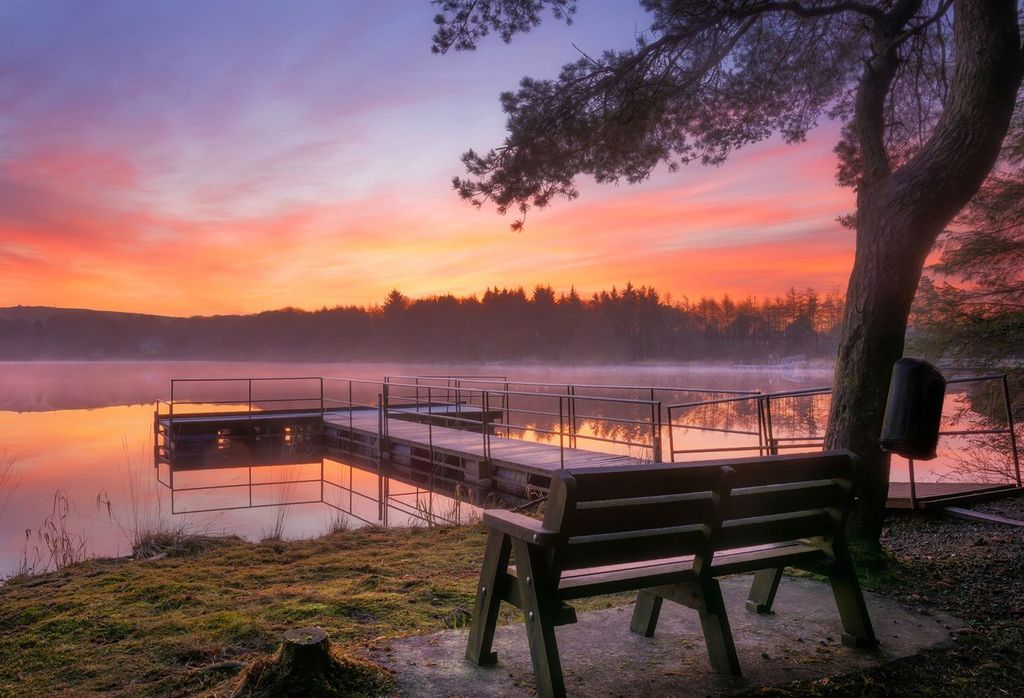
Loughmacrory Lough by the village of Loughmacrory, near Omagh, is a natural freshwater lake which hosts Get Wet Stay Safe introductory open-water sessions.
Water in the lough, which has a gradual depth increase, isn’t tested for swimming. The lake is around eight miles east of Omagh, near the Sperrin mountains.
4. Dosthill Quarry, Tamworth, Staffordshire
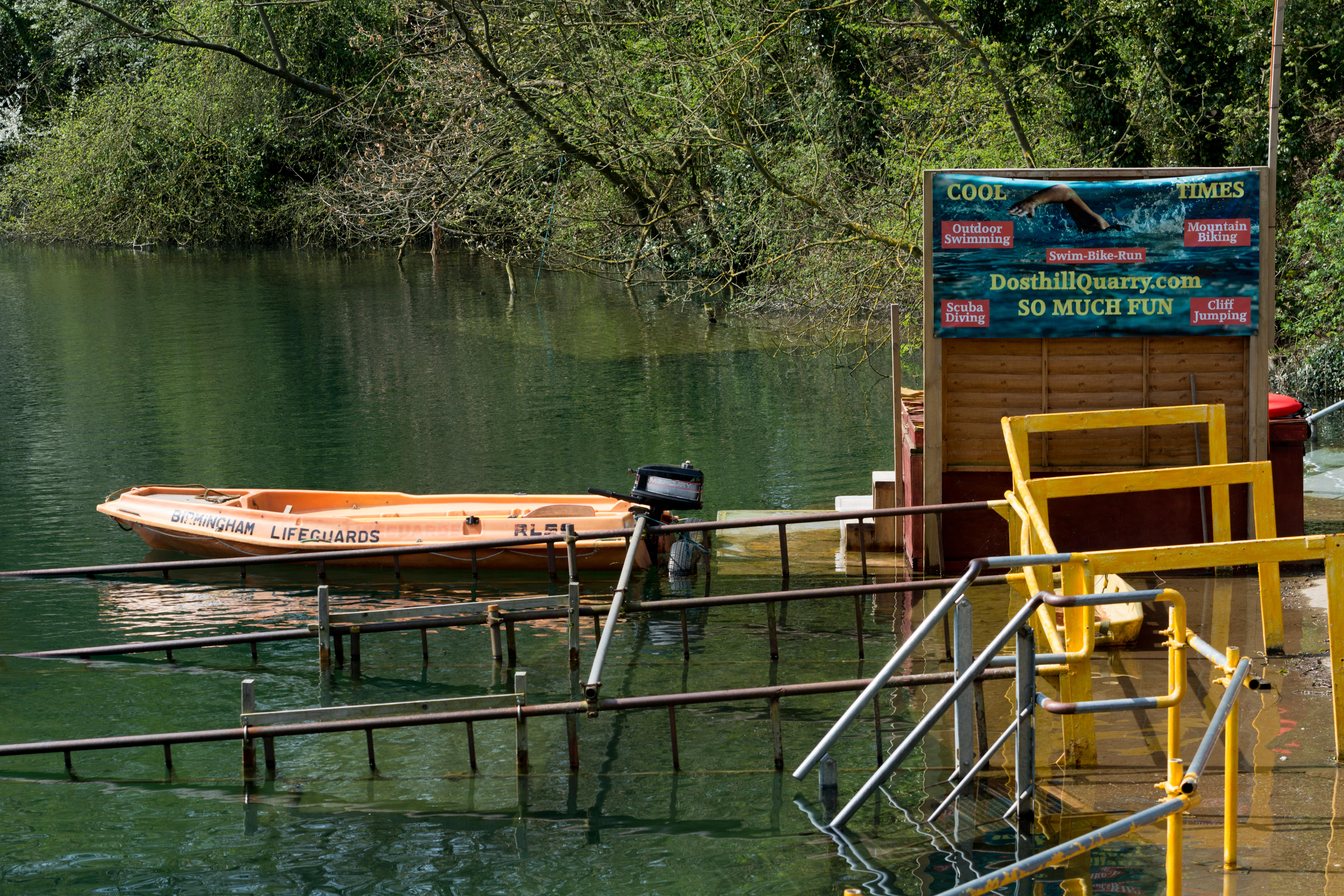
The Dosthill Quarry 10-hectare site has easy water entry and exit points and is sheltered from strong winds. Swimmers can pre-book sessions, and wetsuit and tow-float hire are available, making it accessible for those trying wild swimming for the first time.
The quarry is recommended for open-water swimming by West Midlands Railway – the nearest station, Wilnecote, is just 1.3 miles away.
5. Debdale Outdoor Centre, Gorton, Manchester
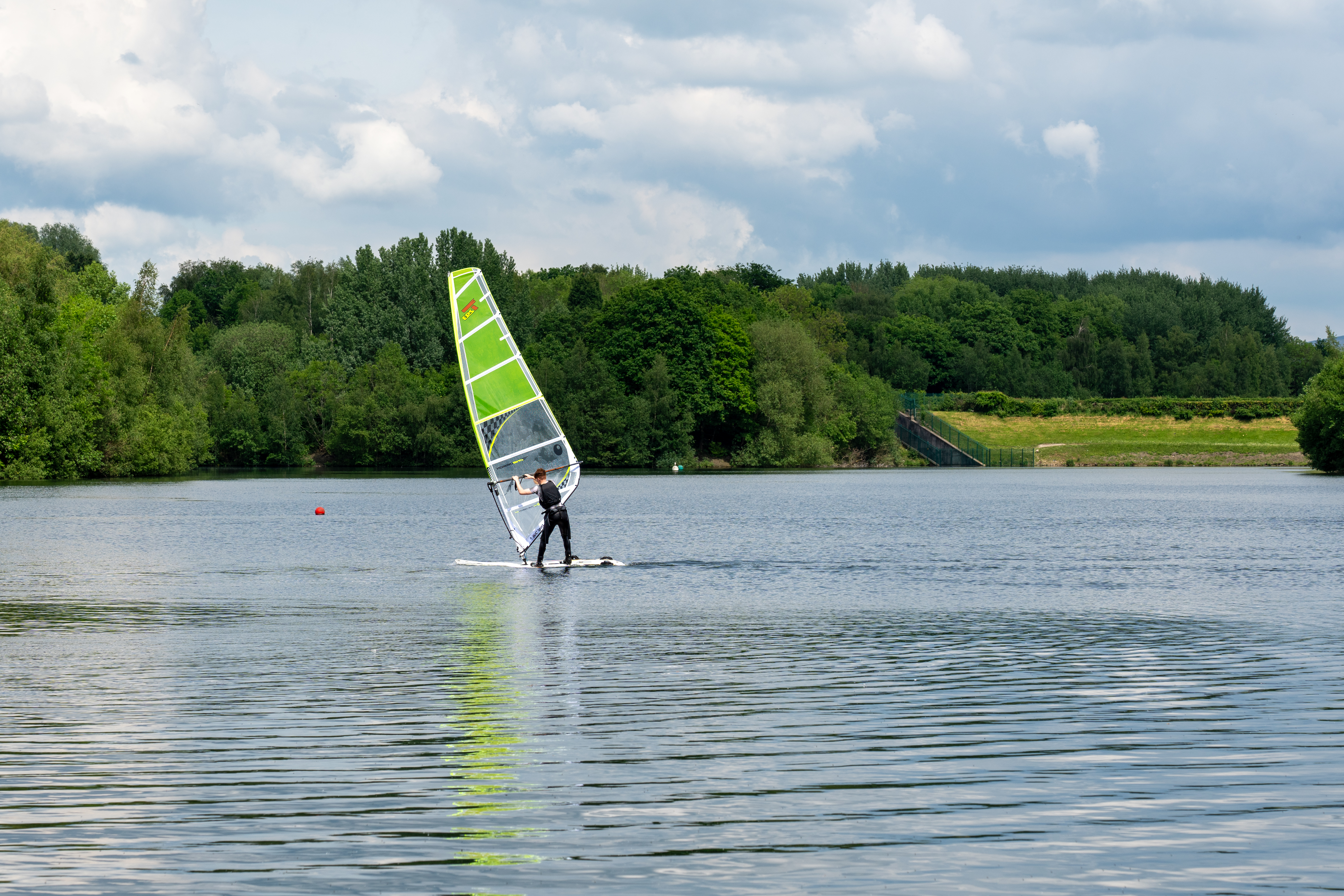
For more formal open-water swimming sessions, try Debdale Outdoor Centre in Gorton, on the edges of Manchester. Bookable sessions in the reservoir are suitable for experienced adult swimmers, and are supervised by a qualified safety team. Changing facilities, showers and lockers are available.
The centre is at 1073 Hyde Rd, Gorton, Manchester M18 7LJ.
6. Lough Lene, County Westmeath, Ireland
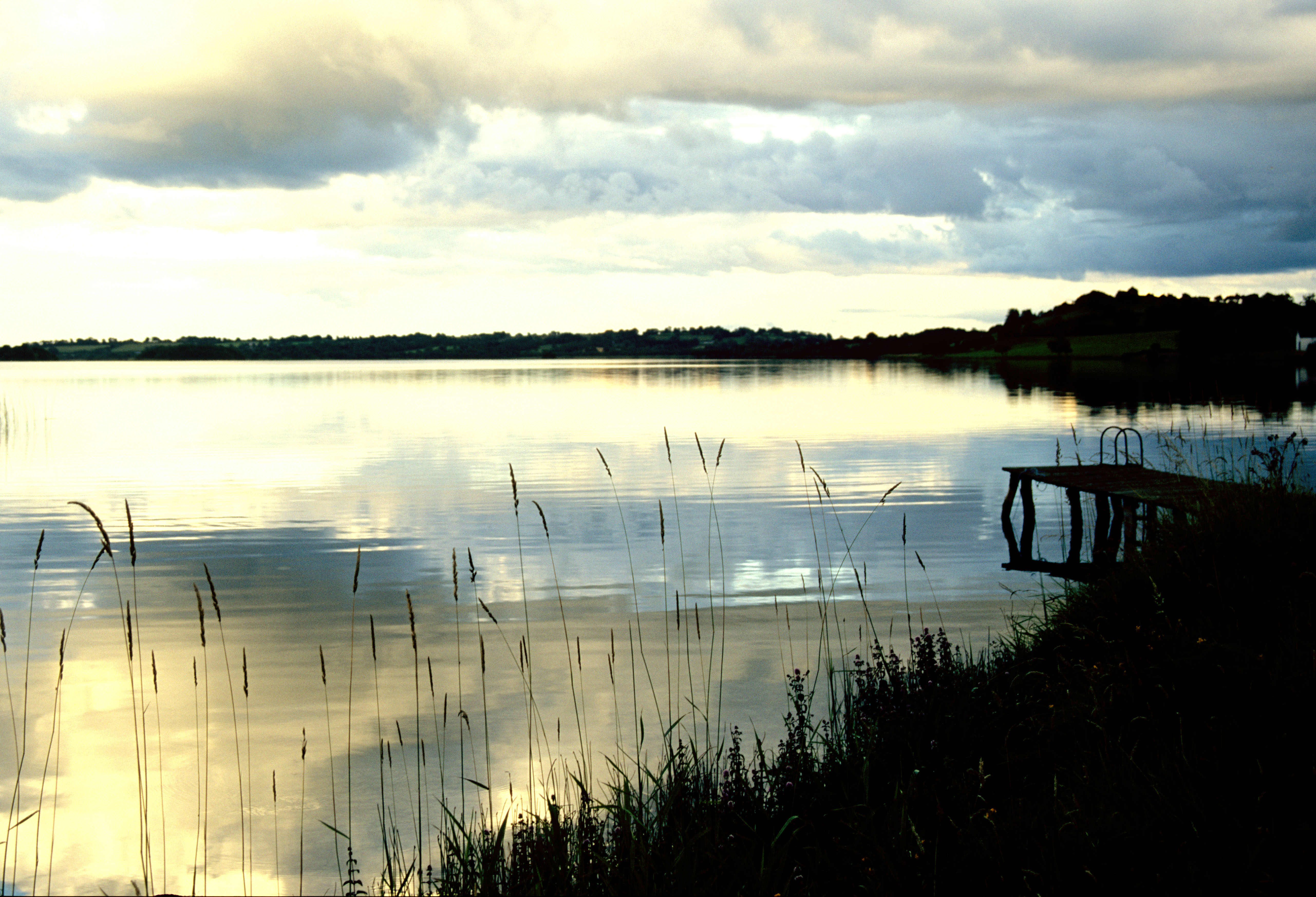
Outdoor Swimming Ireland says Lough Lene offers a distinct swimming section which has a boardwalk out to the lake with ladders into the water. The water is clear and the bottom is sandy, and there are toilets and a small indoor changing room near the loch.
To get to the loch from exit 11 of the M4, take the R394 toward Castlepollard. After Crookedwood, turn right for Collinstown, and then follow signs for the loch.