A urine and vaginal fluid test could help rule out womb cancer in women with postmenopausal bleeding.
Women usually have to undergo ultrasounds, biopsies and sometimes a hysteroscopy to investigate symptoms, but researchers say this new approach provides an alternative less-invasive assessment.
A study, published in the Lancet Obstetrics, Gynaecology and Women’s Health, analysed 1,864 women who attended hospital with postmenopausal bleeding.
They provided samples of urine and vaginal fluid which were examined by specialists and 115 women were found to have cancer, including 99 who had womb cancer.
When the urine and vaginal cell sample results were combined, the test correctly identified 80% of cancers. In addition, it detected almost all aggressive cancers, identifying 95.8% of high-grade tumours and 96.4% of cancers that had already spread beyond the uterus.
In light of this exciting research, we spoke to Dr Lucy Hooper, private GP and co-founder of Coyne Medical in London who has a particular interest in women’s health, who highlighted 7 key facts every women should know about womb cancer.
1. Womb cancer is often referred to as uterine or endometrial cancer
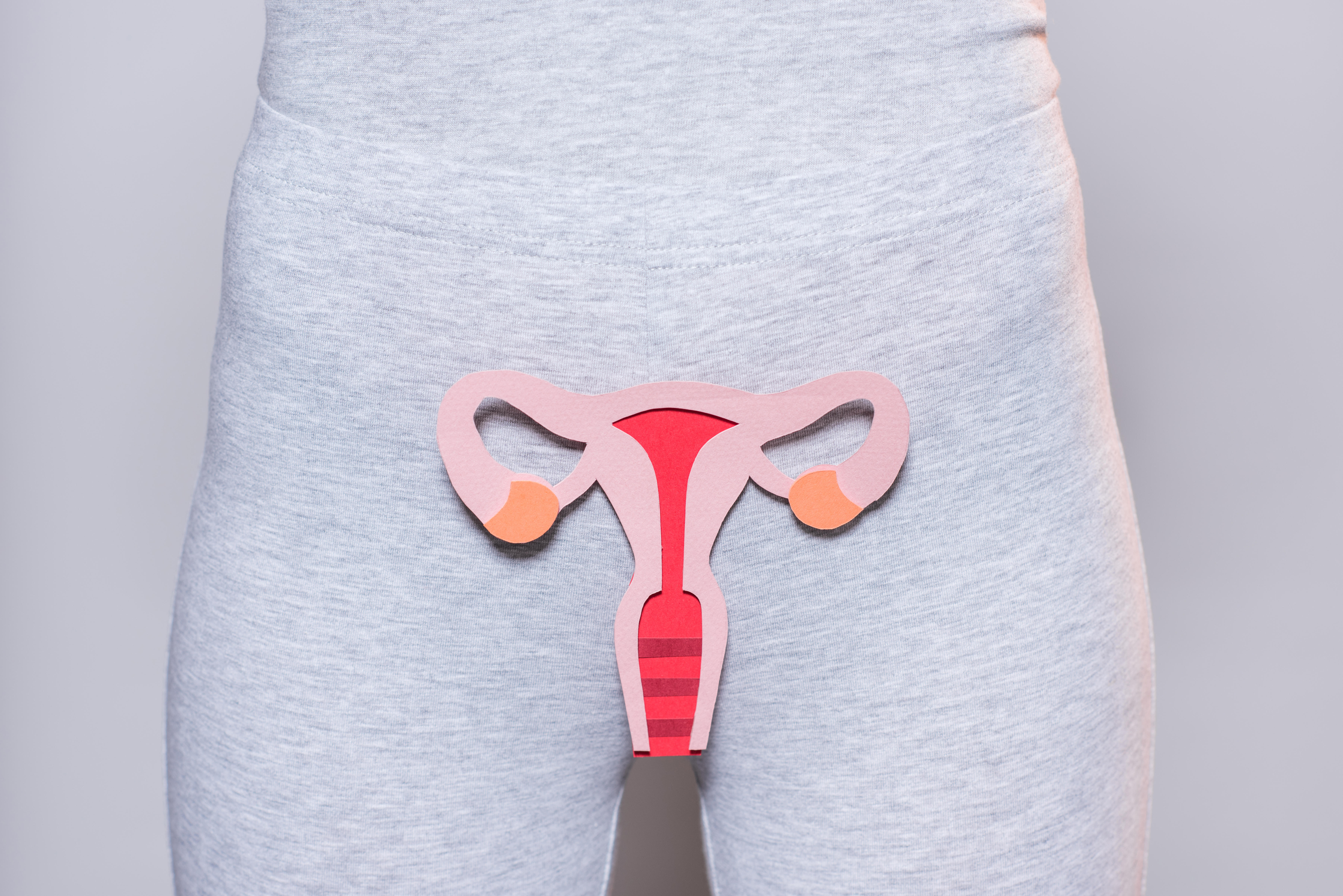
“Womb cancer is another word for endometrial cancer or cancer of the uterus, and it’s becoming more common over time,” says Hooper.
It’s the fourth most common cancer in women in the UK and there are 12% more cases of womb cancer compared to 10 years ago, according to The Eve Appeal’s website.
2. Obesity is a risk factor
Being overweight or obese causes around a third of womb cancers, according to Cancer Research UK.
“There’s a strong link with obesity and metabolic conditions, such as type 2 diabetes, and an increased risk of womb cancer, so, for some people, focusing on that can help reduce their risk and put them in a lower risk category,” says Hooper.
3. Womb cancer is more common as you get older

Womb cancer can affect anyone with a womb at any age, but it’s more common after the menopause.
“Age is definitely a risk factor, so it does become more common as people get older,” says Hooper.
Incidence rates are highest in females aged 75 to 79 in the UK, according to Cancer Research UK’s website.
4. The key symptom to look out for is abnormal vaginal bleeding
“The cardinal symptom women need to know about is bleeding that happens after menopause,” says Hooper.
She encourages women to flag this up with their GP straight away, even if it’s just a bit of spotting on blood-stained discharge.
“For most women there will be another cause for their bleeding, but because it is the most common presenting symptom of endometrial cancer make sure you go to your GP so that some tests can be done to rule out cancer,” advises Hooper.
Other changes in bleeding should also be reported.

“For women that are still having their periods, other symptoms to look out for are bleeding that happens in between periods, bleeding that becomes heavier, or new discharge or bleeding that’s different for you,” says Hooper.
These changes can be subtle, so she encourages women to flag up anything that isn’t normal for them.
“Having heavy periods can be a lifelong issue for some women, but if something is different and has changed for you then it’s really important to get that checked out, especially if you are in that older age group,” advises Hooper.
5. Early detection is key
“Like any cancer, we always want to diagnose things as soon as possible because it means that treatment is more likely to be less invasive and more successful,” says Hooper.
6. Cervical screening doesn’t detect womb cancer

“A lot of people think that their cervical screening checks for endometrial cancer, or would pick up if there is was a problem, but unfortunately it does not,” says Hooper.
“These tests just look at cervical cancer risk and don’t detect endometrial cancer, so if people are having symptoms, they need specific checks done to rule that out.”
7. A small number of womb cancers are caused by gene changes that are passed on in a family
You might be more likely to get womb cancer if you have a family history of bowel, ovarian or womb cancer, or have inherited a rare gene that causes Lynch syndrome, according to the NHS website.
“Lynch syndrome is the most common inherited cause of bowel cancer in the UK and women with Lynch syndrome also have a higher risk of endometrial cancer,” says Hooper.
Lynch syndrome means there is a three to six in 10 risk (30 to 60%) of developing womb cancer over your lifetime if you have a womb, according to Macmillan’s website.
“So, if you do have a family history of both bowel and womb cancers, it might be worth finding out if there is a Lynch syndrome mutation in your family,” says Hooper. “It’s very high-risk group, so when people find that they have a mutation, they may be offered risk-reducing treatment.”