While topics like heart, skin and gut health are popular areas of discussions, urinary health is often overlooked until a problem starts.
Being proactive about taking care of your urinary health can reap an abundance of benefits – such as preventing painful infections and lowering the chances of getting kidney stones.
Ahead of Urology Awareness Month this September, we spoke to Mr Wissam Abou-Chedid, consultant urological and robotic surgeon at Nuffield Health in Woking, Guildford and Parkside in London, who has shared seven simple habits that could make a meaningful difference to your urinary health.
1. Stay hydrated

Keeping your body hydrated is one of the best and most proactive things that you can do for your urinary health.
“Sometimes when the urine is too concentrated, it leads to more bladder irritation, and more bladder irritation means more frequency and urgency,” explains Abou-Chedid.
“Not drinking enough water can also increase the risk of urinary infections and, in some cases, the development of kidney stones.”
However, the consultant urological and robotic surgeon doesn’t recommend forcing yourself to drink litres of water everyday.
“Hydration matters, but more is not always better,” says Abou-Chedid. “The aim is sensible hydration, so you should aim to drink about a litre-and-a-half to two litres a day.”
He adds that you can also up your intake by consuming more water-rich foods.
“Eating lots of fruits and vegetables – such as oranges, pineapples, tomatoes – is good because they tend to contain a lot of water,” says Abou-Chedid.
2. Limit caffeinated beverages

“If you’re experiencing increased frequency, urgency or any other overactive bladder symptoms, then one of the most important things you can do is cut down on caffeinated beverages,” advises Abou-Chedid.
Try to switch your go-to coffee order to decaf.
“Most caffeinated drinks will have a decaf option, and keeping to decaf can make a lot of significant improvement in urinary symptoms,” says Abou-Chedid.
3. Don’t force yourself to go to the toilet every hour
“Don’t go to the toilet ‘just in case’ all the time,” advises Abou-Chedid. “While it can be sensible to go to the loo before going to bed or before a long car journey, it’s not something you should be doing all the time.
“If you go to the loo every hour, even if there’s no need, that tends to reduce the bladder capacity and let’s your bladder get accustomed to frequent voiding and the reduced capacity.”
4. Tackle constipation
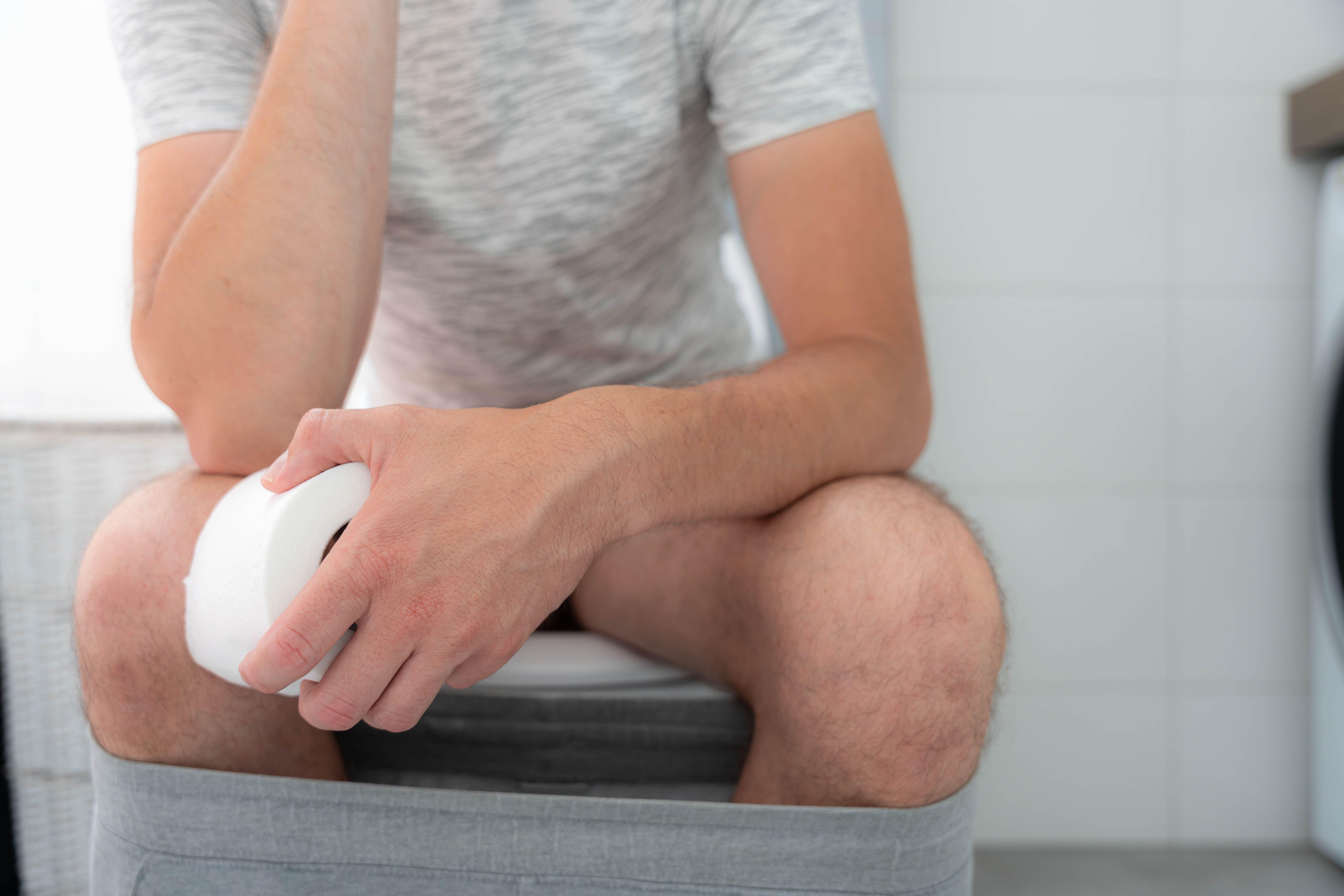
“People that are constipated tend to have worse urgency, frequency and difficulty emptying their bladder,” says Abou-Chedid.
“If you’re constipated, the bowel is pushing on your bladder and irritates it, which causes more urgency and frequency, and leads to difficulty emptying the bladder. Therefore, it’s very important to deal with any form of constipation.”
5. Stay active

“Keeping active and maintaining a healthy weight can definitely help,” says Abou-Chedid. “If you are overweight, this put more stress on your pelvic floor, and that can then lead to a weakening of the pelvic floor, which will eventually lead to more leakage and more urinary problems.”
6. Try pelvic floor exercises
“Looking after your pelvic floor can definitely help, so try doing some pelvic floor muscle exercises,” recommends Abou-Chedid.
7. Don’t ignore persistent, life-impacting symptoms

“If you are experiencing symptoms that are affecting your quality of life, then you ought to seek help immediately,” recommends Abou-Chedid.
“Symptoms, such as blood in the urine in particular, should prompt immediate help because it could be due to an underlying bladder cancer or kidney cancer.”
“Many people that think that it’s just an inevitable part of the ageing process and that it’s just something we have to live with and adapt to, but that’s not true,” says Abou-Chedid. “There’s a number of treatments, including minimally invasive treatments, that can change a patient’s life.”