
Want to bookmark your favourite articles and stories to read or reference later? Start your Independent Membership today.
Join todayAlready a member? Log in
Plans to devolve more power to local regions have been revealed by the government, with a pledge to cover 90 per cent of England’s population in the coming years.
Alongside its Autumn Budget, Labour has shared more details on how it will transfer power from Whitehall to local leaders in a bid to deliver “good growth in every postcode”.
Ten new devolution agreements are in their final stages as part of the plan.
These will establish new mayoral authorities in: Devon, Plymouth and Torbay; Hertfordshire; Lancashire; Leicester, Leicestershire and Rutland; Stoke and Staffordshire; Surrey; Thames Valley; and Wessex.
Kent and Medway, and Cornwall will set up slightly different devolution models under the proposals.
Once established, there will be 22 regional authorities operating across England, up from the current 12.
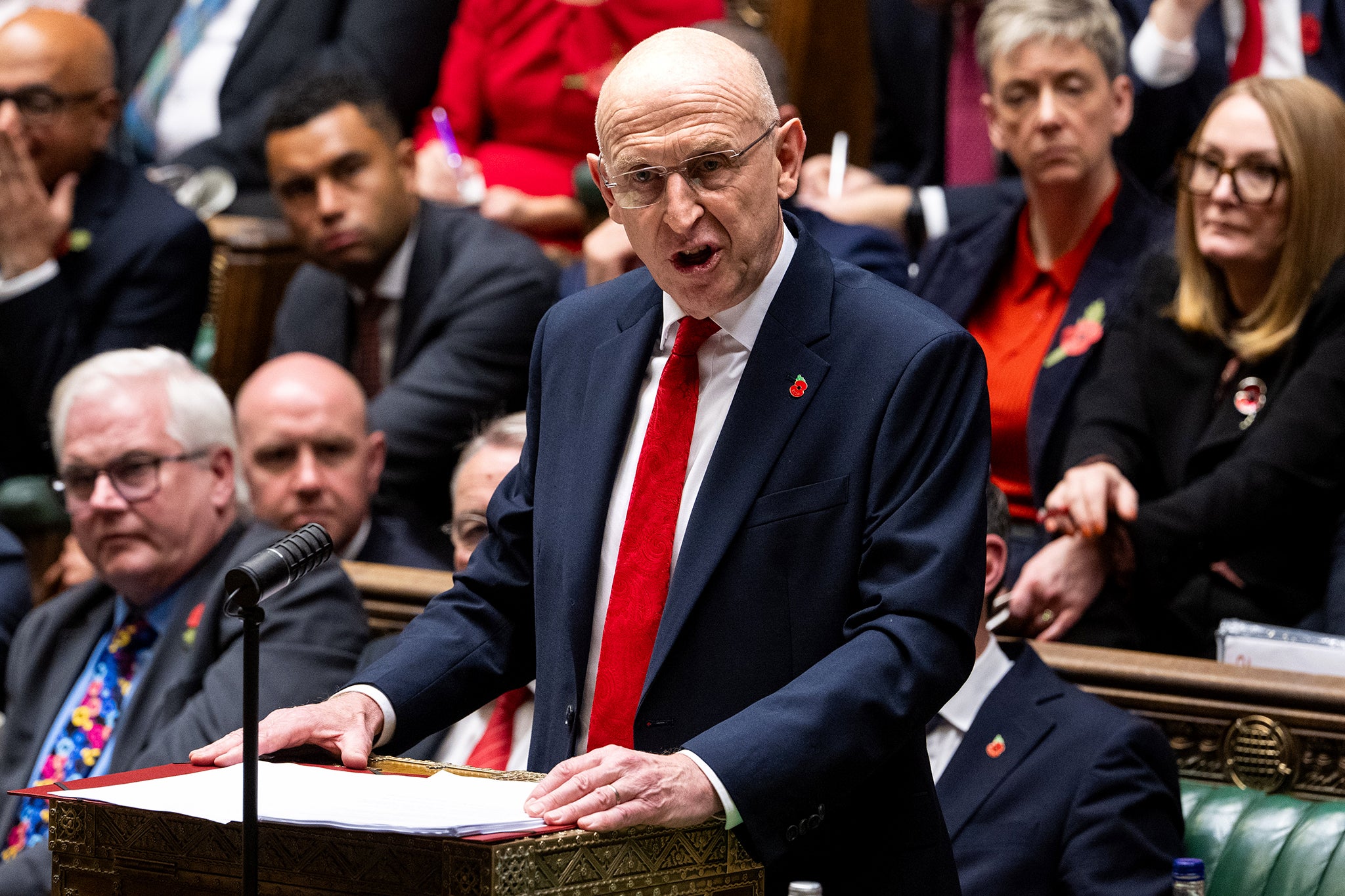
Delivering the Budget, chancellor John Healey said this would mean: “New powers to the people who know their areas best, not sentimentality but supply-side economics. The biggest wave of devolution in a generation, driving good growth in every postcode delivered to the British people by this Labour government.”
Central to the changes is the plan to give most mayoralties a share of income tax generated in their regions.
From April 2028, authorities with directly elected mayors will receive a uniform rate of local basic-rate income tax. Mayors will not set tax rates or bands, but will retain the revenue to fund local infrastructure, transport, and housing.
Each mayoral authority will initially receive a bespoke funding allocation. In the years after that, each authority will be “rewarded for growing” their local economies by being assigned an unconfirmed percentage of revenue from income tax.
The Treasury has said that it intends to introduce an equalisation adjustment to prevent regional inequality that may arise from the plans.
Every mayoral authority will also be given the power to implement a new ‘Overnight Visitor Levy’ – commonly called a tourist tax – by March 2028.
Commercial property taxes will also undergo structural reform. Starting in 2027, mayoral authorities will receive a direct 20 per cent share of retained business rates, alongside a 20 per cent share of local business rate growth.
At the same time, local councils will keep at least 70 per cent of their business rates revenues in a bid to boost ailing coffers.
By 2030, the government plans to allow regional and local tiers to retain 100 per cent of business rates, ending the historic 50 per cent split with the Treasury.
At the Budget, chancellor John Healey also revealed plans to give £285 million in funding to mayors and local leaders to invest in local projects in their areas.
He said that this will back projects like the Black Country Metro extension in the West Midlands and reopening of Doncaster Airport in South Yorkshire. London mayor Sadiq Khan has said that the capital’s allocation will go towards delivering the West London Orbital.
Under the current system, the UK shares around 5 per cent of its tax receipts with local regions directly, making it an international outlier. In Germany, Spain and the United States, around 30 to 35 per cent of tax revenue remains in local regions.
However, unlike in those countries, regional administrations in the UK still will not have the power to raise or lower local tax rates. These decisions will remain with central government, which will continue to set national tax policy.