Heavy rainfall fuelled by a supersized El Niño weather pattern briefly forced Argentinian authorities to close tourist access to the famed Iguazu Falls, amid fears that rapidly rising water levels would cause the river to burst its banks.
National park officials took the precautionary measure on Monday when the Iguazu River's flow exceeded 12,000 cubic metres per second – more than six times its average rate.
It later said the area would reopen to tourists on Tuesday, citing a "gradual decline" in the river's flow.
José María Hervás, the director of the Iguazu national park, said access was closed because "it just keeps raining" and the volume of water being released from dams upstream on the Iguazu River was not falling, reported the Buenos Aires Times.
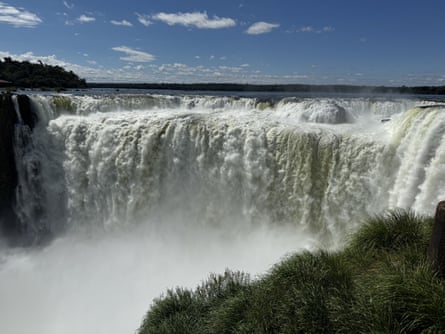
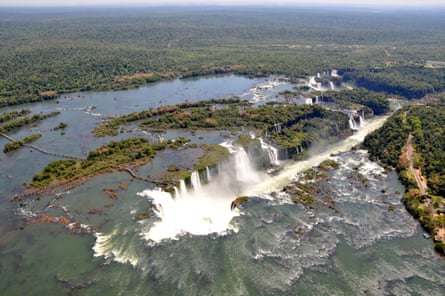
The Iguazu Falls, recognised by Unesco as one of the world's largest and most impressive waterfalls, sits on the border of Argenina and Brazil and spans approximately 2,700 metres.
In 2023 and 2024, Argentinian officials closed the park on its side of the border over flooding caused by a previous El Niño cycle.
Meteorologists say the 2026-2027 El Niño, which causes global changes in winds and rainfall as well as erratic weather conditions, is certain to be the biggest ever recorded. Scientists now also think human-caused global heating is making El Niño's more intense.
El Niño begins in the equatorial Pacific where changes in winds allow huge amounts of heat to escape the oceans and heat the atmosphere. It grows in the northern hemisphere autumn and peaks in December but has impacts well into the following year.
Last month, Argentina's coastal region experienced above-average rainfall "similar to that seen during strong El Niño events," the national meteorological service said.