Many of us have been making the most of the sunshine this summer by enjoying days out at the beach and soaking up the rays in our local parks. While we are often diligent about reapplying sunscreen throughout the day, it’s common to forget about our skin once the evening arrives.
Although it can be tempting to climb into bed after spending hours in the sun and call it a day, Dr Sweta Rai, Doctify-rated dermatologist, dermatological surgeon and cosmetic surgeon, has highlighted some simple steps to give your skin some extra TLC before drifting off to sleep.
Jump in the shower

“If you’ve been in contact with sea, sun and sand, all of these agents can irritate your skin and strip it of its essential oils and can impact your skin barrier, so the first thing to do is have a shower to wash off any of that external residue,” advises Rai.
Failing to do so could lead to irritant dermatitis.
“The salt from the sea water needs to be washed off because it’s an irritant to the skin, and you might have also been exposed to other chemicals and pollutants in the water,” says Rai.
“If you don’t wash it off you can get an irritant rash, such as an eczema-like reaction, or spots appearing on the skin.”
The dermatologist adds that going to sleep without washing off all your sunscreen can also clog your skin.
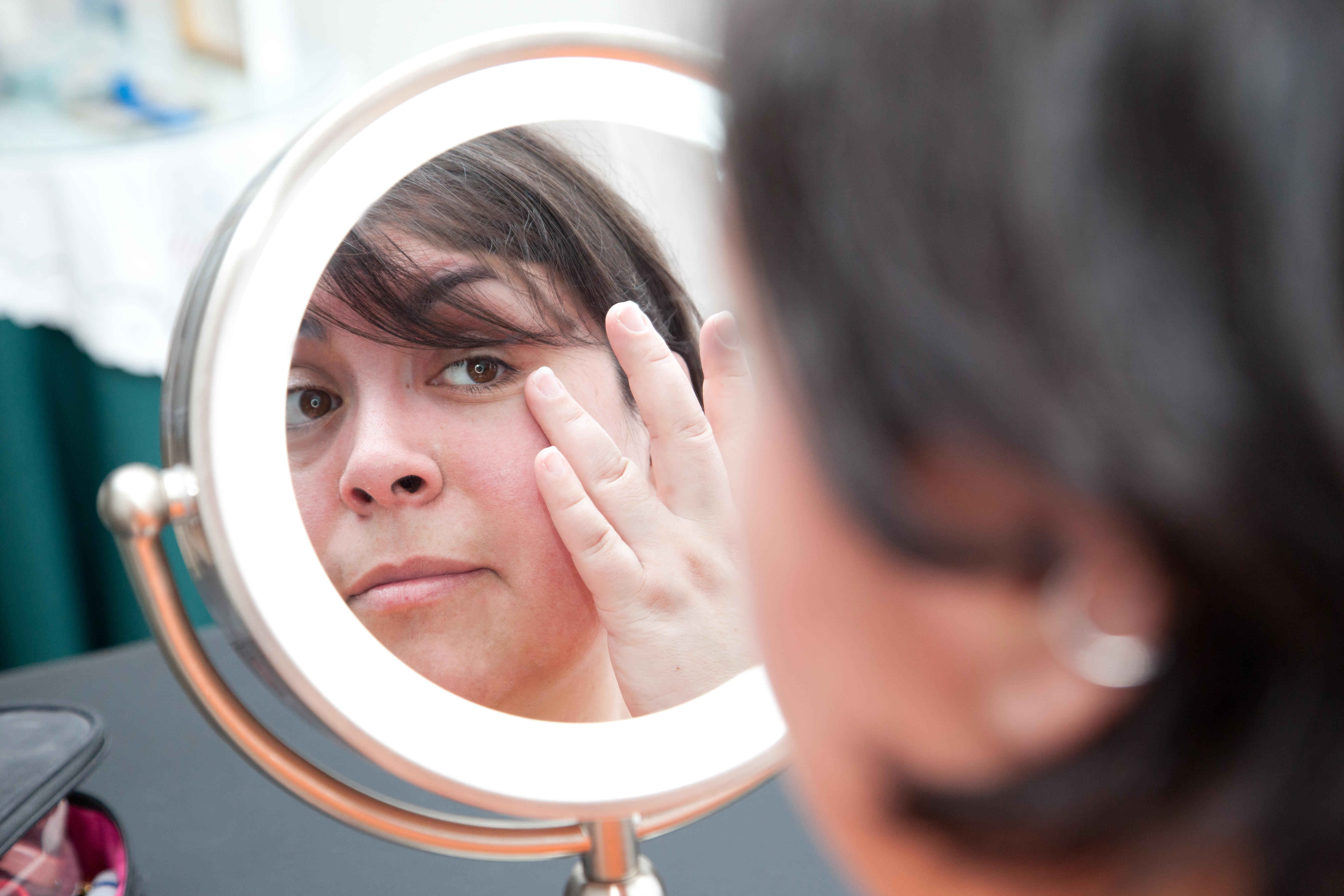
“If you still have sunscreen sitting on top of your skin overnight, that will clog your skin barrier, and can lead to little spots appearing,” says Rai.
She recommends setting the shower to a lukewarm temperature
“If the water is too hot it will strip your skin of its natural oils and moisture, and too cold may not be tolerable. So, lukewarm is probably the best to get any residue, pollutants and chemicals off your skin,” she explains.
Use a gentle shower oil
“You can get shower oils which are gentle and soothing to the skin. I recommend these to my patients because they are so gentle and hydrating, but don’t strip your skin of too much moisture,” says Rai.
Check for sunburn
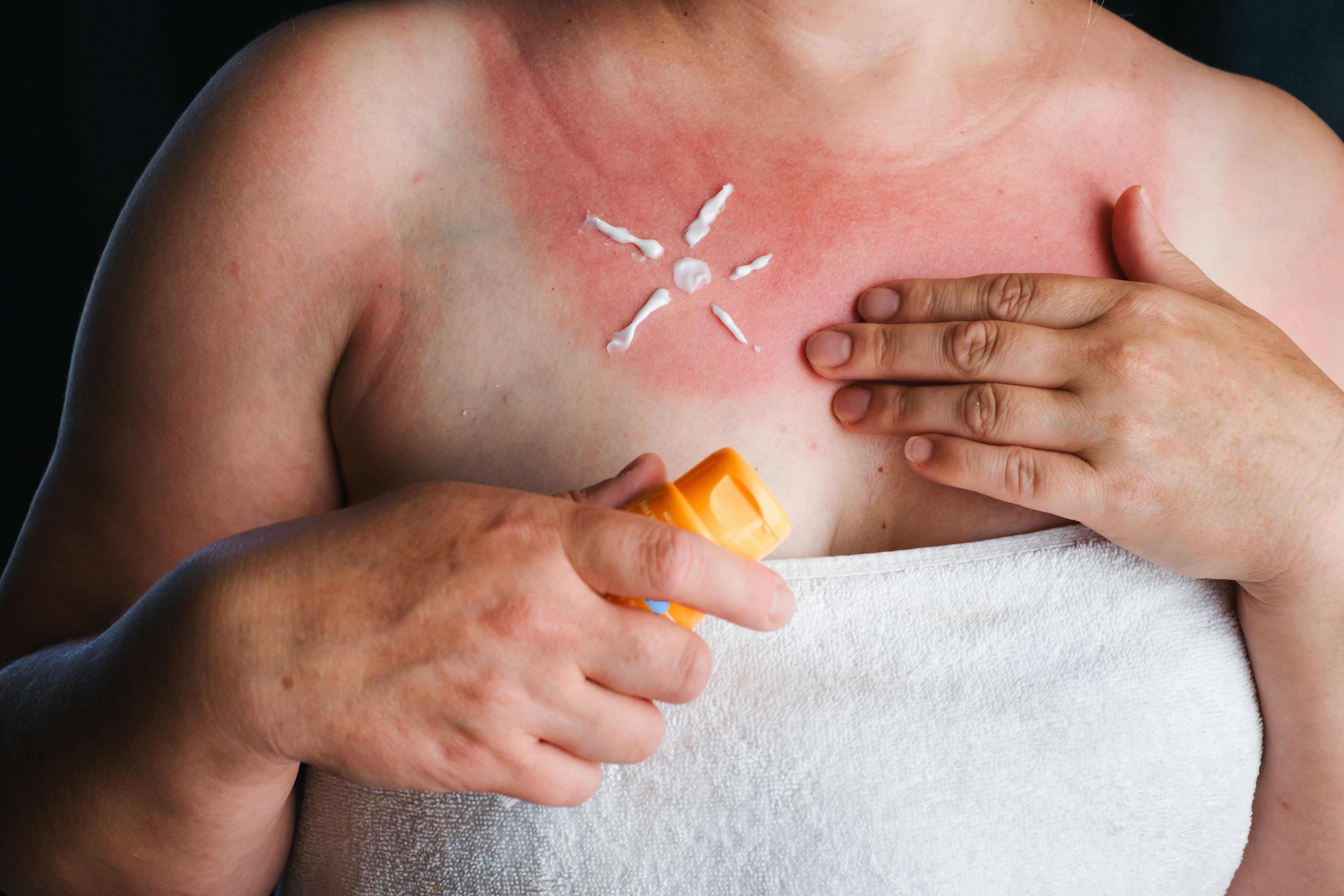
“If you’ve got mild sunburn, then using things like aftersun and staying out of the sun, and putting on lots and lots of cooling, soothing moisturisers are going to help you,” says Rai.
“However, if you’ve got moderate to severe sunburn, I would recommend that you go and see a dermatologist because you may need to have some treatment done for that. Particularly if you’ve got blistering sunburn or you’re getting crusting, because they can leave you with scars and pigmentation.”
Put moisturiser in the fridge
“Use a cooling moisturiser,” recommends Rai. “It doesn’t matter which moisturiser you use, just use something that is non-irritant and feels good to you.
“You can put some gel-based moisturisers in the fridge which feel very cool when you then put them onto your skin.
“Reapply this every three to four hours if you’re peeling after the sun to help your skin barrier get back to its normal level.”
Check your moles
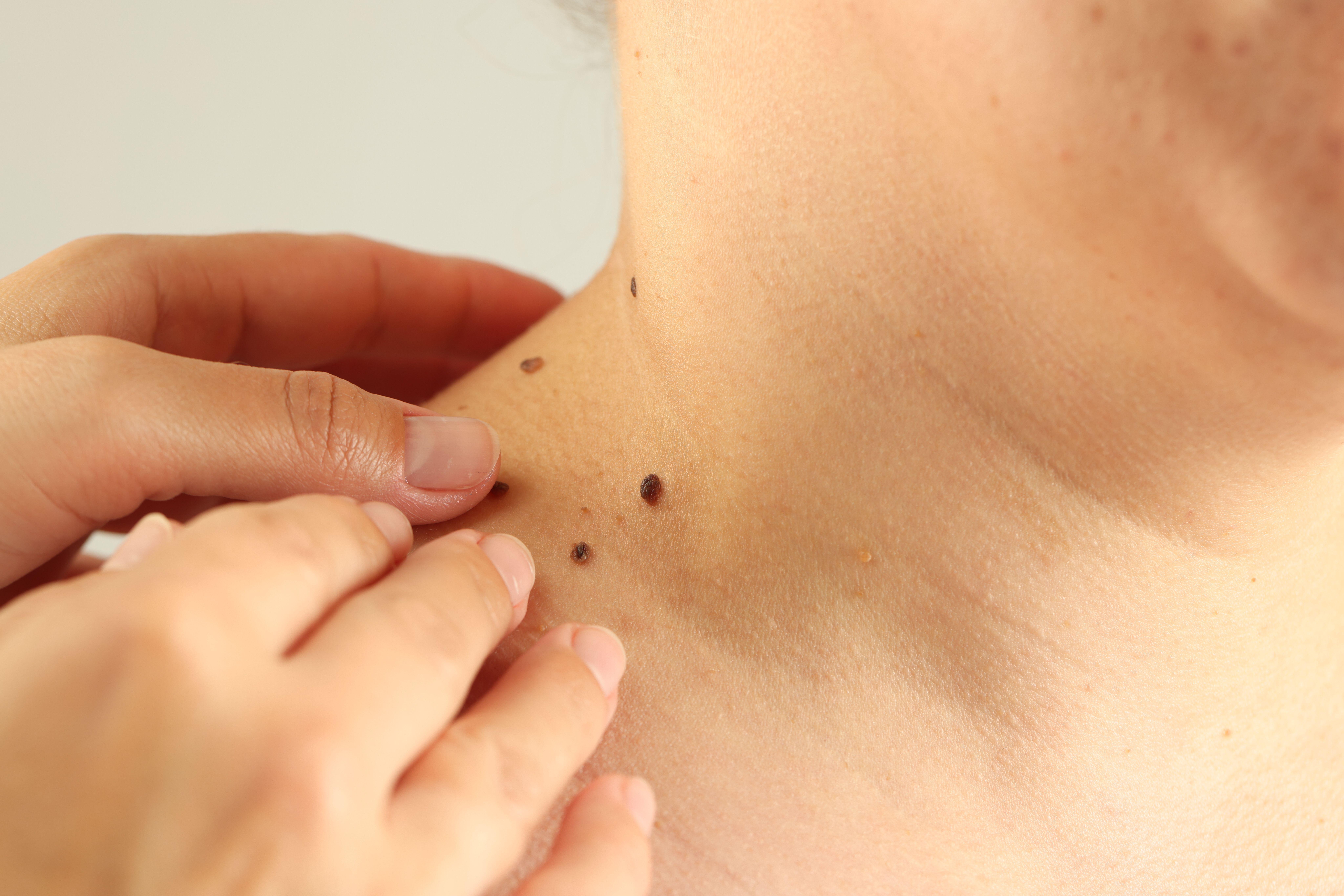
“After you’ve been in the sun your moles can look darker as your skin pigments and you may notice new moles or freckles appearing,” says Rai.
“If you don’t know what something is, if you’ve not seen it before or if a mole has changed, consult a dermatologist about this.”
Check for bites
“If you’ve been outdoors in the sun all day, you might come back with insect bites or bug bite reactions,” says Rai.
“If you notice that you’ve got several bites and they are yellow or oozing or painful, they might be infected. You need to get that checked out because you may need to get some antibiotics or treatment for that.”

“If you’ve been in the sun all day you have probably sweated out a lot of your electrolytes. In addition, if you’ve been in the sea water then you’ve been exposed to a different type of environment that may be dehydrating for your skin, so it’s important to hydrate well,” says the dermatologist.
“Drink lots of water plus things which contain some electrolytes if it’s been really hot and you have been sweating a lot. Coconut water, for example, is a really good natural product which contains electrolytes of sodium and potassium.”
Check for cold sores
“Certain infections such as the herpes simplex virus can reactivate with sunlight exposure, so check to see if any cold sores have appeared around your lips,” recommends Rai. “You can treat these with over-the-counter cold sore treatments or seek advice from your GP or a dermatologist.”
Avoid scrubbing the skin
“Avoid doing anything like scrubbing or anything abrasive on the skin if you’ve been on holiday and been in the sun,” advises the dermatologist.
“Also, if you’ve got spots appearing, then you shouldn’t scrub them because it can spread those spots and it can lead to pigmentation problems.”