Want to bookmark your favourite articles and stories to read or reference later? Start your Independent Membership today.
Join todayAlready a member? Log in
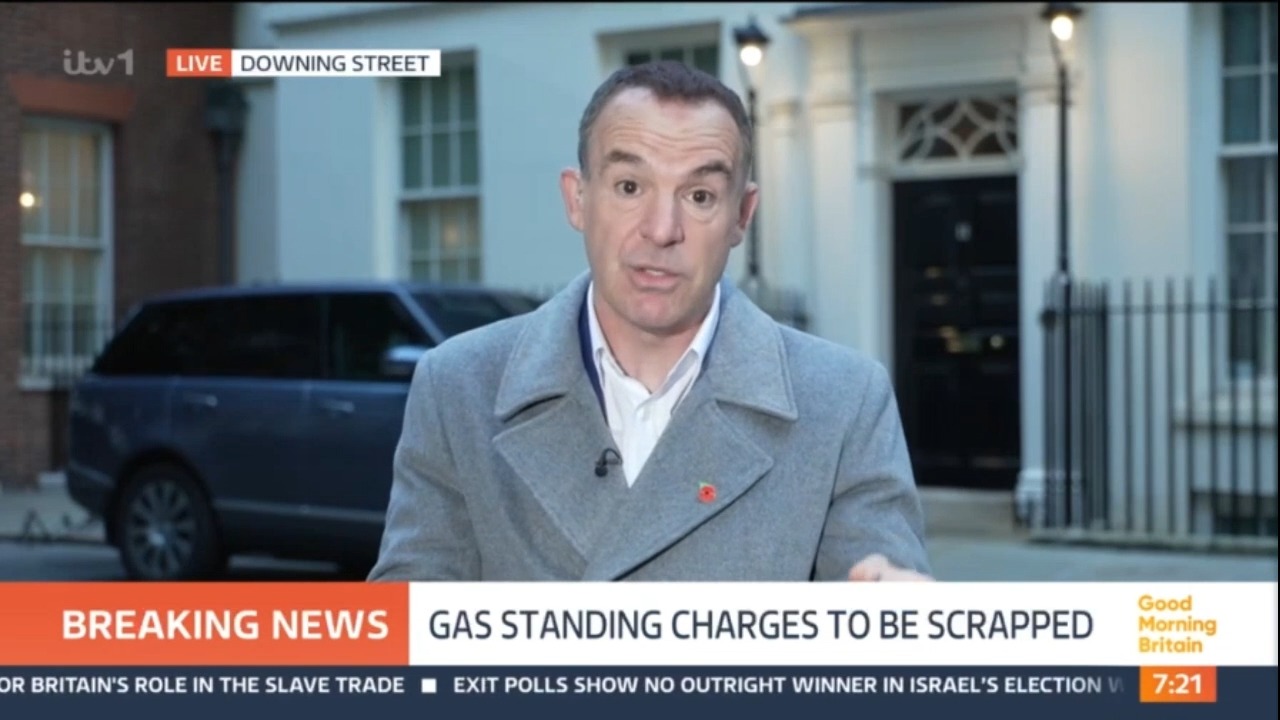
Martin Lewis has hailed the government’s plans to scrap the “poll tax on energy”, as the government announced it was abolishing standing charges on gas bills for millions of people.
Chancellor John Healey met with the money expert at No 11 on Wednesday morning as he prepares to unveil a series of cost of living measures in his first Budget today.
Standing charges on gas bills, which cover the cost of delivery to homes and businesses, will be scrapped from 2027 “or as soon as possible after”, the Treasury said on Wednesday morning. The move could reportedly save households between £22 and £50 per year.
But the chancellor is set to make the rest of the Budget a relatively modest affair, as he plans to put off major decisions on tax and spending until next year, reports suggest.
It comes after the chancellor announced he will add 2p to the price of a pint after unveiling cuts to the cost of supermarket staples including baked beans, gherkins and chocolate.
He also announced the removal of import tariffs on over 100 products, as Andy Burnham pledges to deliver “breathing space” for families and businesses in the first Budget under his leadership.
Burnham gets another pre-Budget poll boost
More in Common has become the third poll in a row to suggest that Labour could win a majority under Andy Burnham.
As chancellor John Healey prepares to deliver his first Budget, the poll puts Labour on 28 per cent comfortably above the Tories on 24 per cent and Reform stuck in third place on 23 per cent.
According to Electoral Calculus the findings of the poll taken between 23 and 26 October would give Labour a majority of 14 if they occurred in a general election.
The support for the Tories sees them return to the level they were at in the 2024 general election when they had their worst ever result.
They have been lagging behind that landmark low for most of Kemi Badenoch’s leadership.
The split on the right suggesting 5 per cent would support Rupert Lowe’s hard right Restore has hit support for Reform UK.
The Greens are at there election level on 7 per cent and Lib Dems on 11 per cent.
Pictured: PM leaves No 10 ready for the chancellor's first Budget
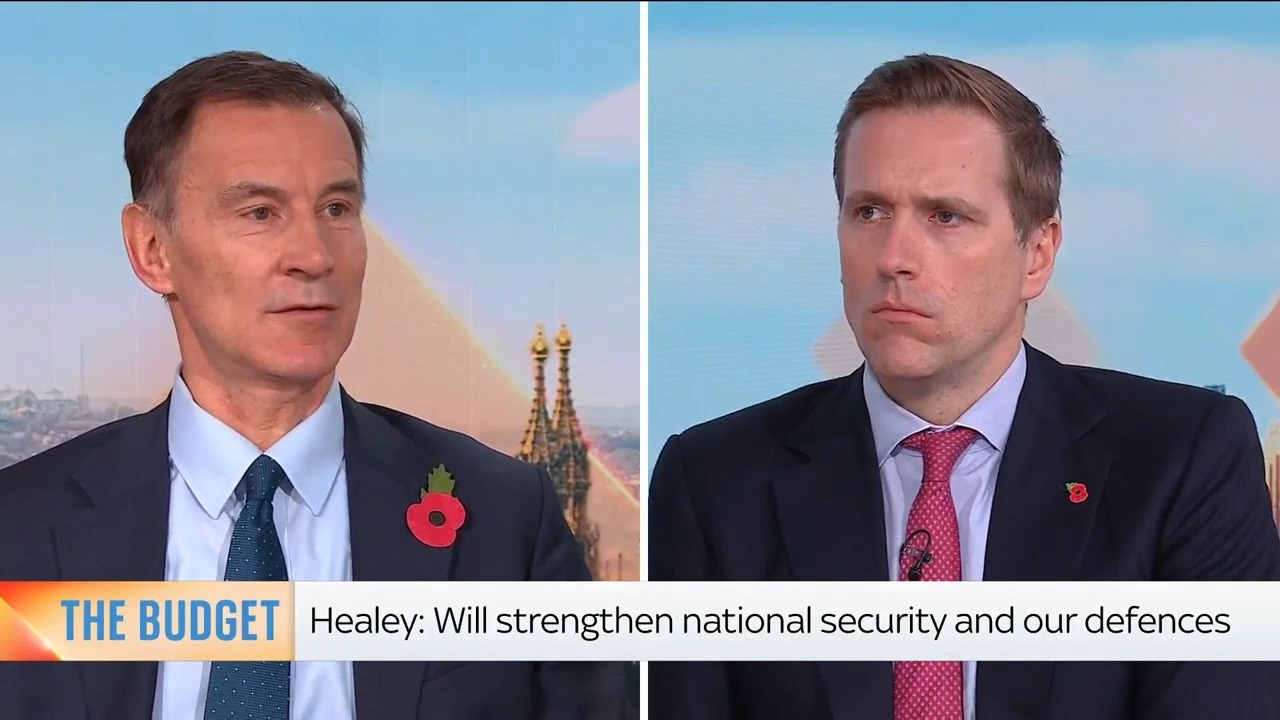
Watch: Raising taxes is a dangerous way to fund defence, says former chancellor Jeremy Hunt
Healey ‘to scrap planned cut on cash ISA allowance’ in Budget
John Healey looks set to reverse the planned cut to cash ISA deposits in a move that has been welcomed by industry experts.
Previous chancellor Rachel Reeves unveiled a raft of ISA reforms last year aimed at getting more people in Britain to invest, in a plan though worthy, has been labelled a “car crash” by one expert.
On Wednesday, new chancellor John Healey is expected to U-turn on that move, according to the scrapping that cut, which would have limited people under 65 to putting only £12,000 annually into Cash ISAs, instead of £20,000.
Most industry voices disagreed that the move would push people to invest more, while others said it would have actively hampered building societies who utilise those deposits to back domestic mortgages. The retail investing industry was also split on the move, given the added rules and cost it would add to their processes, even if they naturally agree more Britons should be investing.
What can we expect in the chancellor's first Budget?
John Healey is delivering his first Budget later today against the backdrop of a difficult domestic economic situation, made worse by the international market turmoil caused by the Iran war.
He will have limited scope for big giveaways due to the stretched public finances and significantly reduced headroom as a result of increased borrowing costs.
These are some of the announcements you can expect from the chancellor:
- Scrapping the carers’ allowance cliff edge
- Making a higher tax-free mileage allowance of 55p permanent
- Slashing tariffs on a range of popular foods including chocolate and gherkins
- Extending parental pay to more than 150,000 parents each year
- A rise in the minimum wage by nearly 4 per cent
- More than £600 million for various projects on the development and safe use of AI
- A £7 million fund for a feasibility study into a possible future bid to hold the Olympics and Paralympics in northern England
- An initial £285 million to give mayors and regional leaders in England more money and power to invest in projects in their areas
- More than £1 billion for social and affordable housing
- A further £432 million for the rough sleeping programme
Analysis: Big Budget or small Budget - what are we expecting?
It’s just over 100 days since Andy Burnham swept into No 10 with the promise to end “40 years of neoliberal politics and economics” in what our chief political commentator John Rentoul described as a “big, brave speech”.
So in the first Budget since taking the big job, you’d be forgiven for expecting some revolutionary announcements steeped against the private sector.Maybe not.
Chancellor John Healey’s framing of today’s Budget as a “breathing space” package aimed at easing cost-of-living challenges, with a spread of modest give-aways dropped so far, doesn’t quite live up to Mr Burnham’s vision.
Meanwhile, welfare and the setting of fiscal terms appear absent in reports on what will be announced today.
Speaking on the podcast Political Currency, former Tory chancellor George Osborne said: “[If it is a choice to] play it long , get ourselves established, it’s an interesting decision because normally the rule of politics is when you are new, when you have your first Budget, do your big things because your political capital starts to evaporate.”
Watch: Martin Lewis says he expects energy price cap to go up 27% in January 2027
Reaction to Healey's 'Cash ISA U-turn'
Daniel Hough, Director, Wealth Manager at RBC Brewin Dolphin: “It is interesting to see reporting that the Government is considering reversing the changes to the annual cash ISA allowance, which is currently set to reduce from £20,000 to £12,000 for those aged under 65 from April next year. Our recent research found that less than a quarter of people were both aware of, and able to correctly identify these incoming ISA changes. This change was one of more than 130 changes to personal finance rules announced in Budgets over the last 10 years, and savers will be watching the Chancellor’s announcement closely this afternoon for any further amends to the ISA rules.”
Maike Currie, VP Personal Finance at PensionBee: “Scrapping the planned cut to the Cash ISA allowance would be a welcome U-turn. Saving was never the problem; the challenge is giving people the confidence to take the next step into investing.“We warned at the time that restricting Cash ISAs risked penalising the very people who need the most help building long-term wealth, women in particular. You don’t persuade people to eat more meat by rationing their vegetables."
Analysis: Questions remain over Healey's ISA U-turn
Reports suggest the unpopular - and very likely ineffective - Cash ISA cut is about to be reversed.
Rachel Reeves signalled Labour's push to get people investing when she was chancellor, a much-needed initiative, but the chosen methodology to try and make it happen was questionable at best.
So, it appears John Healey will make a dramatic U-turn on the plan to cut the Cash ISA limit from £20,000 to £12,000 - but questions still remain.
Presumably, the most hideous aspect of the plan, interest on cash in Stocks and Shares ISA, must now also be scrapped - it should have been anyway, even if the Cash ISA limit wasn't reversed.
But this is a really positive move for building societies too: they utilise Cash ISA deposits to back mortgages, while banks will likely applaud the potential for more cash to remain with them too, as they face a potential additional tax on profits.
Importantly, Healey is still expected to extoll the virtues of educating people about investing, but the attempts to nudge people towards stocks and shares will take a different form now.
Over the longer term, investing can generate higher returns than cash saving alone - and inside a Stocks and Shares ISA, all gains are tax free.
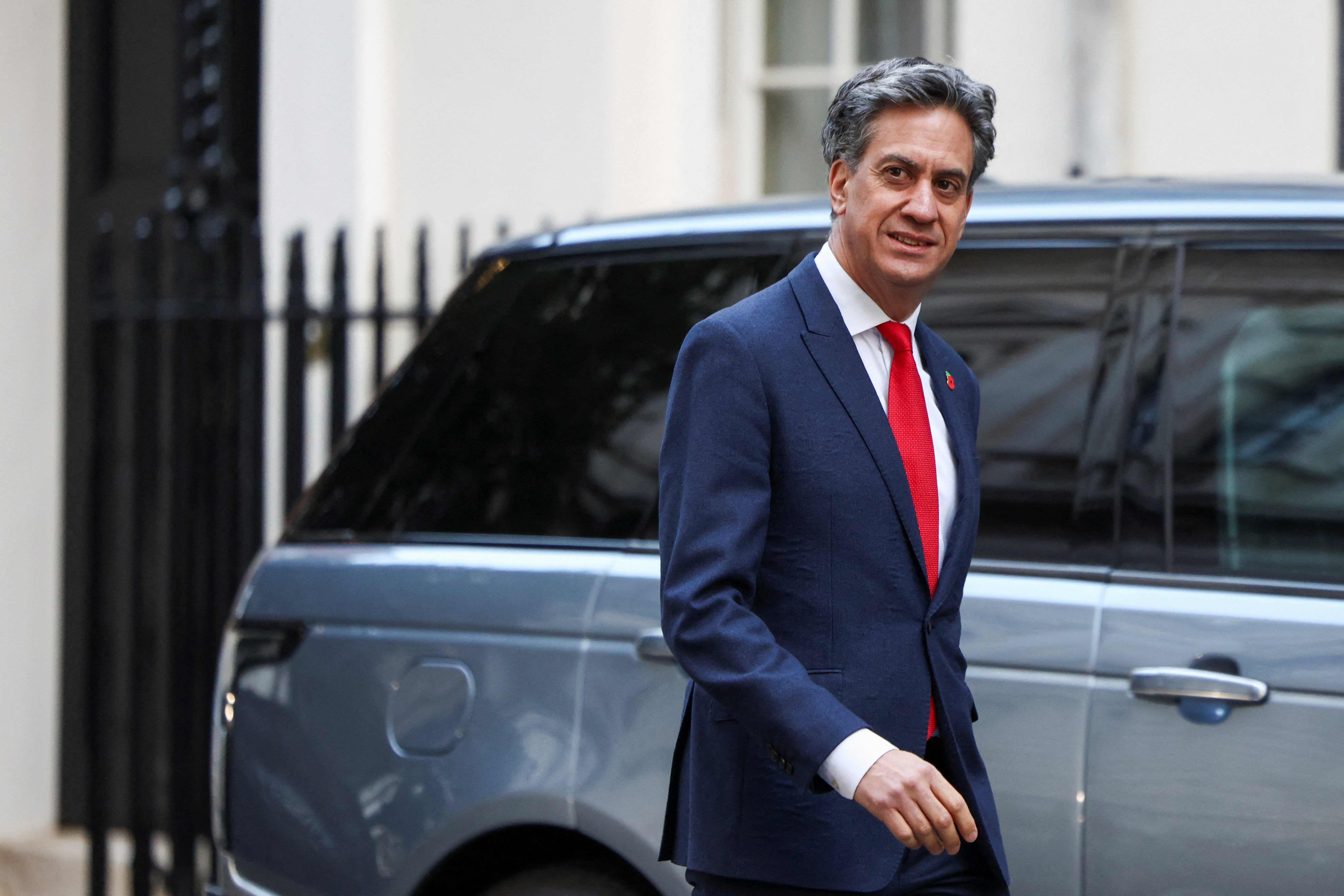
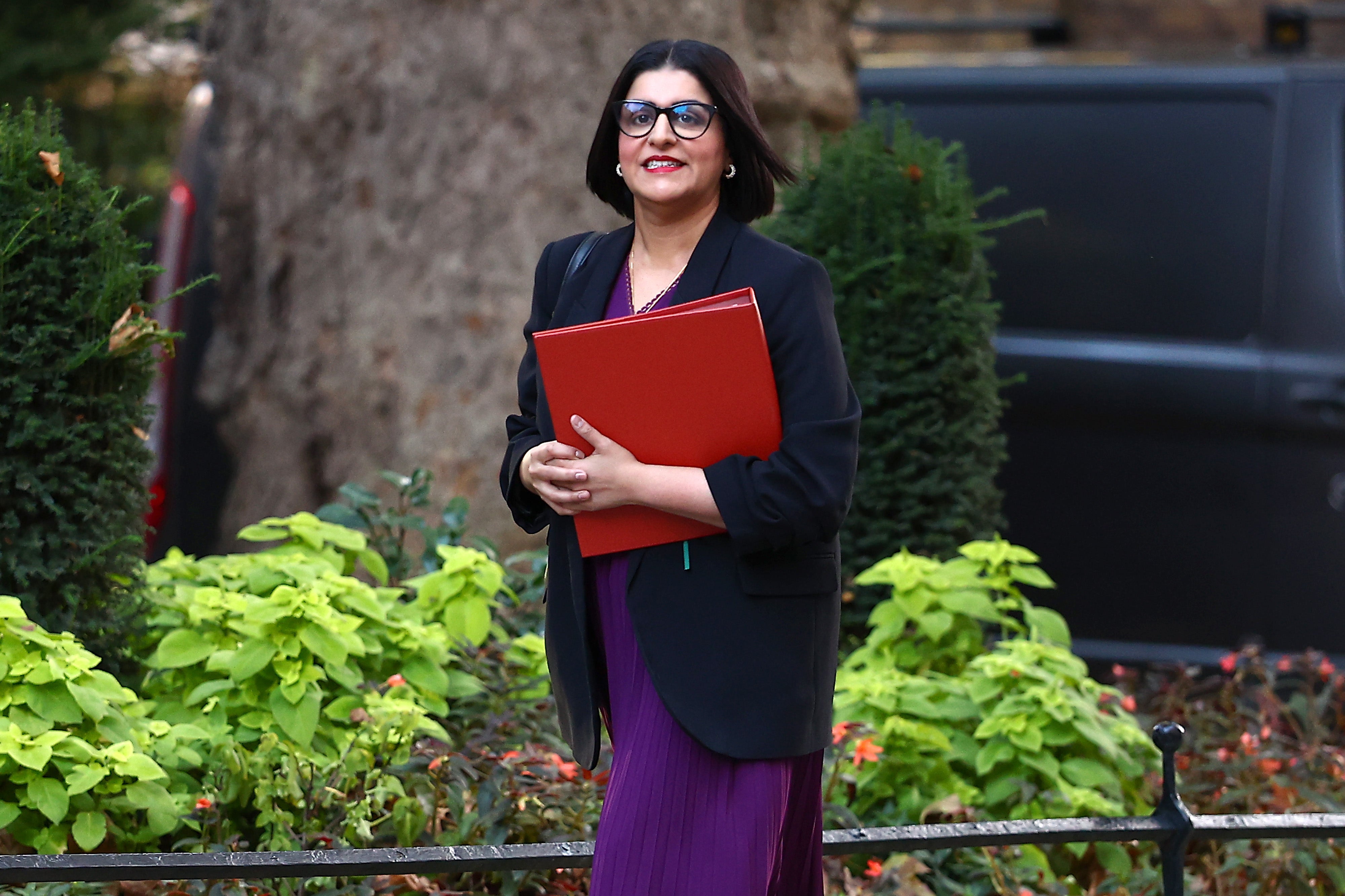
Pictured: Ed Miliband and Shabana Mahmood arrive for pre-Budget Cabinet