Channel 4's The Great ADHD Myth? backlash grows as charity urges viewers to complain
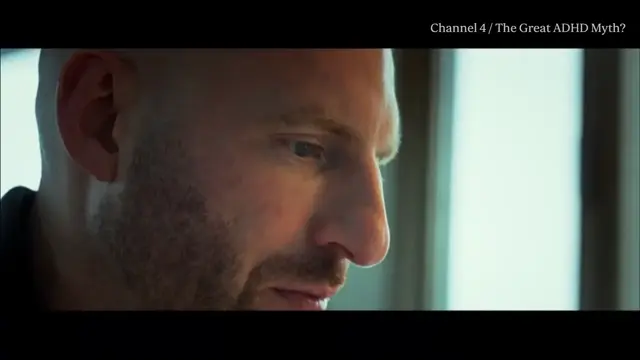
On Tuesday evening, Channel 4 aired a documentary titled The Great ADHD Myth?, hosted by psychiatrist and Trust Me, I’m a (Junior) Doctor author Max Pemberton.
The episode opened with videos of social media users talking about the condition, with Pemberton reading lists of celebrities who have ADHD.
Pemberton then argues: “But the current understanding of ADHD – that it’s a neurodevelopmental disorder, meaning that people’s brains are wired differently – is not supported by the evidence, according to some of the most respected experts in the field.”

Throughout the one-off documentary, the experts featured argue that ADHD is ”certainly not a medical condition” and that there is no difference that ”ADHD brains” and ”normal” brains differ. “If you want the diagnosis, you will be able to get it,” one argues.
In a review for The Guardian, critic Lucy Mangan said that The Great ADHD Myth? will “incense and offend some of its viewers, and its scepticism regarding ADHD is clear from the outset”.
Following the episode airing, charity ADHD UK – which had previously released an open letter to Channel 4 questioning the documentary’s content and arguing that the question mark in the title was “not a get-out-of-harm-free card” – put out a damning letter of response.
“We watched. We said we’d be fair,” the charity wrote. “Here is our verdict. ADHD is not a myth. It is not a social construct… We have already complained to Ofcom. A fuller submission follows, built on the impact data you give us below.”
ADHD UK then encouraged its supporters to file a complaint to Ofcom, writing: “We deserve better than this.”

The Standard has contacted Channel 4 for comment.
The NHS describes ADHD as “a condition where the brain works differently to most people”, and can lead to high energy levels or problems with concentration.
First announced last month, Is ADHD a Myth? challenges these definitions, with the documentary’s description reading: “Is [ADHD] really a neurodevelopmental disorder? Has modern life contributed to rising diagnoses? And for kids, is medicating the answer?”
ADHD UK’s chief executive Henry Shelford told The Mirror that the programme was “sensationalist nonsense”, adding: “I wish Channel 4 had done what they did for the menopause with Davina McCall, or for dyslexia with Jamie Oliver.”