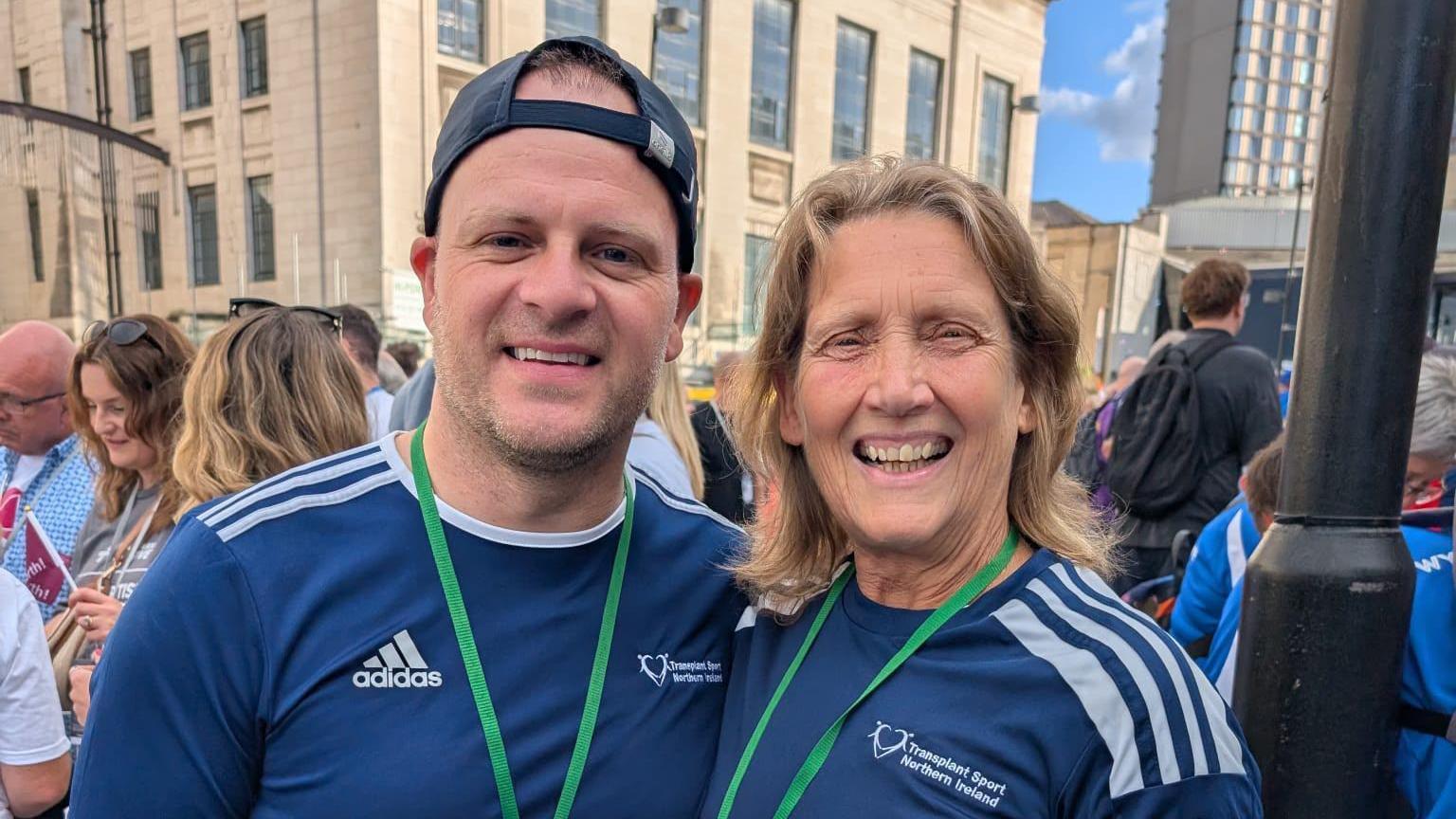
A man who was diagnosed with a rare bone marrow cancer is among 26 athletes representing Northern Ireland at this year's British Transplant Games in Sheffield.
Team NI includes 20 transplant recipients and six living kidney donors competing across a range of sports.
Richie Sheerin from Londonderry said hearing the news that he had bone marrow cancer in 2018 was "like the lights being turned off".
He underwent multiple stem cell transplants and says cycling became like his "mental medicine" during a difficult time.
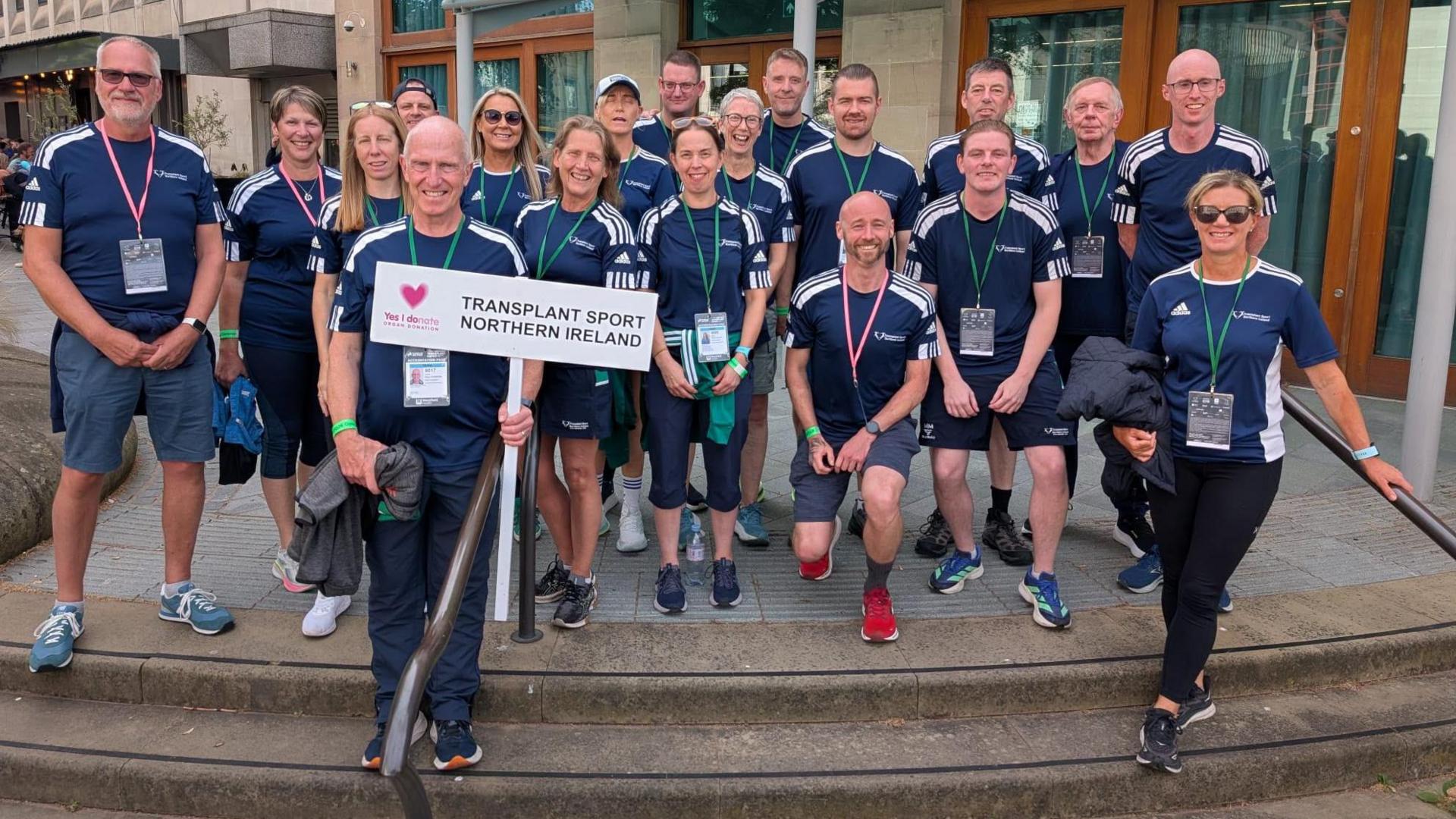
The games are taking place from 6-9 August in Sheffield, featuring 26 high-exertion, low-impact sports alongside a programme of social and cultural events.
Celebrating more than 45 years, the games are described as a "celebration of life" with the aim of raising awareness of organ donation, encouraging people to register as donors, and supporting transplant recipients in improving their health.
Team Manager of Sport Northern Ireland, Kathryn Glover, said she was incredibly proud of all 26 athletes representing Northern Ireland at this years' games.
"The resilience, determination and camaraderie of the team captures the true spirit of the games.
"Each athlete has been through their own courageous transplant journey and without our selfless generous donors, no-one would be on the start line."
For athletes like Sheerin and Hack, the event is not only about competition but also about demonstrating what is possible after receiving transplants.
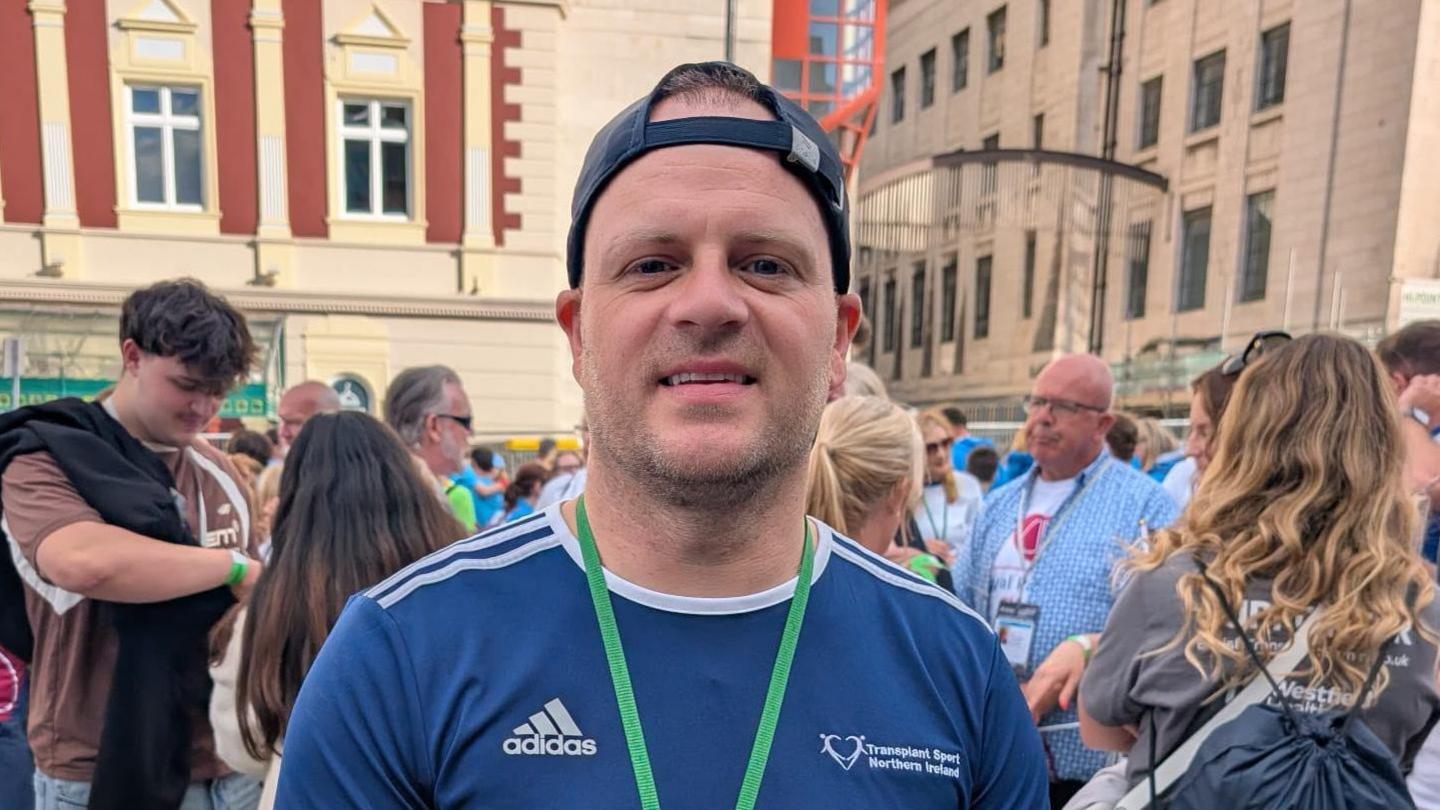
Richie Sheerin was diagnosed with a rare bone marrow cancer when he was just 35 and said it was "overwhelming".
"It was just like the lights being turned off. It just went dark for a bit until you gather your thoughts and think rationally about how you're going to try and overcome these things."
Sheerin said cycling became a vital part of his recovery, both physically and mentally, describing it as his "mental medicine".
"Any time I'm on the bike, it gives me an escape away from having to think about potential reoccurrence or illness. It just gets your mind away from it."
Sheerin received a stem cell transplant from his brother, who he says has been a huge source of support throughout his recovery.
He said having the backing of family and friends is invaluable for anyone facing a serious illness and credited his close support network with helping him through the toughest times.
"My brother was my donor, and the rest of my family, as well as my wife Lisa back home and my son Aidan, have always been there supporting me. It's been incredible."
At this year's Transplant Games, Sheerin is competing in the cycling events like the time trial and the road race.
'Your illness doesn't define you'
Also representing Northern Ireland is Coleraine's Kay Hack, who has previously won gold and silver medals at the games.
After receiving a stem cell transplant in 2019 for acute myeloid leukaemia she returned to the sports she loved and said serious illness "doesn't define you" or have to end a person's sporting ambitions.
Hack said receiving a transplant had changed her life, and that one of the key factors in her recovery was discovering transplant sport.
At this year's Transplant Games she'll compete in the cycling time trial and road race, take part in the Donor Run, swim the 200 metres and, for the first time, try her hand at shot put.
Hack, who competed as a triathlete before her illness, said she was drawing on years of experience but admitted returning to competition after a transplant had brought new challenges.
"It is harder after you've come back from illness because you've really got to look after your body a lot more and be very conscious of not overdoing training," she said.
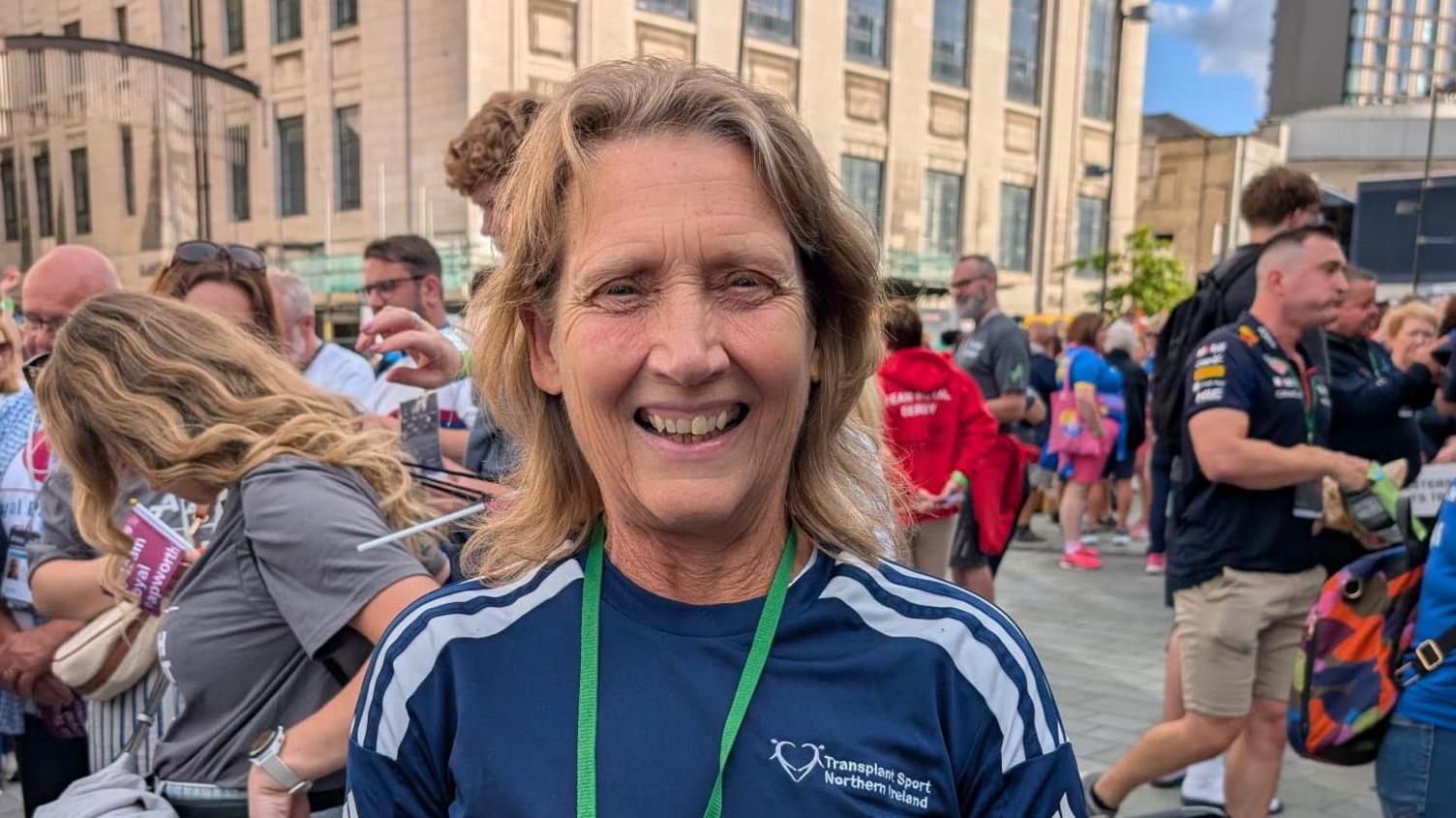
She said that although she is now more than five years post transplant, her immune system remains weaker than it was before, meaning she has to be careful not to put her body under too much stress.
Over time, however, she has learned both mentally and physically what her body is capable of and how to train safely.
Her focus at the games, she said, is simply to give her best performance.
"I just want to make sure I make the best effort and perform to the best of my abilities."
Hack believes the games send a powerful message that serious illness does not have to define someone's future.
She said the games show that there is life after serious illness, with both the physical activity and the sense of community playing an important role in people's recovery and wellbeing.
Having taken part in the opening ceremony alongside hundreds of transplant recipients, she said it was a reminder of the generosity of donors and their families.
"Hopefully seeing people taking part in the games will prompt everyone to have that conversation with their family... so that your loved ones know what your wishes are."