
The "most important item" ever to be sold at an auction house is about to go under the hammer after being found under a bed, an auctioneer has said
A newly discovered head of a thylacine, also known as a Tasmanian Tiger, was dug out from the owner's storage after they saw a similar specimen make the news in August.
Nicknamed Trevor, the new specimen is "only the third known taxidermy Thylacine head in existence" and could sell for up to £50,000, according to Bristol auction house Auctioneum.
Auctioneer Andrew Stowe said: "Hands down, it's the most important item we've ever sold. When I unwrapped it, I couldn't believe it."
More from Bristol
The thylacine head is due to go under the hammer in Bath on 26 November, with an estimate of £30,000 to £50,000.
The thylacine was a wolf-like carnivorous marsupial, about the size of a large dog, which once roamed the forests of Australia, New Guinea and Tasmania. Hunted to extinction, the last known Tasmanian tiger died in Hobart zoo in 1936.
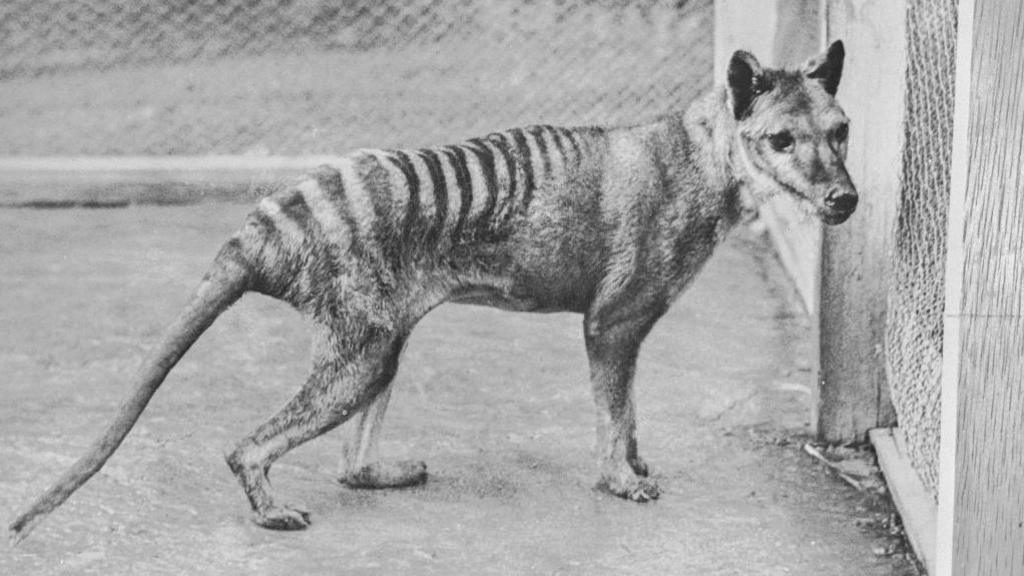
In the summer, a Victorian taxidermy head, mistakenly thought to be a fox head, sold for tens of thousands after eagle-eyed bidders recognised it as the head of an extinct thylacine.
Stowe said the find made international news.
"We thought it was a once-in-a-lifetime moment. To have unearthed another is extraordinary," he said.
"Scientists, academics, and collectors dedicate their lives to finding these rare specimens - to have two pass through our hands in a matter of weeks is nothing short of phenomenal."

It is thought the specimen was shot by a farmer in Sheffield, Tasmania, at the beginning of the 1900s and brought to the UK in 1905.
"Uncovering two-thirds of all known thylacine heads is extraordinary,' said Stowe.
"We've sold some incredible pieces over the years, but this goes way beyond another rare item."
The specimen has officially been added to the International Thylacine Specimen Database (ITSD).
Dr Stephen Sleightholme, from the ITSD, said these remains "provide an essential record of a species lost to extinction".
"Thylacine remains are exceptionally rare and rank among the most valuable zoological specimens," he said.
"The [database] is helping to establish a clearer picture of what survives and supporting the ongoing study of this remarkable marsupial predator."
Get in touch
Follow BBC Bristol on Facebook, X and Instagram. Send your story ideas to us on email or via WhatsApp on 0800 313 4630.