
Want to bookmark your favourite articles and stories to read or reference later? Start your Independent Membership today.
Join todayAlready a member? Log in
Dog owners ought to begin desensitising their pets to firework noises ahead of Bonfire Night, a charity has recommended.
To help owners gradually introduce their animals to these sounds, Guide Dogs has released The National Fireworks Archive, a free training video made from public footage.
The tool was created after the organisation discovered that the average UK adult keeps seven minutes of firework clips on their mobile phone.
According to research by Guide Dogs, firework anxiety impacts nearly two thirds (63 per cent) of dogs across the UK, equating to an estimated 9.9 million animals.
Yet, 79 per cent of owners state they do nothing to prepare for Bonfire Night, with 35 per cent admitting they did not realise dogs could be desensitised to fireworks.
The charity plans to enlarge the archive using a wider array of videos filmed at different distances and settings, capturing the crackles and whistles of screechers and Catherine wheels alongside the sharp bangs of rockets and major displays.
Those who are able to contribute to the archive can email videos to press@guidedogs.org.uk.
Haley Andrews, a Guide Dogs expert, said: “Fireworks night is just round the corner but there’s still time to start desensitising beloved pets now.
“It’s straightforward, relatively easy to do and can help avoid the heartache, expense and disruption so many dog owners experience in the weeks running up to and even after Bonfire Night on November 5.
“By introducing the sounds gradually, at a level their dog can cope with, owners can give their pet, and their household, the best possible chance of having a calmer Bonfire Night.”
Guide Dogs recommended that owners start early with desensitisation, beginning at the lowest volume and keeping sessions short at about two to five minutes, once or twice a day to begin with.
The volume can be increased only when the dog remains relaxed, and different sounds should be introduced carefully.
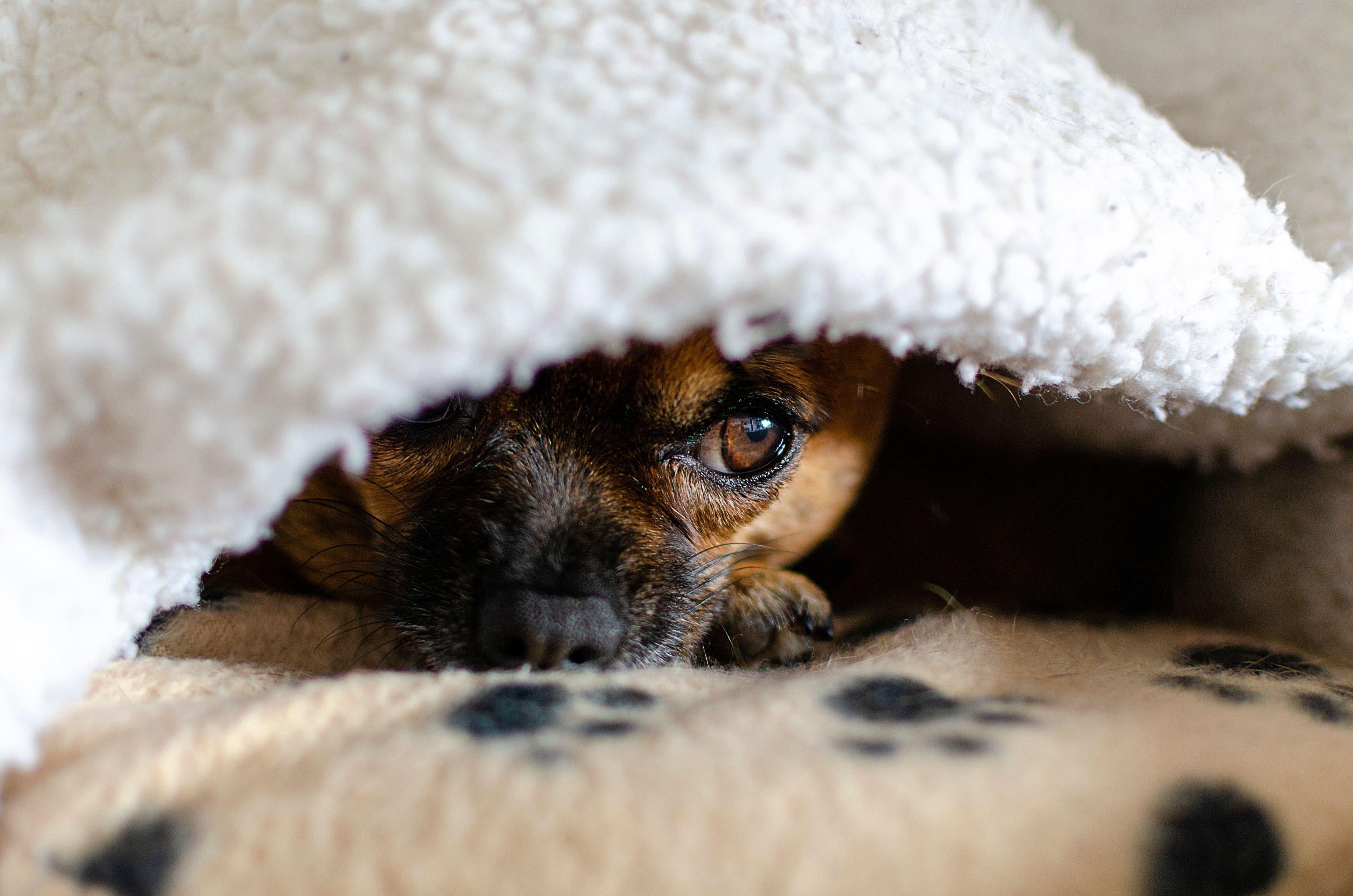
Households should create a quiet, cosy den with blankets, toys and familiar scents, with treats hidden inside throughout the day so the dog learns to associate it with feeling safe.
On the night itself, owners should take their dog out for a final toilet break before dark, close the curtains, turn on the TV or radio, prepare a food item and let the dog choose where to settle.