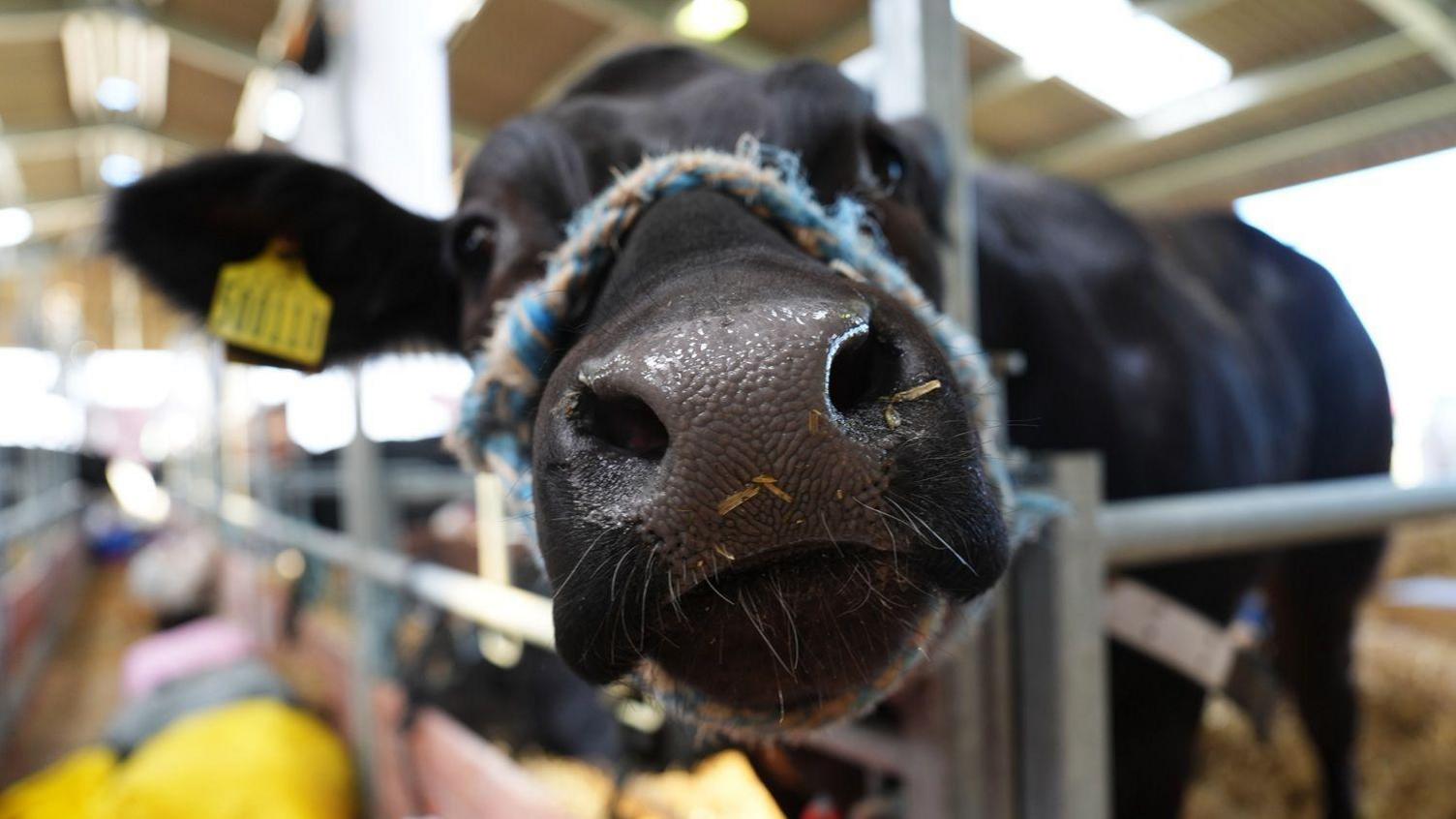
An agricultural show will not feature any cattle, sheep or goats this year as cases of the potentially deadly bluetongue rise.
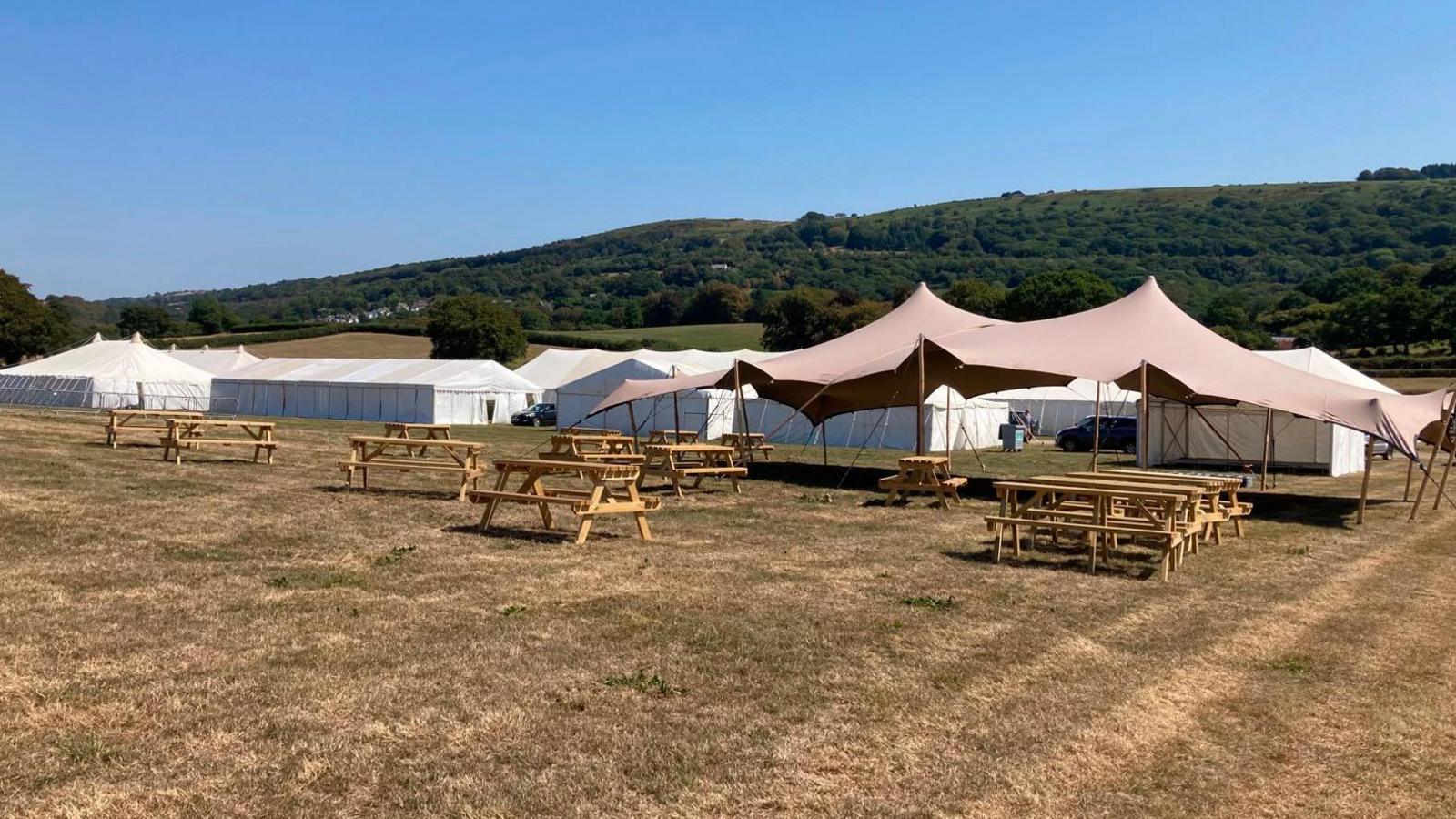
Okehampton Show's organisers said they were sad that farm animals, which were at the heart of last year's show, were not appearing at the event on Thursday.
The latest Department for Environment, Food and Rural Affairs (Defra) figures showed there were cases at 202 premises in Devon, and at 77 premises in Cornwall.
Organiser Selina Barrow said cases were increasing exponentially, adding: "It's been a really difficult time for local farmers."
Some 353 cases of bluetongue serotype 3 (BTV3) have been recorded in the UK in the 2026/27 season - most of them in the south-west of England.
The virus is spread by insects and is generally found in cattle, sheep and goats. It does not affect people or food safety but it causes a high rate of death in infected sheep and fertility problems in infected cattle.
Barrow said the team had been working closely with vets ahead of the show.
"We've worked through lots of different scenarios as to ways that we could keep the cattle and sheep and goat sections going, such as only bringing vaccinated sheep or putting on a really reduced, very local show.
"But, we thought because the situation is ever-changing and the volume of cases was just increasing exponentially, that the best thing for us to do for this year was to withdraw our cattle sheep in eight sections."
"We felt because we have a big cattle and sheep section, that bringing people in from quite far out of area, just wouldn't have been the best thing for us to do while it's still a new and emerging situation, and we're still learning all about it," she added.
Organisers of the Launceston Agricultural Show took the same decision in July regarding cattle and sheep.
Follow BBC Devon on X, Facebook and Instagram. Send your story ideas to spotlight@bbc.co.uk.