A farming union has called on the Scottish government to provide support for livestock farmers affected by restrictions aimed at stopping the spread of the bluetongue virus.
A temporary control zone (TCZ) limiting movement covers much of Dumfries and Galloway and parts of Ayrshire.
NFU Scotland president Andrew Connon said farmers in the area were being asked to carry a "significant burden" to protect the country's wider livestock industry.
Agriculture Minister Jim Fairlie said he understood it was a "concerning time" for farmers - particularly in the control zone - and the Scottish government would consider the points raised.
The potentially-deadly bluetongue virus was recorded in livestock in Scotland for the first time earlier this month in Creetown.
Fiona Johnson - whose farm was affected - told the BBC she "felt awful" after the case was confirmed.
Experts believe that midges infected with the disease were blown over the border from England, where there are many more cases.
The most recent figures show bluetongue serotype 3 (BTV-3) has infected 59 cattle and 11 sheep at 10 farms in Scotland since the first case on 8 August.
They are located around Newton Stewart, Lockerbie, Castle Douglas, Kirkcudbright and Dalbeattie.
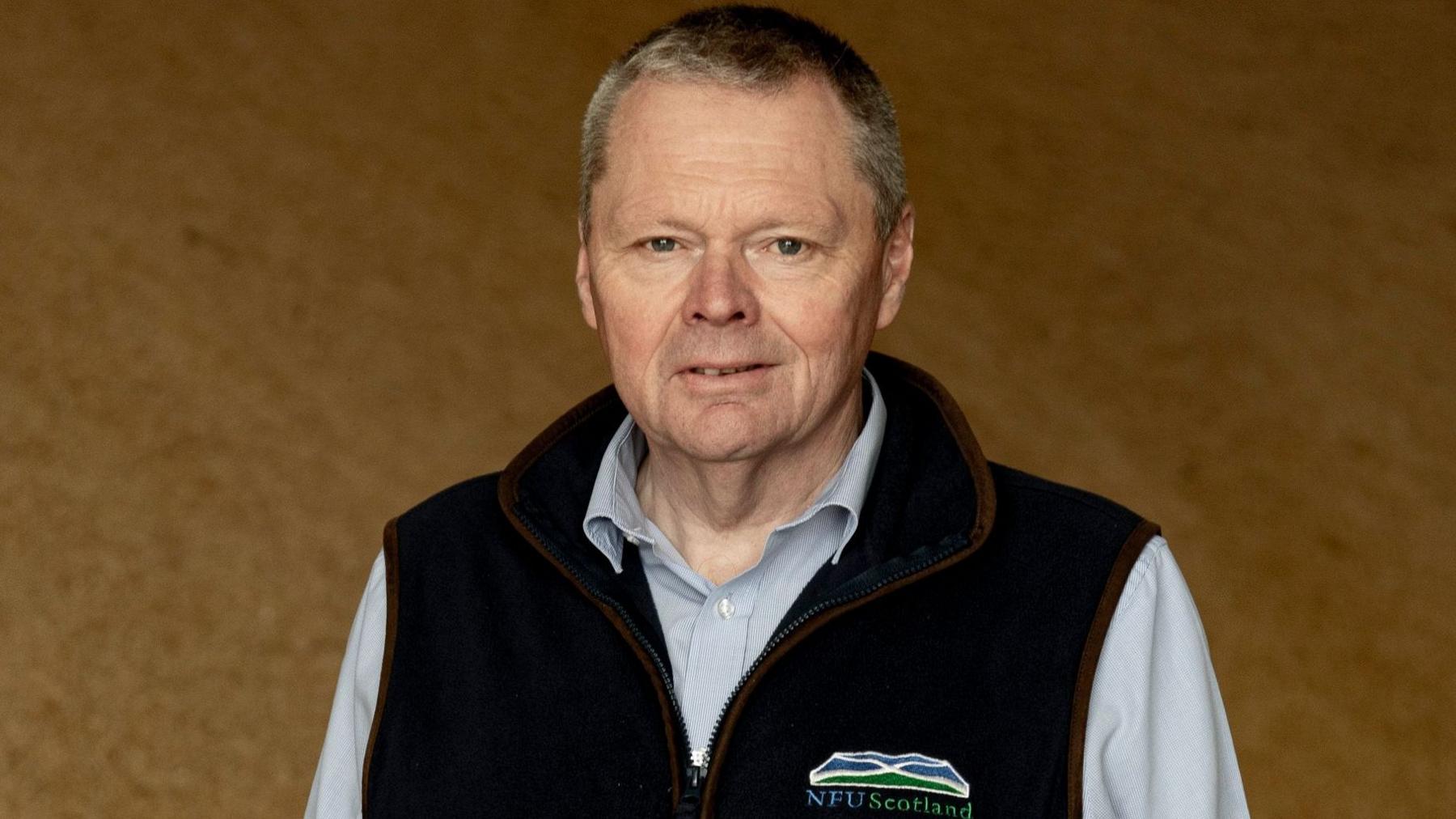
Connon called on the Scottish government to fund the cost of testing animals required to move out of the TCZ, secure a sufficient supply of vaccine and help fund vaccination within the zone.
He said: "Farmers in Dumfries and Galloway and Ayrshire understand why action is being taken and the importance of protecting Scotland's livestock industry from bluetongue.
"But those caught within the TCZ are now being asked to shoulder a significant burden on behalf of the wider industry.
"They cannot be expected to carry that alone."
Get in touch
What stories would you like BBC News to cover from the south of Scotland?
He said the timing was "particularly difficult".
"We are approaching a critical period for store and breeding sales, when large numbers of cattle, calves, lambs and breeding sheep would normally be moving," he said.
"Restrictions on those movements could have serious consequences for farm businesses and, if they continue for any length of time, animal welfare.
"Our immediate priority must be getting vaccination into the right places and establishing practical arrangements that allow essential livestock movements to take place safely.
"Government support with testing and vaccination costs is essential."

Fairlie said the Scottish government's aim from the outset had been to put in place "proportionate measures" to control the spread of bluetongue while minimising the impact on business "as much as possible".
"I want to thank farmers, vets, NFU Scotland and other stakeholders across the industry for their co-operation and tireless work in helping to control the spread of this disease," he said.
"Their vigilance in reporting cases, collaboration with surveillance and testing, and adherence to the restriction zones have made a real difference, and the resilience shown throughout has been remarkable."
He said it would continue work with everyone involved to manage the situation so it could act "swiftly and transparently as the situation develops".
BTV-3 does not affect people or food safety, but it causes a high rate of death in infected sheep and fertility problems in infected cattle.
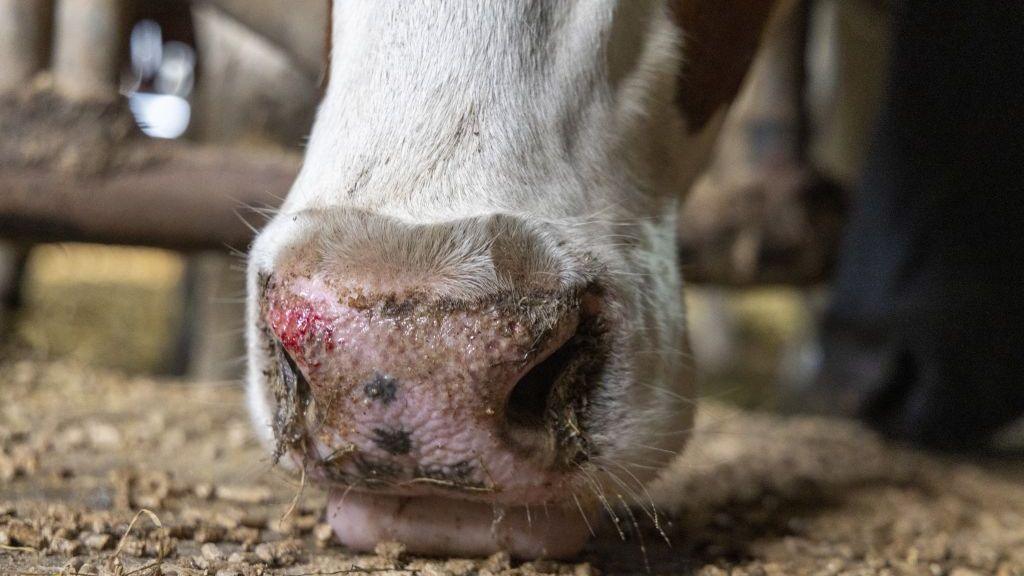
Symptoms include nasal discharge, redness and swelling of the lips, nose and muzzle, lameness or reluctance to stand, a decrease in milk production and diarrhoea in cattle.