A Scottish wildcat has been recorded swimming in the wild for the first time, according to a conservation project.
The female, which was born in captivity in 2022 and released into the wild in 2024, was spotted by a group of friends canoeing on the River Spey earlier this summer.
Saving Wildcats, which involves the Royal Zoological Society of Scotland (RZSS), identified the cat because it has a GPS radio collar which allows it to be tracked.
The wildcat, called Sully, was released as part of the project's efforts to boost numbers of the animals in the Cairngorms National Park.
Saving Wildcats said the report and images from the group of friends helped to further understanding of wildcats' behaviour in the wild.
The swimming wildcat was first spotted by Craig Porter and his friends David McKillop and Will Walter were then able to capture video and images of it.
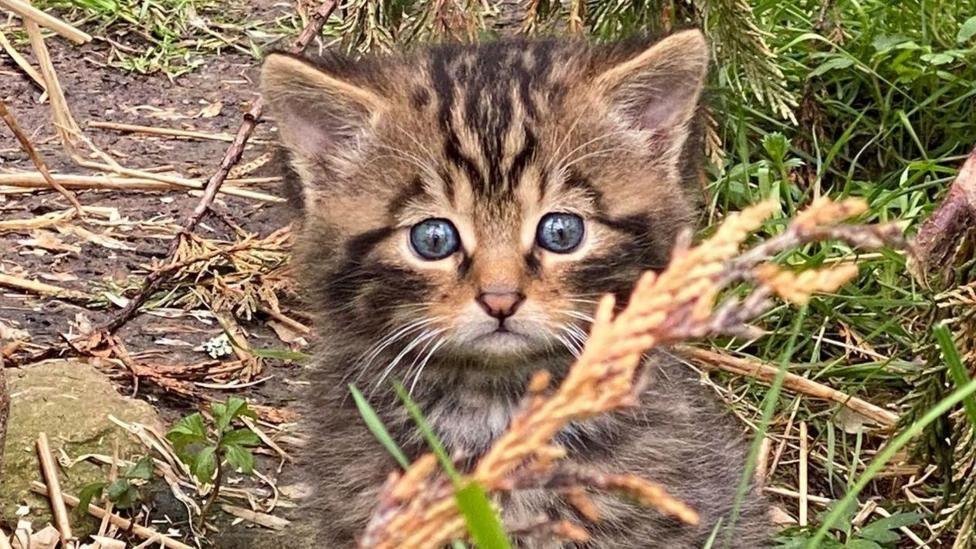
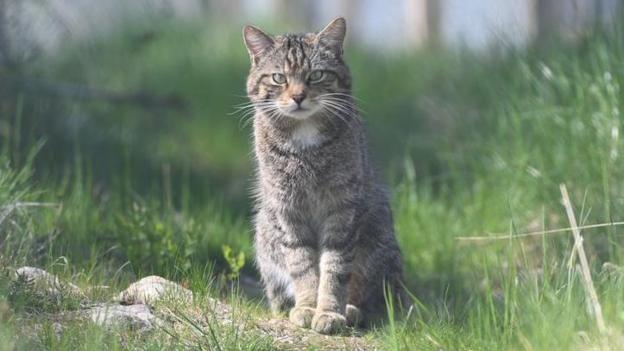
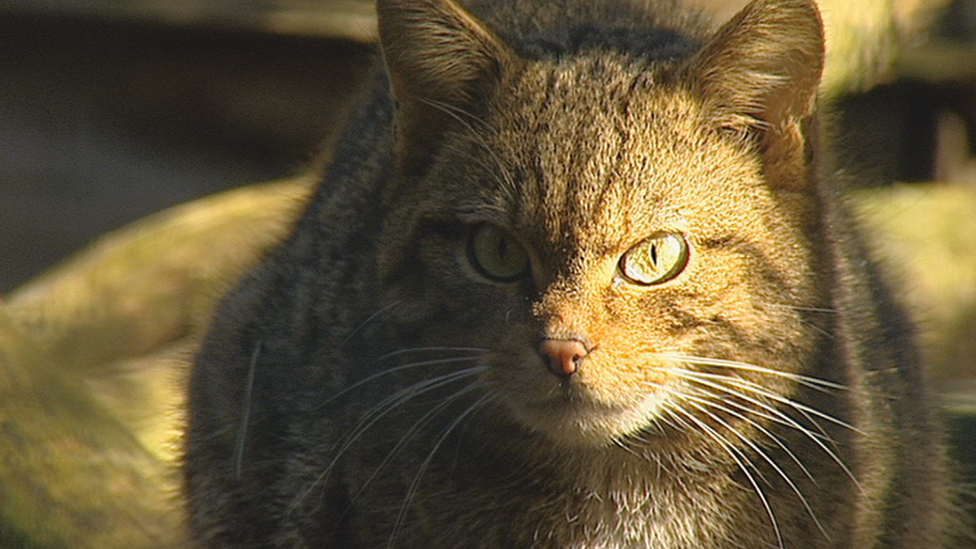
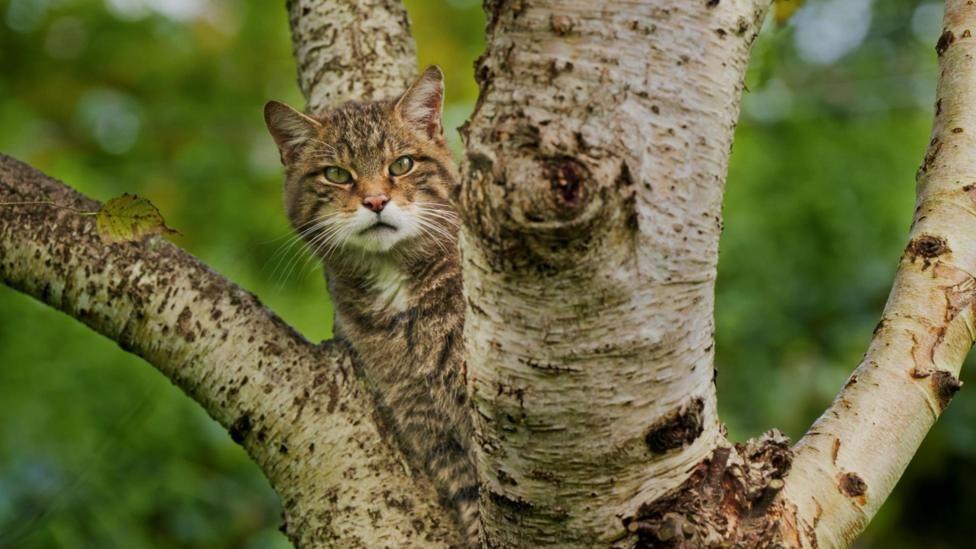
1 of 4
Wildcats are stockier and more muscular than a domestic cat, and also have longer legs and a larger, broader head, according to the Scottish SSPCA.
The species is nicknamed the Highland Tiger and they have been described as being impossible to tame.
Their numbers have declined due to habitat loss and collisions with traffic on roads.
Other major risks to the species include hybridisation - wildcats interbreeding with domestic cats - and diseases from domestic cats.
In December last year, a report suggested Saving Wildcats had been "highly effective" in helping to grow the species' population in the Cairngorms.
The project, which is led by RZSS, breeds wildcats in captivity at the Highland Wildlife Park, near Aviemore, before releasing them into the wild.
A study published in IUCN's Cat News which looked at the project's first year found l but one of the 19 cats survived their first 10 months.
Two kittens did die just a few months later, after the research had finished, with one knocked down on a road and the other dying of starvation.
In 2018, a major study concluded the Scottish wildcat was "functionally extinct" in the wild.