Sixty years since the Aberfan disaster, victims of major tragedies such as the Manchester Arena bombing say they still face a "disgraceful" struggle for support.
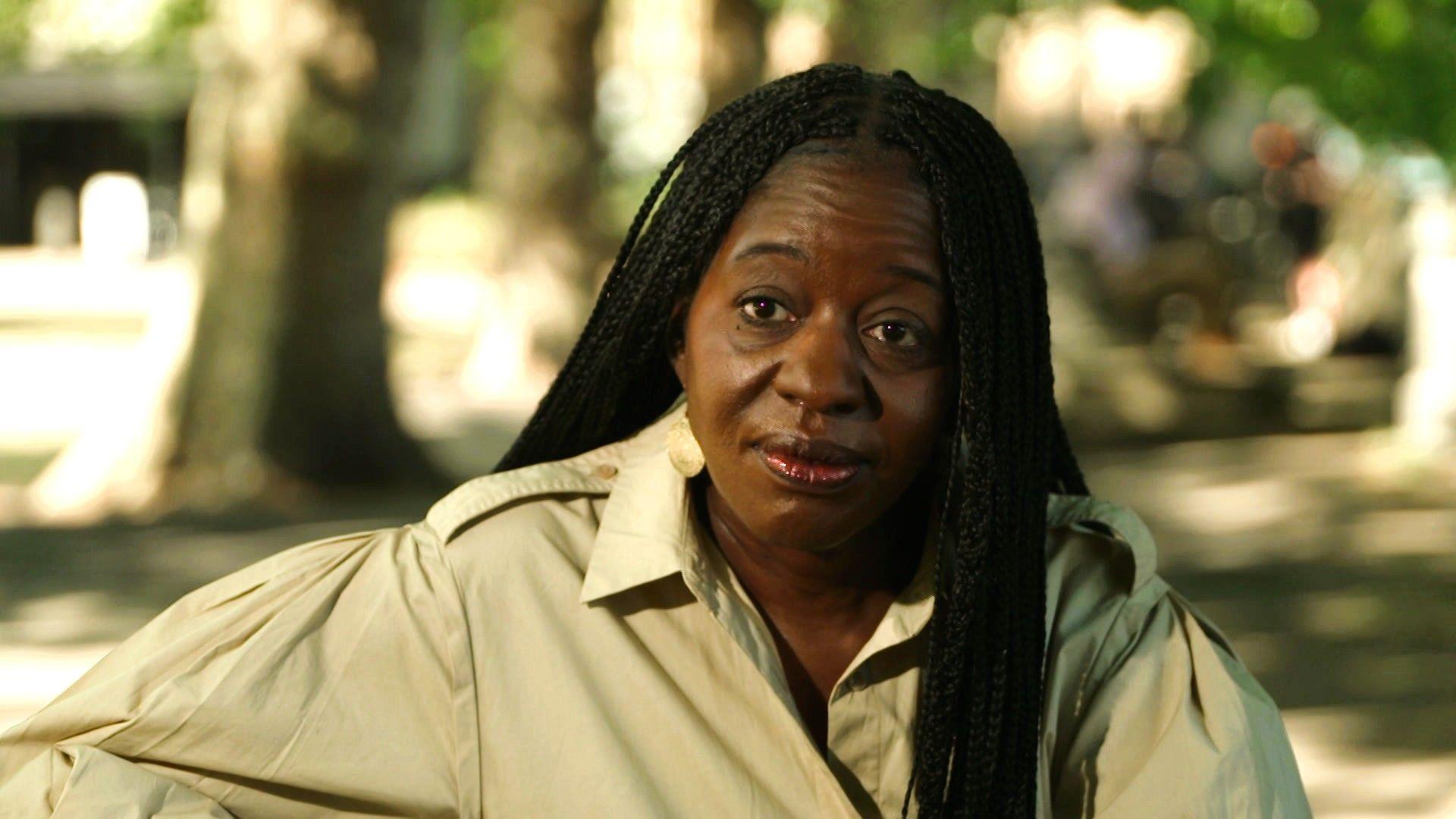
"I think it's a real stain on our society that we don't help people… at the worst time of their lives," said Cindy Butts, the independent public advocate for England and Wales.
For Jeff Edwards, the last child to be pulled alive from his classroom when a colliery spoil tip struck a primary school in Aberfan, the physical injuries healed but the psychological scars never did.
He says he had no support, and fears that this has not changed enough in the years that followed.
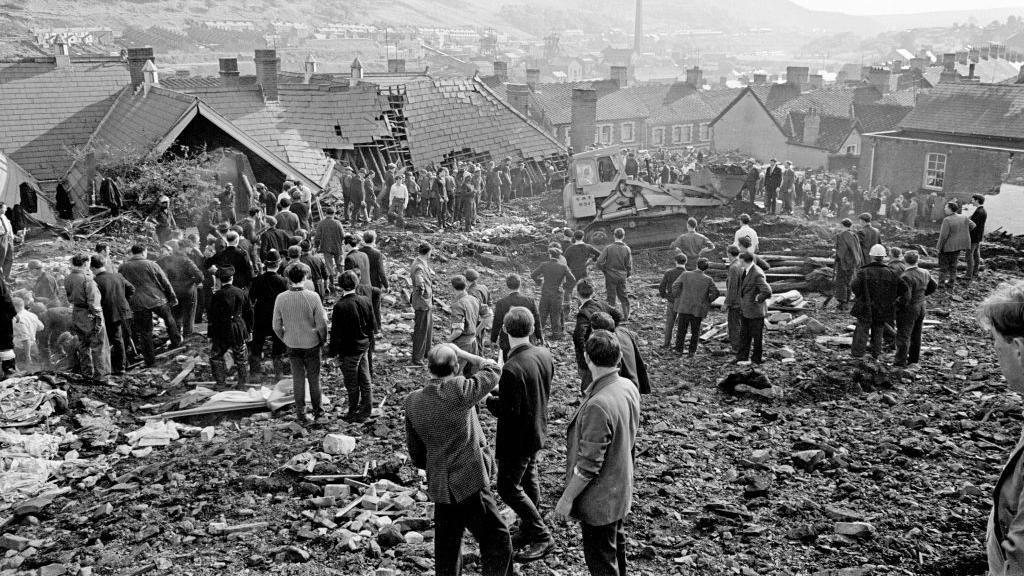
A total of 116 children and 28 adults were killed in the Aberfan disaster and Edwards says the consequences of the disaster remain a daily reality.
He was eight when a coal tip collapsed on Pantglas Junior School, and remembers waking up beneath the debris with the body of one of his friends resting on his shoulder.
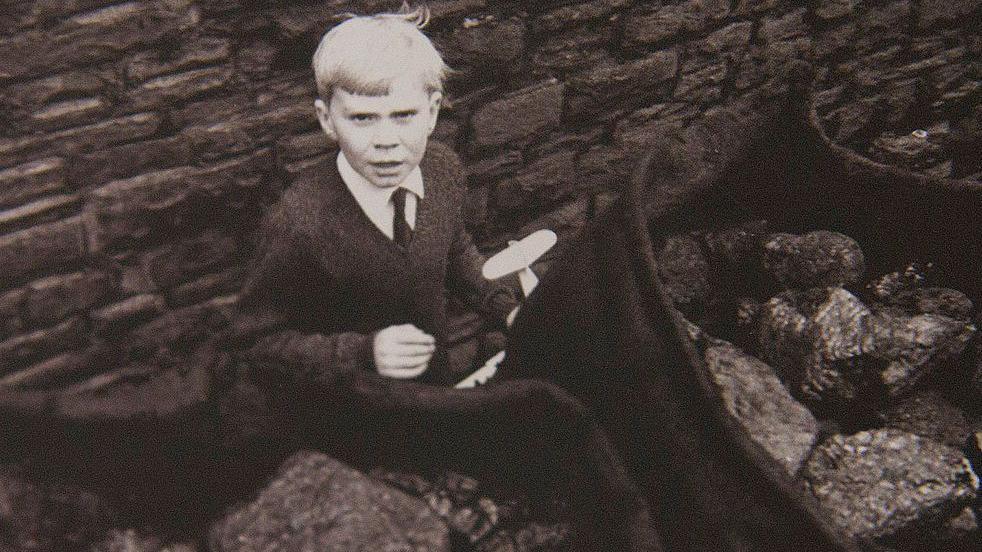
"Lots of the children in my class died, so effectively all my friends had gone," he said.
"The psychological injuries really had the greatest burden upon us."
Nearly 60 years on, Edwards said the trauma could still return unexpectedly. The recent earthquake in Venezuela brought back vivid memories of Aberfan.
"You can actually smell the coal dust in your nostrils. It really brings your brain back to that place," he said.
"It brings so much emotion back that it really knocks you for six and you go into a really deep depression."
An official inquiry found the National Coal Board was responsible for the Aberfan disaster, but survivors and bereaved families have long pointed to a litany of injustices.
Money was taken from the public disaster fund to help pay for the removal of remaining coal tips above the village, while compensation payments were limited and survivors had to undergo repeated assessments.
Support to help deal with their trauma was also minimal.
Edwards recalled being told by a psychologist to think about birthday parties when he had nightmares, despite many of the children who attended those parties having died. He said survivors had largely relied on each other.
"There was no help. It was basically self-help," he said.
While he said significant progress had been made in recognising trauma, Edwards said support had remained inadequate, particularly in the long term.
"Mental health services within the NHS are a Cinderella service," he said.
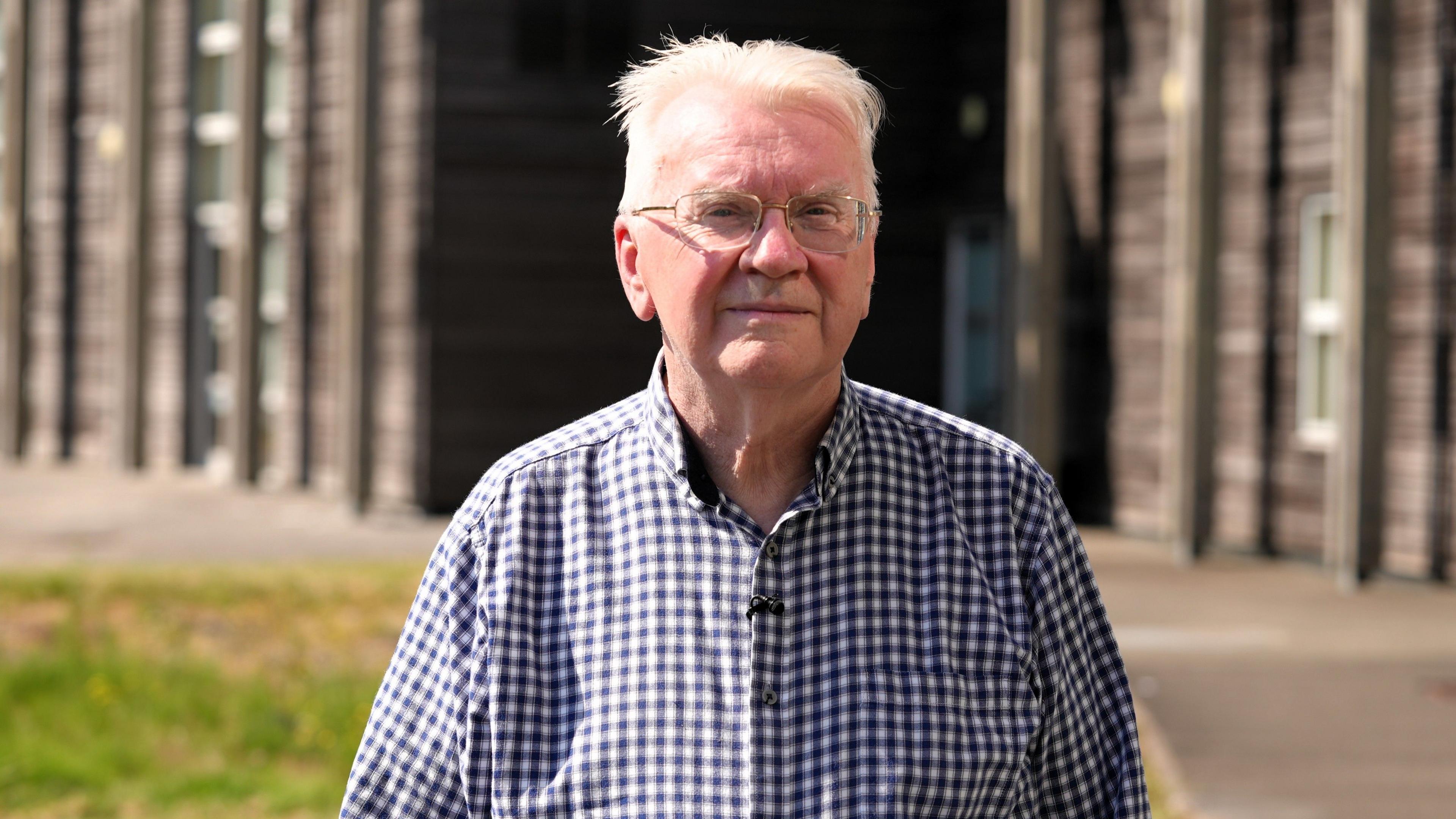
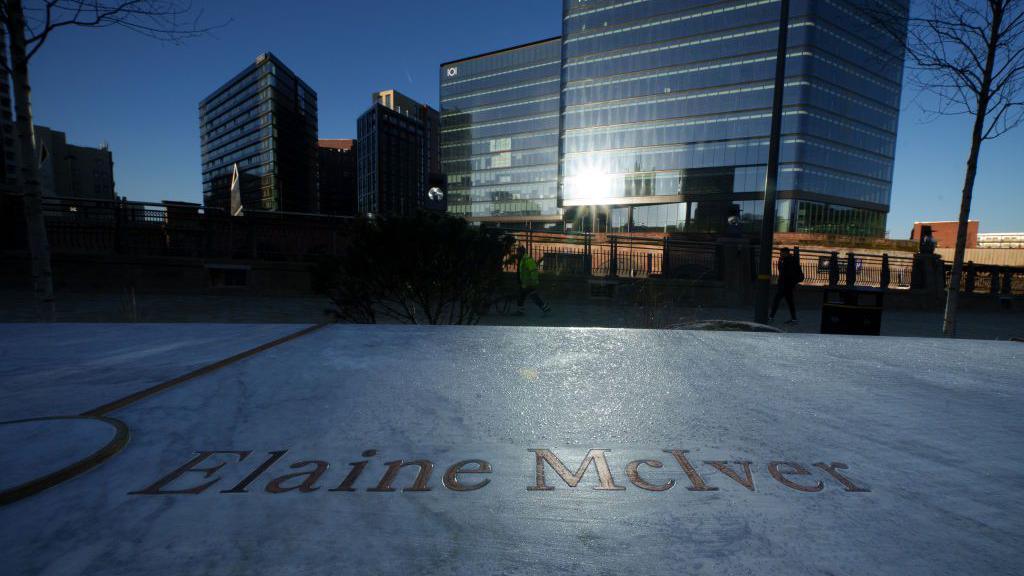
That frustration was shared by Paul Price, who survived the Manchester Arena bombing in 2017 but lost his partner, Elaine McIver.
Price suffered life-changing injuries, spending two weeks in a coma and nine months in hospital.
He had to learn to walk, eat and dress himself again. After leaving hospital, he said he had felt abandoned.
"I came out of hospital nine months later to nothing," he said.
"It was a second trauma."
Unable to work, he lived on savings while paying for rehabilitation and physiotherapy. He ultimately secured compensation through the Criminal Injuries Compensation Authority (Cica), but only after years of applications, medical evidence requests and assessments.
"It was dehumanising, it was humiliating," he said.
"It made me feel like they didn't believe me."
Price said many survivors had given up pursuing compensation because the process had been too traumatic.
"If something happened tomorrow, people would still go through what I've come through," he said. "It shouldn't be like that."
His solicitor, Terry Wilcox, who worked on both the Manchester Arena and Hillsborough campaigns, argued that too little had changed.
"We had to become social workers, we had to become care providers," he said, describing how lawyers found themselves helping their clients to access counselling, rehabilitation and benefits.
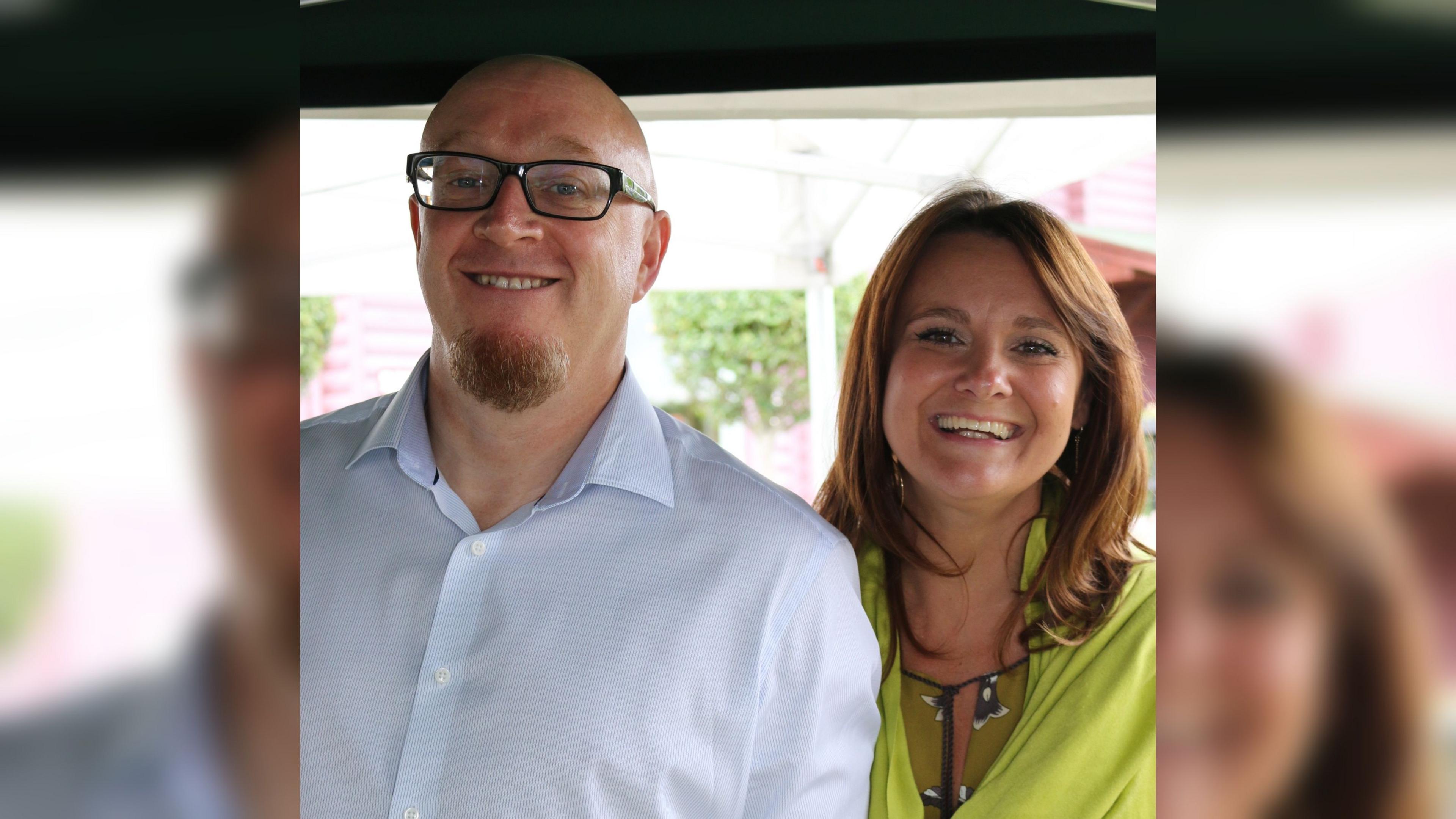
Wilcox said some Manchester Arena survivors had become destitute after losing their income and that lawyers had often been left arranging support that should have come from the state.
"That should not be the role of the solicitor," he said.
"Without a fundamental change, it's going to happen time and time again."
He also criticised delays within the compensation system, saying even straightforward claims could take years to progress and that victims were often left "banging your head against the brick wall".
Both Wilcox and Edwards point to a wider pattern stretching from Aberfan and Hillsborough to the Post Office and infected blood scandals. There have been repeated promises that lessons will be learned, followed by fresh complaints that victims are left to fight alone.
A spokesperson for the Ministry of Justice, which oversees the Criminal Injuries Compensation Authority, said victims needed to be able to access "financial compensation as well as practical, emotional, and therapeutic support" and it had made "every effort to communicate with them sensitively and accurately" when claims had been made.
It added: "The taxpayer-funded Criminal Injuries Compensation Scheme paid out over £180m last year to support brave survivors of violent crime, including those whose lives have been devastated by appalling terror attacks. We have also established a Support Hub for victims and survivors of terrorism which will help victims to make their own applications."
Butts, whose role as Independent Public Advocate was created following campaigns by Hillsborough families, said too many bereaved relatives still had to become campaigners, investigators, and experts simply to uncover the truth.
"The fact that we keep having these repeated issues over and over again, that is absolutely a stain on our society," she said.
"Part of the reason why we're not learning those lessons is because we haven't got a proper way of tracking what those lessons are."
Butts said it was a "really sad fact" that victims and their families were "forced" to hold "feet to the fire" in order to seek truth and justice.
"The burden of seeking truth and justice should rest on the system," she said.
"It should never rest on those families."