Why do rich people keep buying Irish castles?
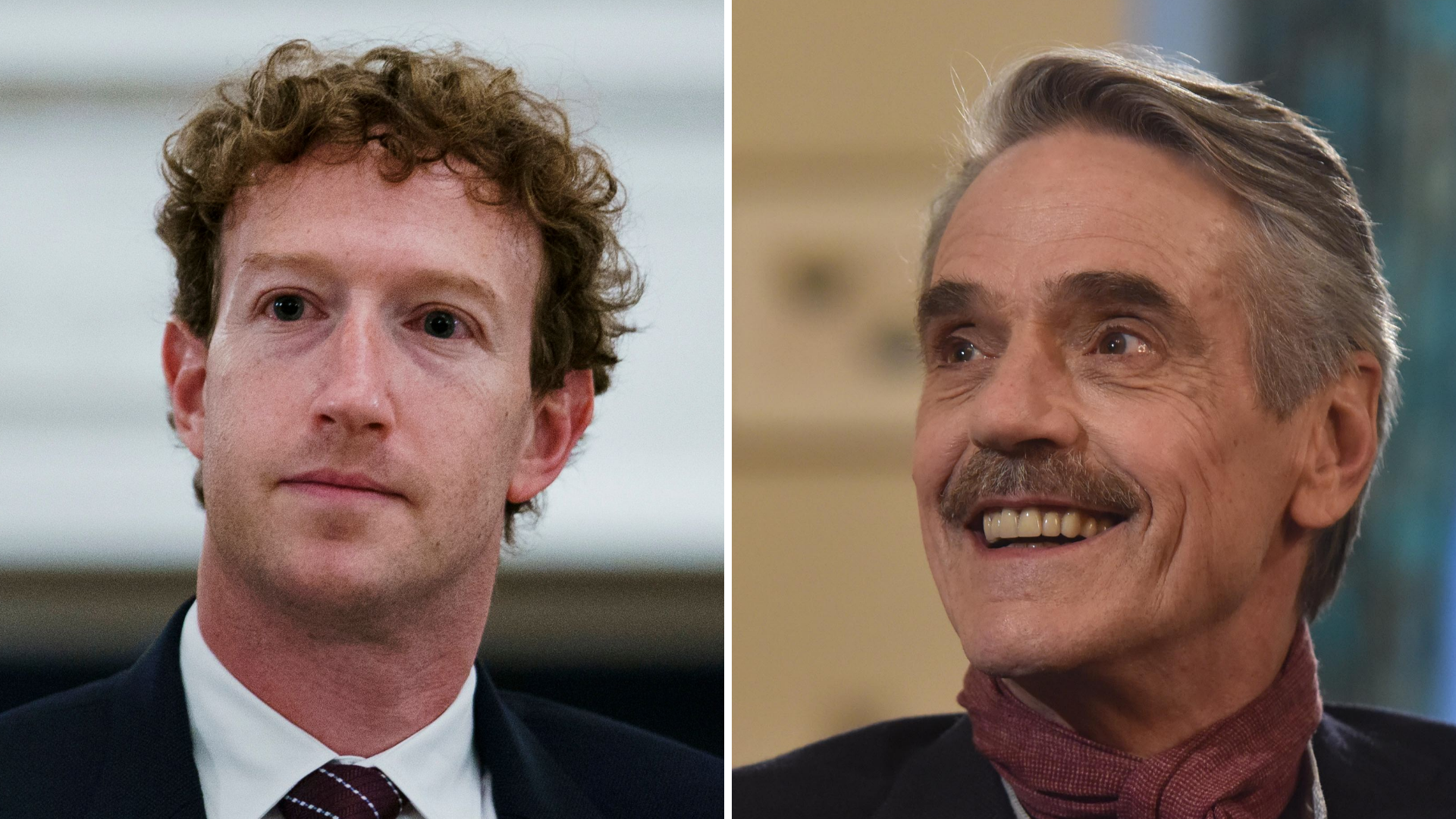
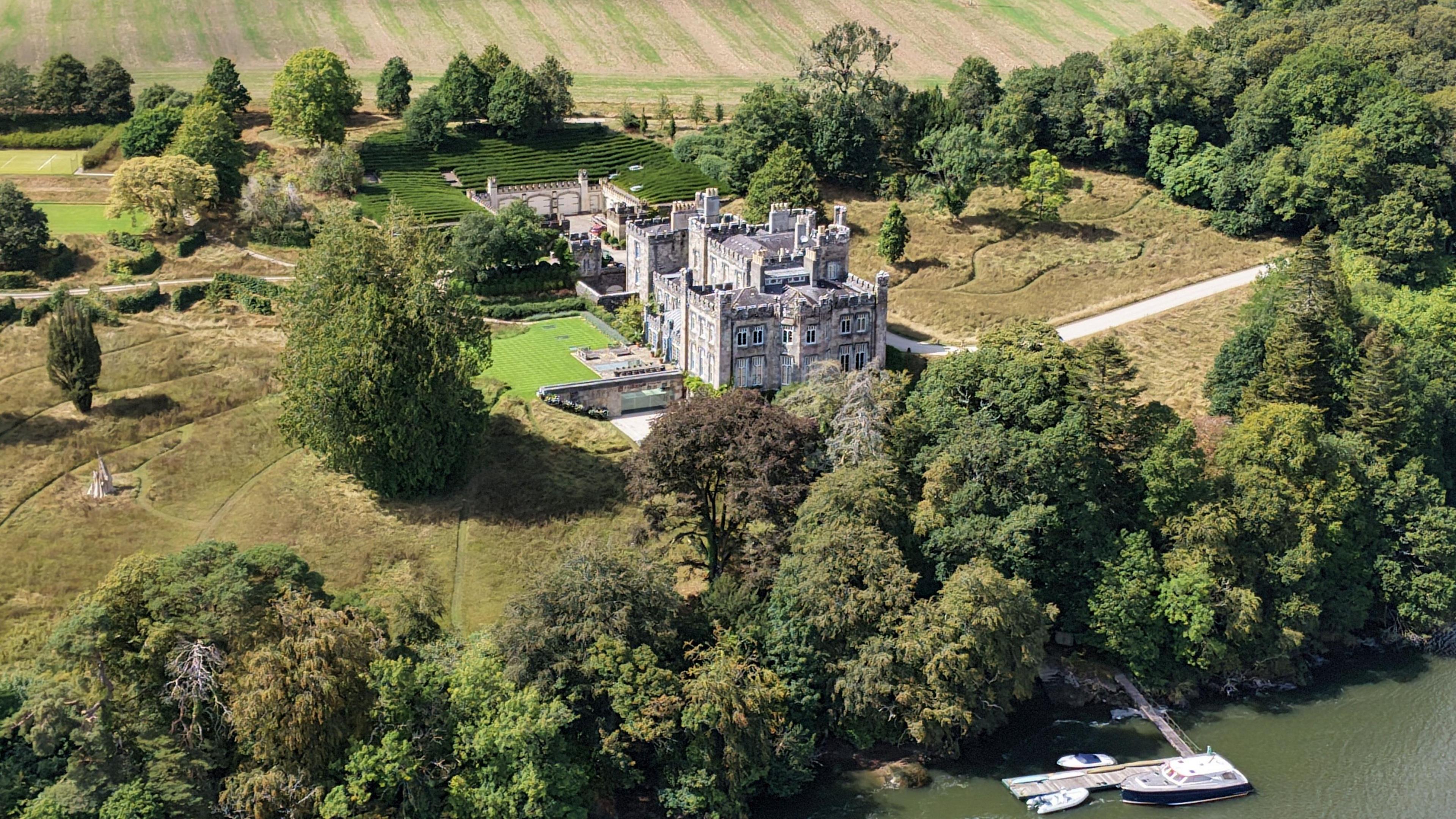
It's a question that has cropped up once again this week, following Meta CEO Mark Zuckerberg's purchase of Strancally Castle in County Waterford.
But the Facebook founder is far from the first - the likes of Jeremy Irons, Christy Cashman, and the billionaire John Malone have all bought Irish castles in recent decades.
So what exactly is going on?
For Zuckerberg, part of the appeal is likely practicality, with Meta's international headquarters based in Ireland.
A spokesman for Zuckerberg said: "Mark and his family are excited to continue caring for this historic home and look forward to spending time in Ireland, where Meta maintains its international headquarters."
However, Zuckerberg is far from the first wealthy individual to snap up a castle in Ireland.
From Irons, to West, to Zuckerberg
Among the many thousands of castles situated on the island of Ireland, there are a number of particularly notable owners.
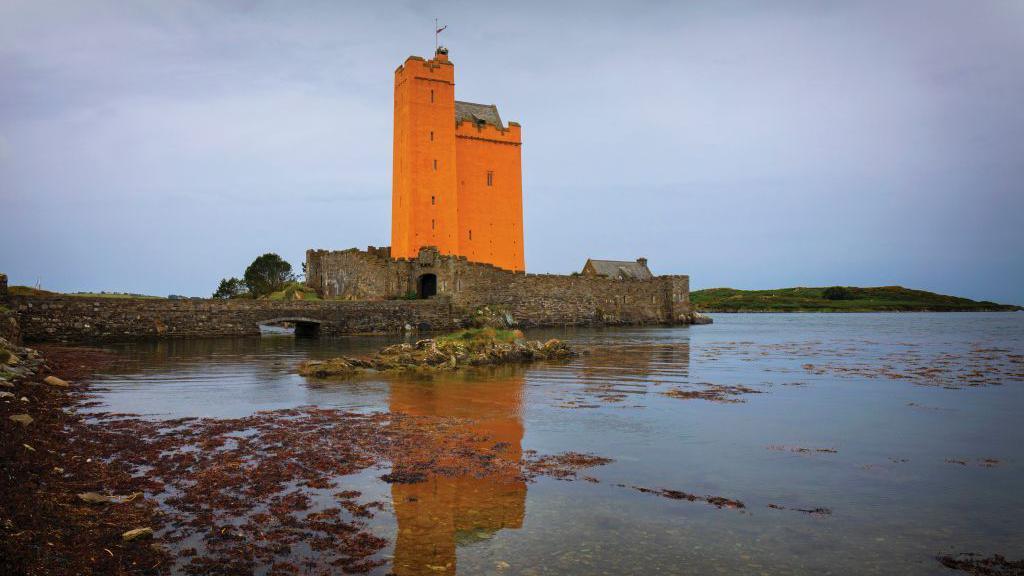
Oscar-winning actor Jeremy Irons owns Kilcoe Castle in County Cork, which he began renovating in the late 1990s after becoming bored with acting work.
And Glin Castle, situated in County Limerick, is owned by Catherine FitzGerald, whose husband Dominic West who starred in The Crown.
'An expression of power'
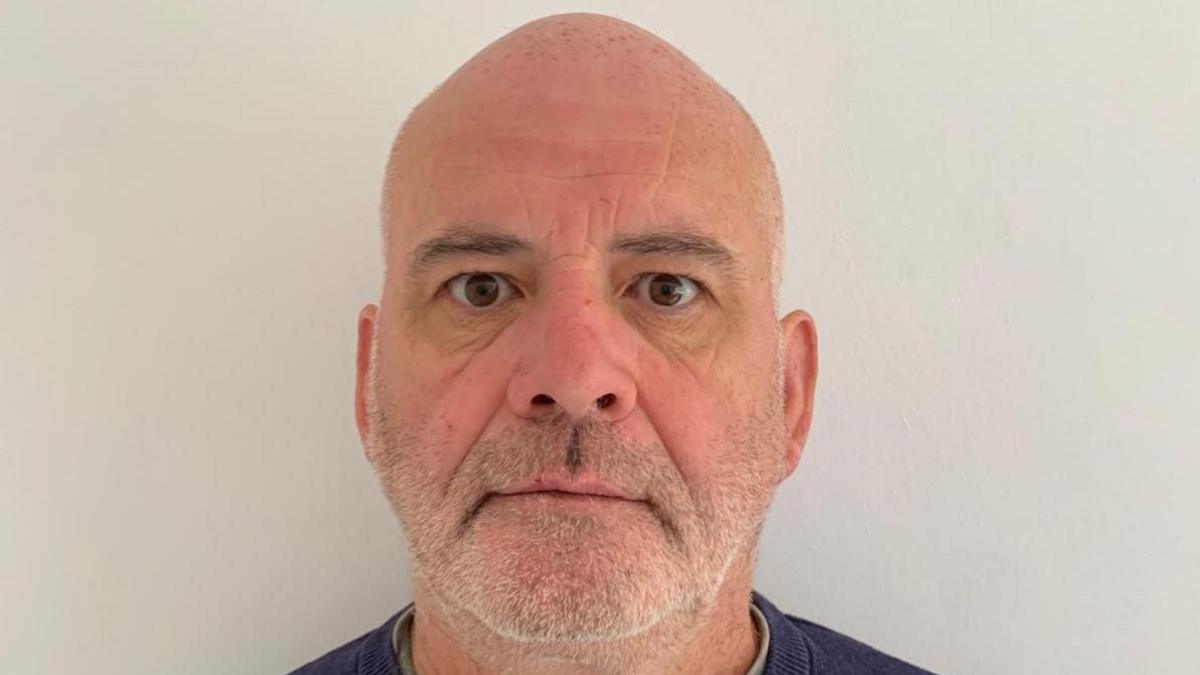
Dr Colin Breen, who is an academic at Ulster University specialising in archaeology and landscape management, explained that castles have existed in Ireland since the 12th century.
The primary reason for their emergence was the arrival of Anglo-Normans, who also took the vast majority of the land on the island.
"The key to their success was castles," Breen said.
This led to a "radical shift" in the architecture of Ireland, with castles constructed to "protect and consolidate their new colonial lands".
"They were built to intimidate, but they were also an expression of power and presence."
Buying into Ireland's past?
"Maybe romance is a place."
So go lyrics to Fontaines D.C.'s hit Romance.
And while the Irish rock band may not have been singing about the trend of rich Americans buying castles in Ireland, the line is certainly apt.
Breen said "big Americans" have been "buying into the idealistic Irish past" since the 20th Century.
"Mark Zuckerberg is following a trend that we've seen for years, he's buying into this romantic idea," he said.
"They're buying up these places to create a romantic party pad so they can fly their billionaire friends in for the weekend.
"They're buying to a romantic notion of what Ireland was, not necessarily what Ireland is."
Josh Pim, who is an associate director on Savill's residential and country agency team, also noted the "romantic" aspect of the sale of Irish castles.
"There's a romantic side - Americans don't have to go back too far to find a piece of Irish heritage," he said.
"There's a rarity and architectural significance and history to these castles."
However, Pim added that the market for these properties goes beyond the US, with interest in Irish castles also existing within "the wider international market as well".
Helen Cassidy, an auctioneer specialising in the sale of castles, said there is a "very real thirst for the ownership of an Irish castle" from people around the world.
Cassidy said some American buyers are "ignited by the history and heritage of a particular property".
"There is something about an Irish castle that, once it gets under the skin, is rather difficult to resist."
Privacy and security
Another factor, said Pim, is that large estates in Ireland offer "privacy and security".
Pim said this is in part due to the nature of the estates, which often come with large swathes of land.
Breen agrees: "We know that an awful lot of the new landowners are interested in privacy, they're interested in cutting off the land".
He said this is problematic, due to the potential importance of managing the land to deal with climate change.
He said it is also important that historic sites are not excluded from their local communities.
"They have a responsibility by buying into these places, these places cannot become billionaire ideals."
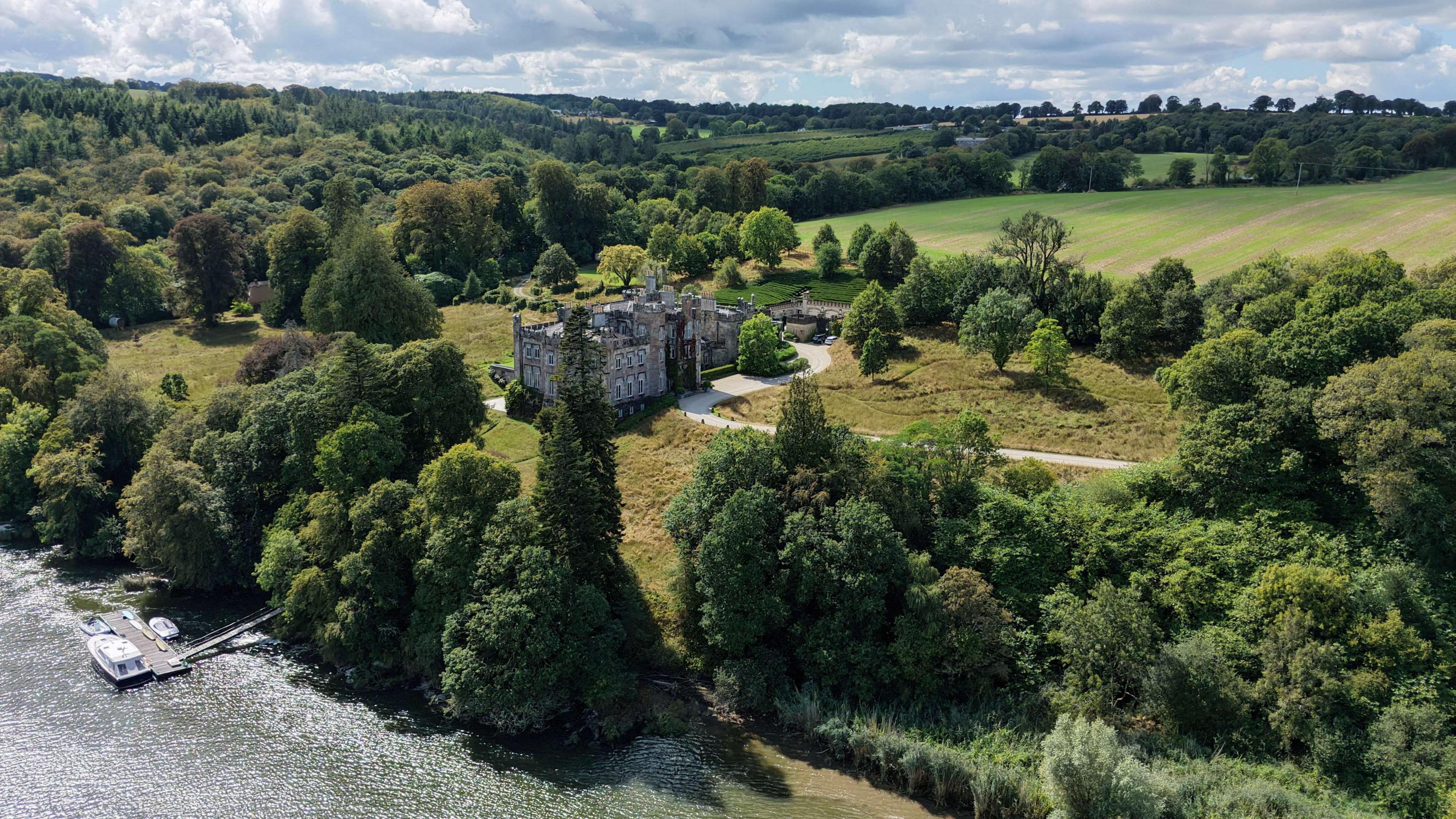
Breen said that the historical importance of castles in Ireland means it is all the more important they don't become completely private.
"Castles and these big mansions were symbols of hatred and division in our society for so many generations," he said.
Breen said castles are important in how people in Ireland remember the past.
"These individuals coming in could potentially have a positive impact on these places as long as they engage properly with the authorities."
A 'trendy' turreted home
Another attractive quality for those buying castles in Ireland may be the status they confer.
Breen explained that, as society moved away from feudalism and into the early stages of capitalism, castles became less defensive and practical, and more "trendy".
He said the rich wanted to "show their prestige, their standing, and their status within society through the construction of these places".
Today, Breen said the wealthy buying castles in Ireland is "an identical process in many ways".
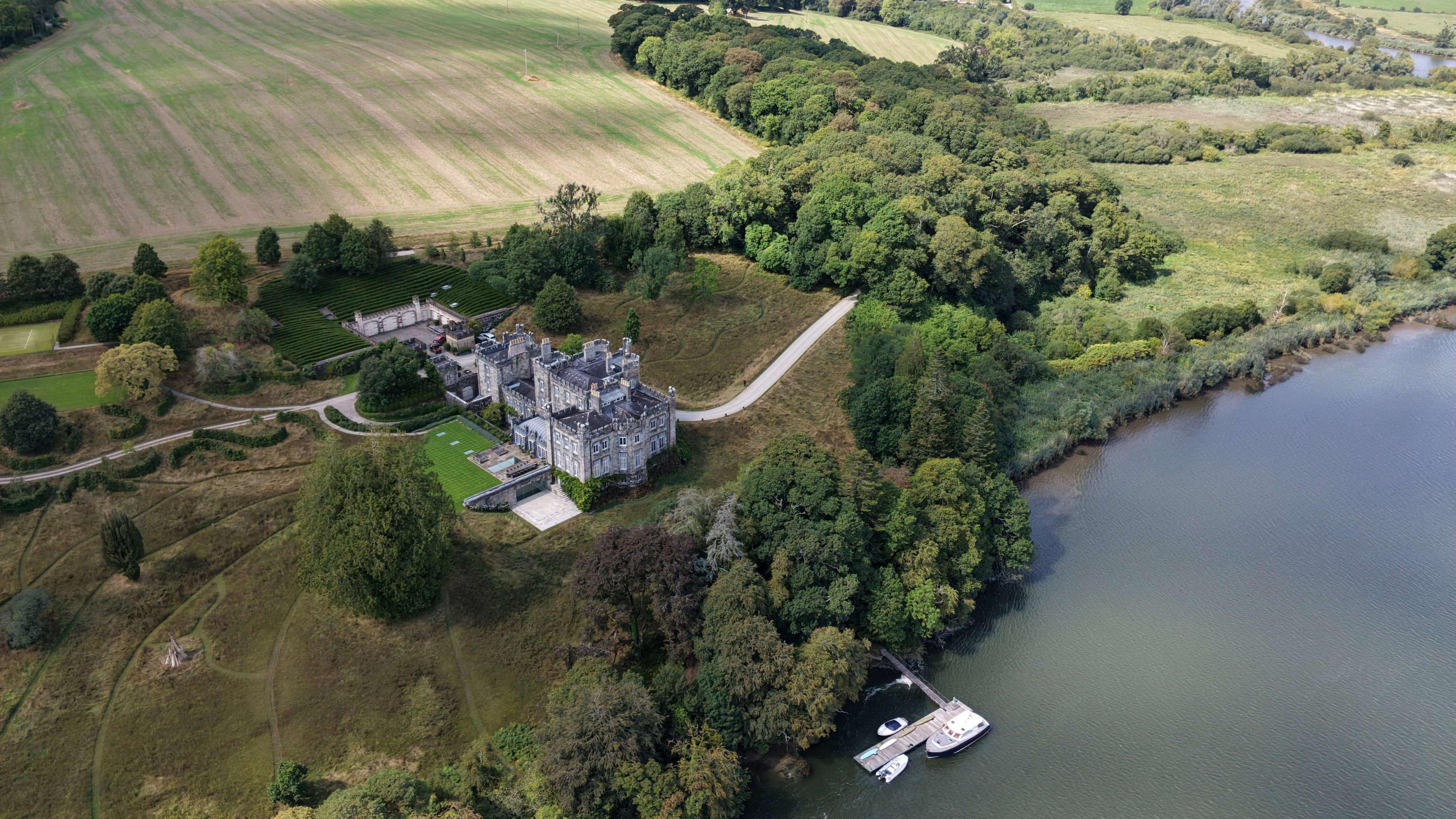
In a statement, a spokesperson for Waterford City and County Council said "the news that Mr Zuckerberg has purchased Strancally Castle is to be welcomed, although not surprising, as the Blackwater Valley in County Waterford is a place of unrivalled beauty".
"We hope that Mr Zuckerberg and his family fully enjoy all that Waterford has to offer."