
Residents of a riverside village are looking for solutions following an "explosion" of biting insects.
Keith Ingram, who set up a petition calling for research into the problem, said "summer evenings have been turned into a battleground" in the village of Calstock, Cornwall.
Villager Ellie James added: "Any time the sun goes down they come out. Basically everywhere around here is just full of them. There's no escape."
Calstock Parish Council said it was working with the Environment Agency and UK Health Security Agency to set traps to find out which insect species was causing the bites.
Calstock is on the River Tamar where a wetland was created by the Environment Agency in 2021 to protect the village from flooding.
Ingram said: "Since the wetlands were introduced, biting insects have exploded."
The Environment Agency said the scheme had been necessary to help the area adapt to "the impacts of sea level rise and climate change while increasing biodiversity".
But Ingram, who also set up a Facebook group called ITCH (Insects Take Calstock Hostage), said villagers believed it had also created a breeding ground for insects.
"It's been getting gradually worse since they completed the wetland," he said.
"It wasn't too bad in the first year but about three or four years ago there was a bike show on the football pitch next to it and people were bitten really badly.
"It's got worse every year since then."
'Nasty reactions'
Kerenza Willingale said she had been bitten while sitting on the village's waterside green.
She said: "You can see swarms of them when it's 6pm and sometimes they'll cover someone's leg like a sock.
"You have to brush them off especially if you're on the field, you'll look down and there will be a swarm of them stuck to you.
"Every night it's pretty brutal, especially when it's hot."
James added some people had suffered a nasty reaction after being bitten.
"Some have come up in proper nasty welts and had allergic reactions. The bites swell and they weep," she added.
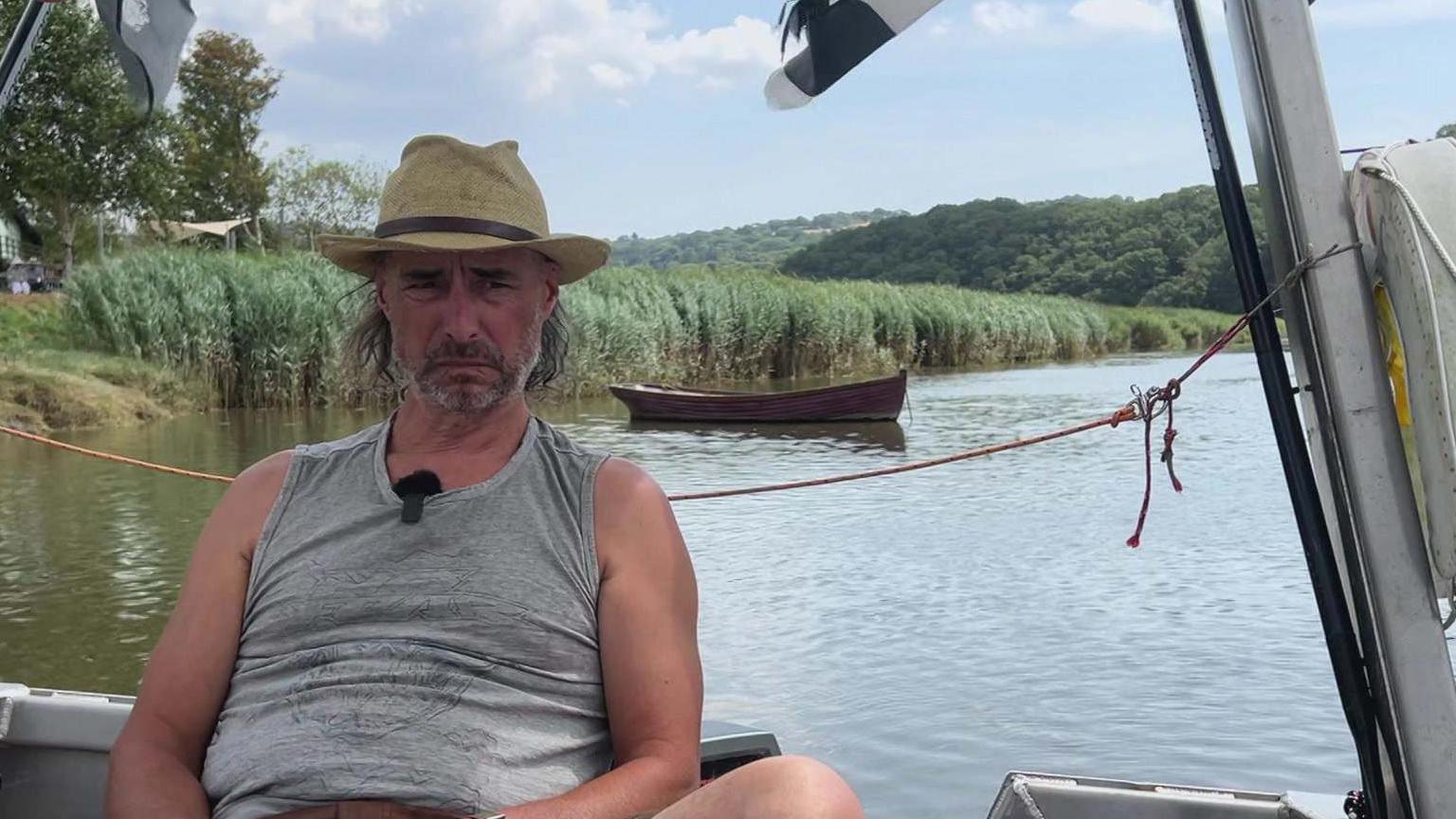
Kev Kennington said he had suffered several bites on his legs while visiting Calstock this summer.
He said: "I've been bitten dozens of times.
"They seem to hover low around your legs in the evenings and if you're wearing shorts, as we would do in this weather, it's a feast for them."
Skipper of the Calstock ferry Will Matos said the feeling in the village was that about 20% of people seemed to be immune to the biting insects.
"Most other people are getting bitten and a small proportion of them have a really bad reaction," he said.
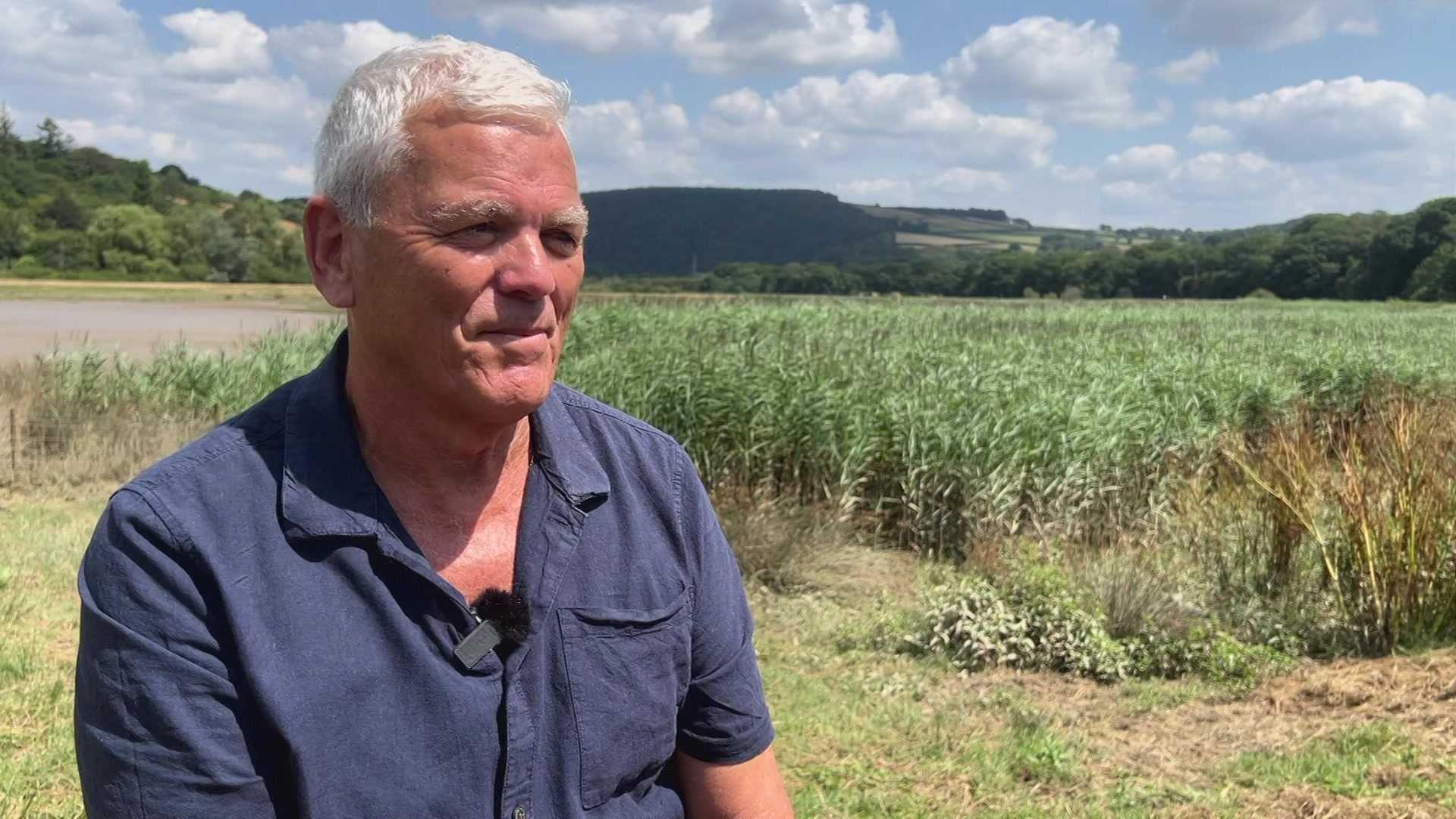
Parish councillor Philip Spur said the council supported Ingram's petition calling for research into the problem and hoped it would result in "proper scientific investigation" into the issue.
He said the council was already working with the UK Health Security Agency and Environment Agency to set insect traps to find out which species were biting people.
"They will identify them and we hope we will be able to work out what mitigation we can undertake," Spur added.
Alexander Vaux, principal medical entomologist at the UK Health Security Agency, said Calstock was included in its Snapshot Wetland Mosquito survey.
He said: "We don't know what's causing the nuisance biting in Calstock yet.
"It might be mosquitoes, it might be midges, it might be some other form of biting insect.
"Hopefully through this summer they'll be able to run the traps and we'll be able to identify what's causing the nuisance."
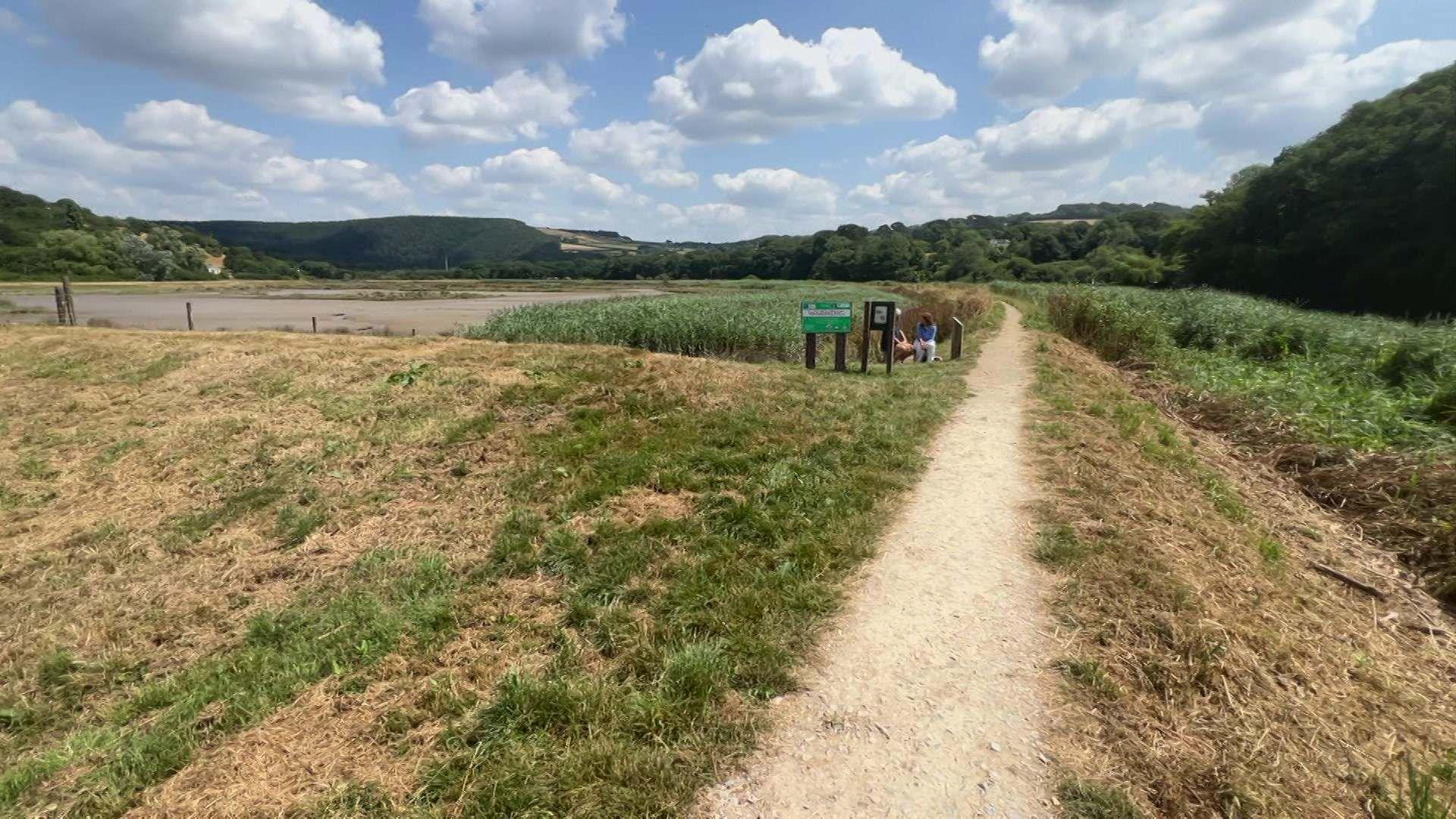
While they wait for answers, Spur said filling in the wetland was not the answer.
He said: "It's a fantastic biodiversity plan and also a flood prevention scheme.
"Projections of the flow of the river by 2060 are to be significantly higher, so we're caught between two things really, either bugs or floods."
He said the parish council wanted to encourage predators such as swifts, swallows, sand martins, hedgehogs and dragonflies to eat the insects.
The Environment Agency said discussions with local stakeholders and ecological specialists had highlighted "a range of factors that may influence insect populations".
It said these included "weather conditions, seasonal variation, existing wetland and reedbed habitats along the Tamar and broader environmental changes".
Follow BBC Cornwall on X, Facebook and Instagram. Follow BBC Devon on X, Facebook and Instagram. Send your story ideas to spotlight@bbc.co.uk.