
"He just loves being prime minister," a government insider observes.
Andy Burnham might not yet have delivered his all-important conference speech, but he has been preparing for this moment for years.
He'll lap up the inevitable whoops and cheers – not just as Labour's leader, but the kind of leader who chimes with the party's rank and file, who puts social justice at the top of his list, who is not averse to cranking up the greatest hits – whether taking a pop at Mrs Thatcher, privatisation, or the divides between north and south.
Speaking to MPs, ministers and advisers inside the party, there is no doubt whatsoever that Labour is in a much, much happier place than this time last year.
There is a very simple reason, according to one cabinet minister, fans of Sir Keir Starmer, look away now, "people like the new prime minister more than they liked the old one – that's the truth of it".
Another minister tells me: "There is no appetite for destruction – very little naysaying."
But Labour is in a position that's been all too rare for all our political parties in the last few years – there are no whispers about chucking out the leader, no-one stirring revolt.
And even those who don't like the direction of travel are labelling their opinions as a desire to be helpful, they're not trying to criticise the boss.
"The mood's good – everyone is going into conference with their ears open," one MP said, keen to hear more from the prime minister.
The feel-good factor is also driven by the party inching up a little in the polls – one senior figure says: "We're all witnessing the Burnham bounce – whether that's how you feel when you see the polls, or how we all feel when we have meetings together."

And those who work inside government also credit a more effective political operation around the prime minister. "The system's better, you get clearer decisions, better steers when you need them," says a minister.
Another government source also credits the new Downing Street operation but notes wryly, "it's unfair to compare the end of a regime which is always pretty nasty, with the arrival of a new one which is always more hopeful… these things can change".
There are whispers of announcements in the next few days on housing and defence. Some MPs also want to hear Burnham expand on themes they, and the country, have heard plenty about but that aren't specifically defined – "public control" and "re-industrialisation".
And frankly, the happy prime minister would probably be only too glad to talk for as long as necessary about those favourite subjects.
But however much he loves being PM there are also less tempting realities he'll have to confront.
"It's a new front man," says a minister, "but the song hasn't changed."
And the soundtrack to this autumn might prove to be downright miserable.
While Andy Burnham will be pressing the flesh at dozens of party events in the next few days, his Chancellor John Healey will be spending a lot of time holed up in his hotel room making decisions about the Budget which is only a month away.
The pressure on public cash is intense as the budget approaches – the choice for the chancellor doing the rounds is, "10 billion of cuts or 10 billion of tax rises," according to a well-connected senior figure.
Treasury sources say they don't recognise that simple number. However the figures shake down, the increasing cost of paying the interest on the country's debts weighs heavily.
Don't forget the rising welfare bill, demands for more defence spending. It's unusual that a party conference is happening with a budget just weeks away, and it looms over the conference, just as the state of the economy looms over Labour's current feel-good factor.
The UK can't force the US and Iran to find peace, to get traffic flowing freely through the Strait of Hormuz, to bring the oil price down. Nor can the prime minister make Putin bring his war on Ukraine to an end, with pressure on European gas supply as we enter another winter.

There are already predictions of our annual energy bills going up by £500 early next year.
You know the script – higher energy costs raise the spectre of price rises everywhere.
"We're really suffering at the hands of energy prices," says an insider.
One influential figure predicts an array of grim economic consequences, unconvinced that Burnham and his team have grasped what might be coming down the track and planned accordingly.
"The big economic challenges coming – rising housing costs, rising inflation, downward pressure on public spending because of the cost of borrowing, 500 quid on energy from January - I just don't see what the game plan is."
And there are nerves about whether the new No 10 is concentrating on getting the economy growing.
Many of Burham's priorities so far are about spending money, not helping people make it.
One of his own advisors publicly described the administration as a "traditional tax and spend socialist government with better TikTok". Ouch.
Now, the former business secretary, Peter Kyle, has very politely, but firmly, expressed concern that Burnham and his team are not thinking hard enough about helping the country make money, perhaps more focused on how to spend it. You can read more about his comments here.
He told me: "We must act with more urgency, and we must feel the need for economic growth as acutely as we do about tackling things like rough sleeping and about social care, and some of the social reforms that we want because they are inextricably linked."
Kyle is not the only person in the Labour Party who worries Burnham and Healey are more interested in spending money than helping business generate it.
And budget speculation is full of chatter around increasing taxes on property or other assets like stocks and shares.
At the other end of the spectrum there are demands on the left for the prime minister to ease the pressure on less well-paid workers.
One prominent figure warned: "Labour has a second hearing. One shot to get this right. It is beyond doubt that if they do not keep to the promises made to everyday people - workers and communities will turn their back."
Expect union leaders to renew calls for tax cuts for workers and more investment. It's a tug of war.
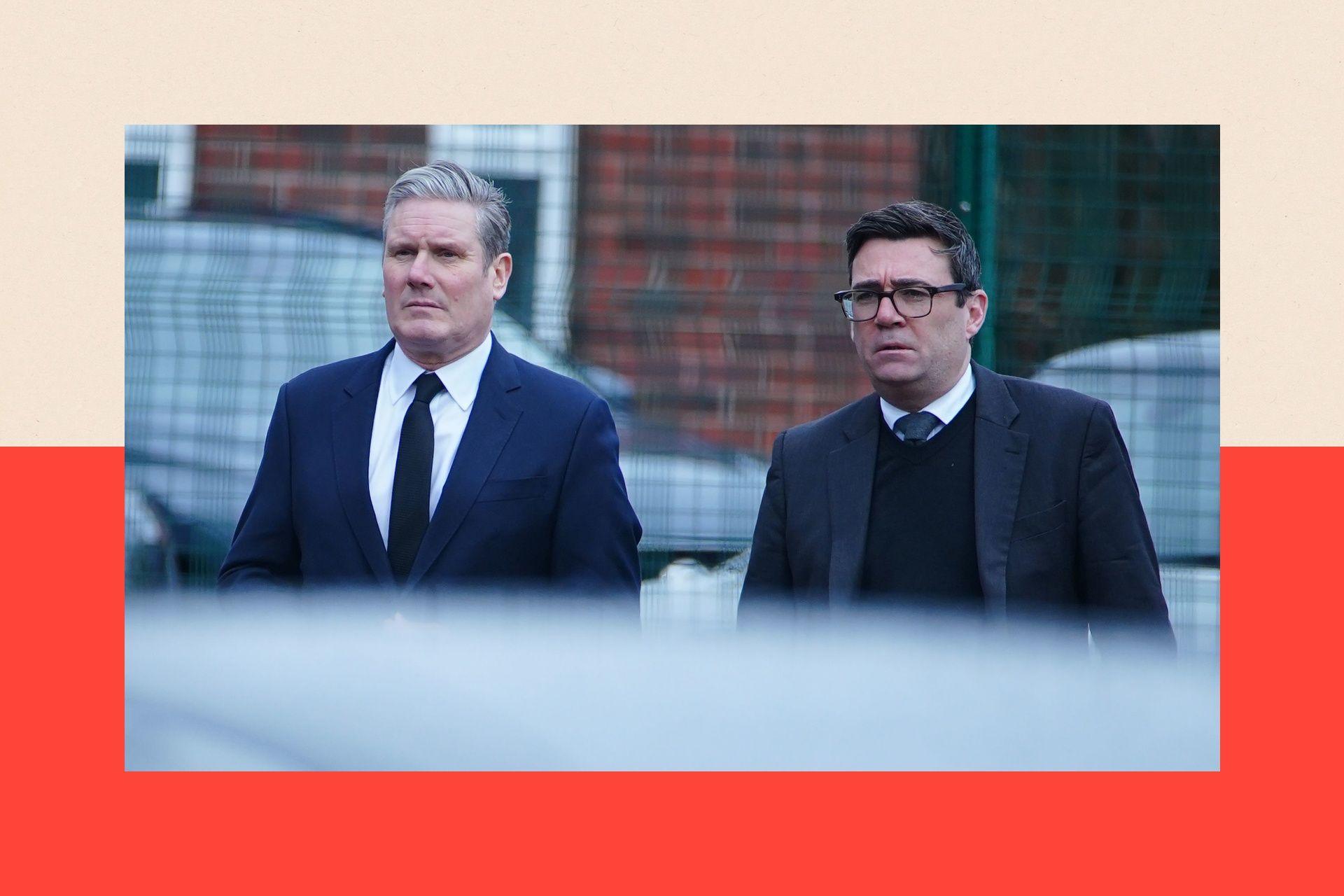
In the next few days, Labour are likely to look like a happy political tribe. The new chief delighted to be in charge. The rank and file relieved to have a leader they can cheer.
But one senior figure warns that what's coming could turn things sour. "The budget looks like a disaster – by Halloween we'll be looking at something else," predicting a big change in mood.
That portent of doom doesn't match the overall atmosphere around Labour right now, but there is a quiet creeping concern about whether Burnham's rhetoric of hope, and change, the classic political mantras, can be matched with people's experience.
A senior source says: "His political will needs to be more bold than the machine around him – don't write cheques you can't cash."
One minister niggles that it's easier to talk in broad terms about your long-term ambitions than to grapple with problems affecting people today, "there is comfort in dealing with some of the largest possible questions because it's a way off delivering them. But the cost of getting to work, or getting across town is expensive, going out or staying in – that's right now".
Conferences are a chance for political parties to enjoy each other's company, but also to show off to the country.
But the reality of paying the bills is, of course, more present in most people's lives, one minister tells me: "If you go into Tesco and the cereal you buy is noticeably more expensive, that has more cut through than any political clip you see on telly or Facebook."
Labour's spirits have been transformed by Burnham's soft coup that saw off Starmer.
But the minister says: "The contrast is not between now and hard times, but between the new regime and the old regime."
The question that beckons beyond the conference hall – can that carry on if hard times hit?

BBC InDepth is the home on the website and app for the best analysis, with fresh perspectives that challenge assumptions and deep reporting on the biggest issues of the day. Emma Barnett and John Simpson bring their pick of the most thought-provoking deep reads and analysis, every Saturday. Sign up for the newsletter here
Get in touch
Are you personally affected by the issues raised in this story?