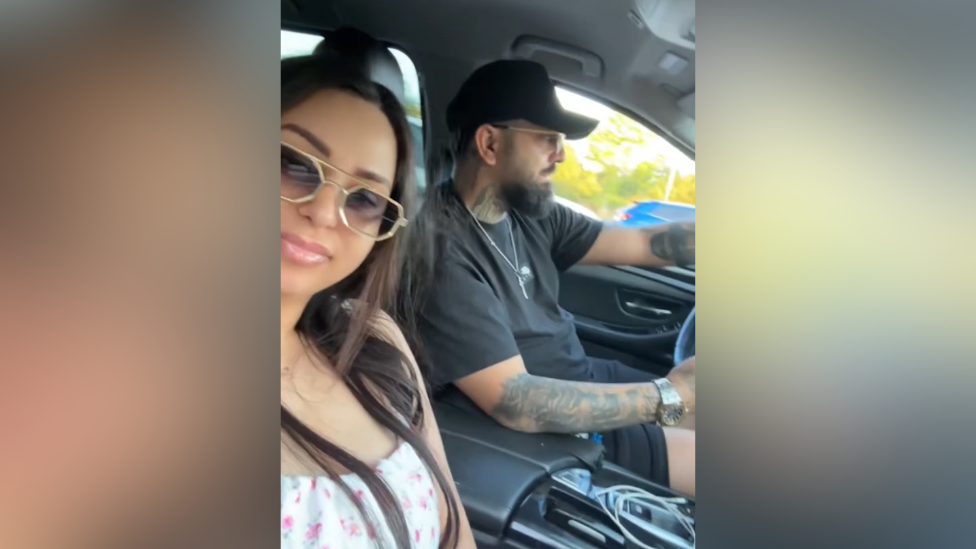
When Adina Mihai filmed a TikTok video on her way to commit what would turn out to be a fatal crime, she had no idea it would later become a piece of vital evidence.
The 31-year-old was enjoying what appeared to be an innocent car journey with her partner, 30-year-old Madalin Dumitru, as they drove to the home of Gary Mouat, 37, in Banbury.
She was meeting Gary after advertising sexual services online. He was found dead the following day after being fatally drugged.
His death in July 2025 triggered a nationwide investigation which would result in Mihai and Dumitru each being jailed for 17 years for the manslaughter of Gary and another man from Gloucestershire, as well as poisoning two victims who survived.
Wine glasses, voice notes and a pacemaker became key pieces of evidence for detectives.
So how did they solve the case?
Mihai posed as a sex worker online, and along with her partner Dumitru, took financial deposits from men.
She would then visit them at their homes. But what these men did not know was she would secretly spike their drink with a drug called gamma-butyrolactone (GBL) to render them unconscious.
Mihai would wait until they fell unconscious, before looking for property to steal, such as cash, aftershave, jewellery and expensive watches.
Dumitru would wait in the car nearby, apparently armed with weapons to protect their enterprise in case of trouble.
The Romanian nationals, formerly of Ilford, east London, "acted together, and with a shared intention, one they had agreed upon in advance", Julian Evans KC, prosecuting, told Oxford Crown Court during their sentencing hearing on Thursday.
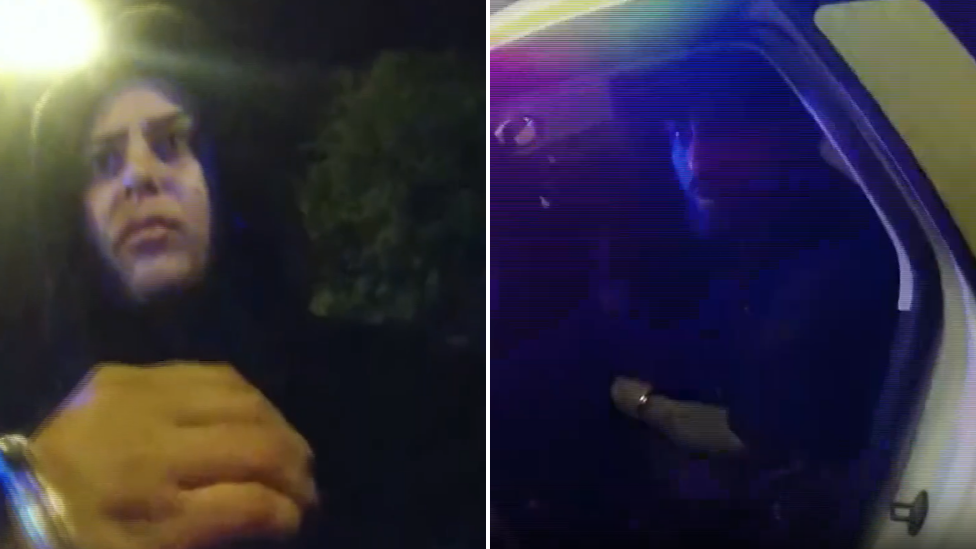
The pair's journey to Banbury did not just involve filming a TikTok video.
CCTV footage caught Dumitru buying wine and a pack of cigarettes from a petrol station in the town.
It was the wine Mihai would give to Gary, whose family was away at the time.
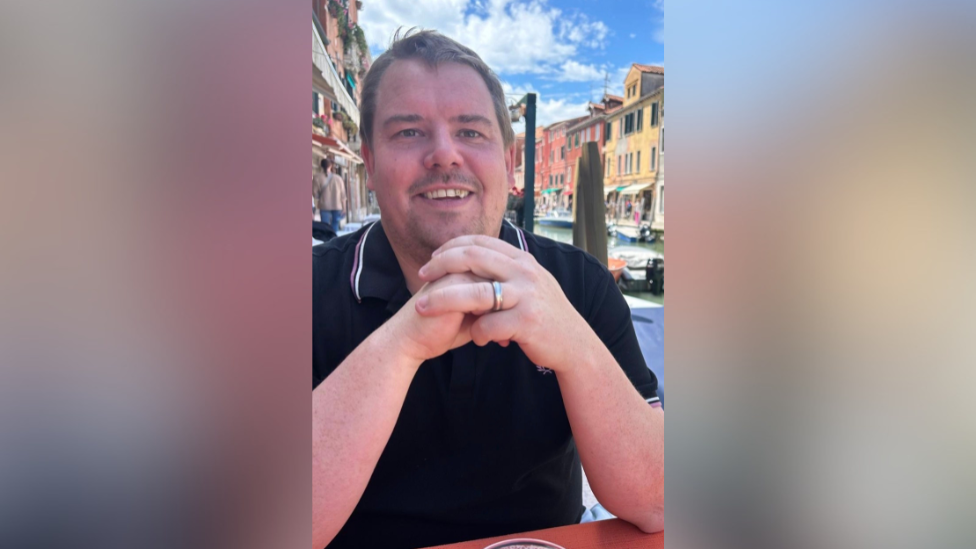
He was found dead the following day.
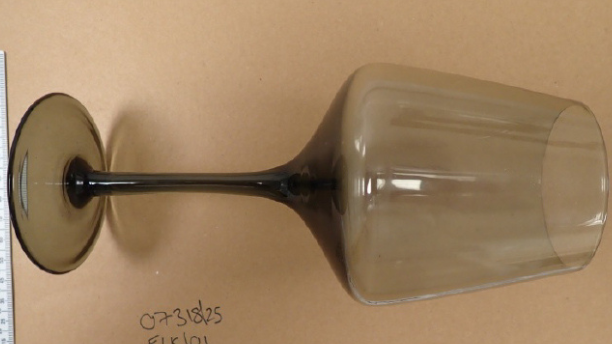
Det Insp Michael Roddy, the senior investigating officer (SIO) for Thames Valley Police in the case, said very close by to Gary were two glasses and a bottle of wine "which clearly indicated that somebody else had been present with him".
It was later established his death had been caused by GBL. When swallowed, the drug rapidly converts into a chemical called GHB, which has a powerful sedative effect.
Once Thames Valley Police discovered Mihai had poisoned Gary, it issued a national bulletin to all other forces asking them to share intelligence on other unexplained deaths.
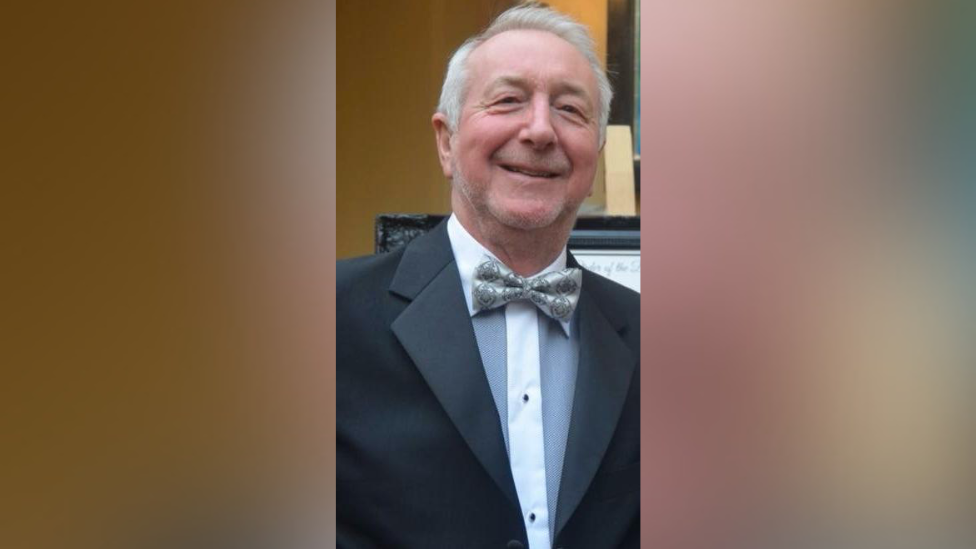
Her fingerprint and DNA left at the scene led to the discovery that a Gloucestershire man, 80-year-old Malcolm King, had also been poisoned.
Officers initially believed Malcolm's death at his home in Bagendon near Cirencester in August 2024 was not suspicious because he had a chronic heart condition.
"There was no understanding at that time as to what had caused his heart to fail in that way," said Det Insp Adam Stacey, the SIO for Gloucestershire Constabulary in the investigation.
The force said the case was referred to its local Professional Standards Department for review, who decided that no further action would be taken, and therefore there was no referral to the Independent Office for Police Conduct (IOPC).
There were no toxicology tests done at the time, however, subsequent samples revealed the presence of GBL "in a quantity that could be consistent with the range of volume of that drug that is associated with deaths", said Roddy.
He added the scene at Gary's house "replicated" that at Malcolm's death.
Roddy said: "With the two deaths I wasn't convinced that this was coincidence and she'd simply been there as a bystander.
"...clearly then my concern was, because of the nature of her work, how many other people may have been affected by her."
Malcolm's pacemaker gave police "very precise" data, said Stacey.
He added: "The device was set to activate after Mr King's heart rate elevated to a certain level and the data was then recorded at that point, so we were able to get that data reviewed by an expert cardiologist who was able... to give a very, very accurate estimate as to when Mr King had actually died."
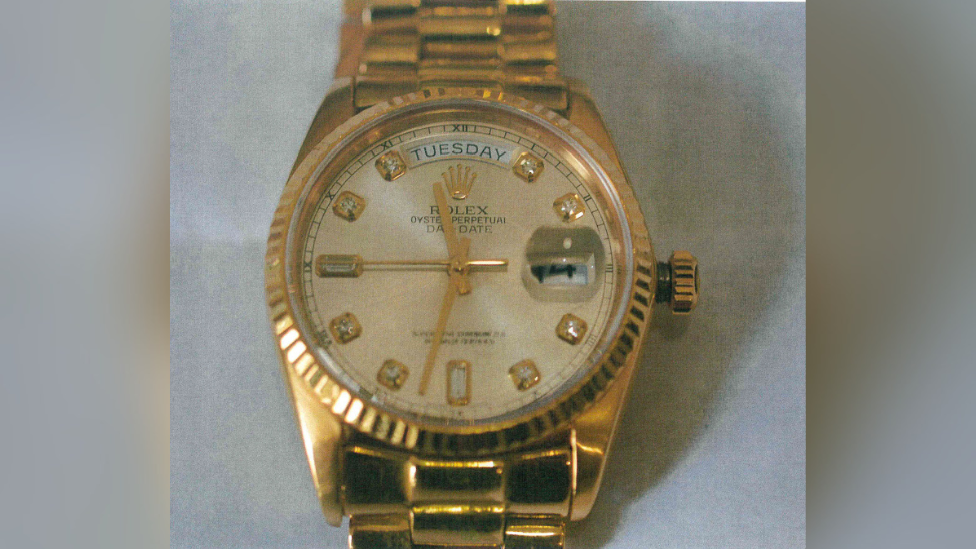
An 18-carat gold Rolex watch belonging to Malcolm was stolen, and police believe cash was taken from a money clip.
Roddy said it was "difficult to establish exactly what they stole" from Gary, adding: "He sent images to Adina Mihai showing that he had large amounts of cash within the property, so we know that cash was stolen we just don't know how much."
Roddy said: "We don't fully understand exactly how they chose those to attend but certainly there did seem to be some assessment of how affluent these males were and that clearly factored into their decision-making."
He added that Dumitru refused to give police access to his phone, so they were unable to unlock it.
"I think that probably holds a lot of the information that we need to fully understand how they operated," he added.
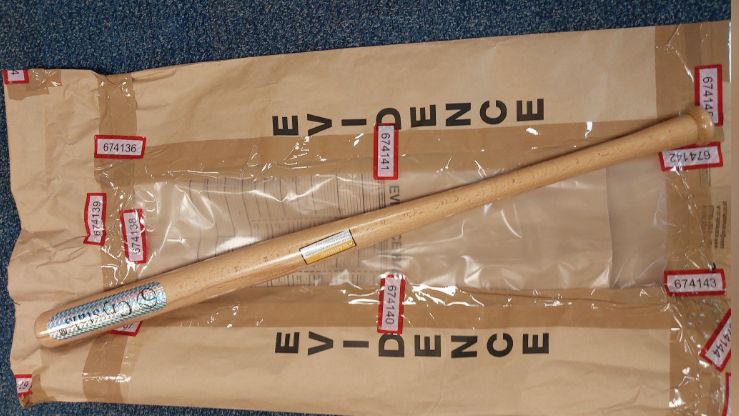
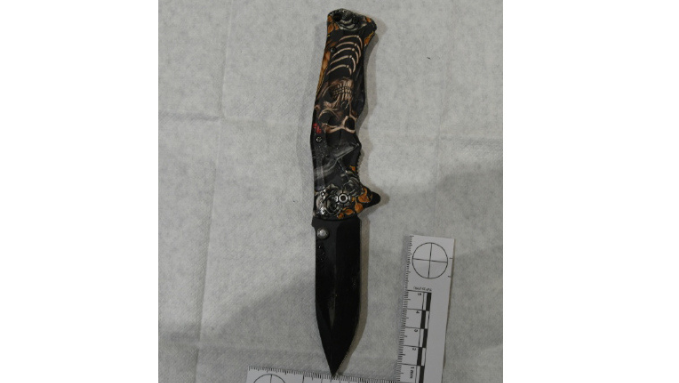
Police recovered a number of items from the couple's car after they were arrested, including a baseball bat, a knife, bottles of alcohol and GBL, and a watch stolen from another victim who survived.
Police say they do not know where they got the poison from.
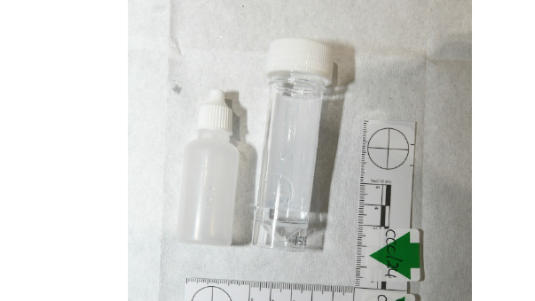
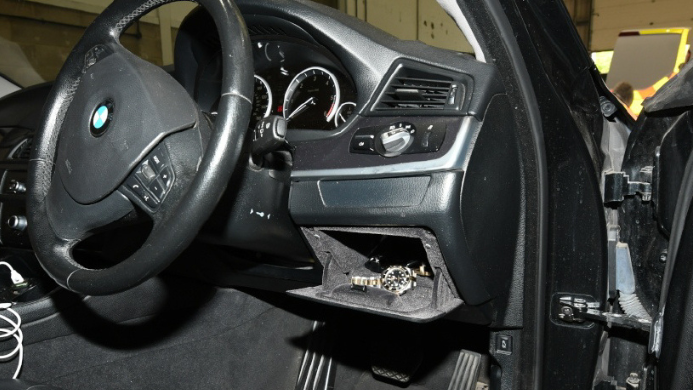
1 of 4
Investigators believe the couple had assumed victims would be too embarrassed to report their crimes.
Roddy said: "A number of the individuals that we spoke to had partners, children, Mihai sometimes came to their family homes."
Even so, officers managed to track down other men they had targeted who had survived being drugged by using phone data.
The two surviving victims cannot be identified due to reporting restrictions.
Charles White, senior prosecutor with the Crown Prosecution Service, said the accounts the surviving victims gave were "very important in establishing the longevity of their operation and also the methodology".
Mihai and Dumitru's crimes extended beyond Oxfordshire and Gloucestershire, and they were arrested in Essex on 31 July.
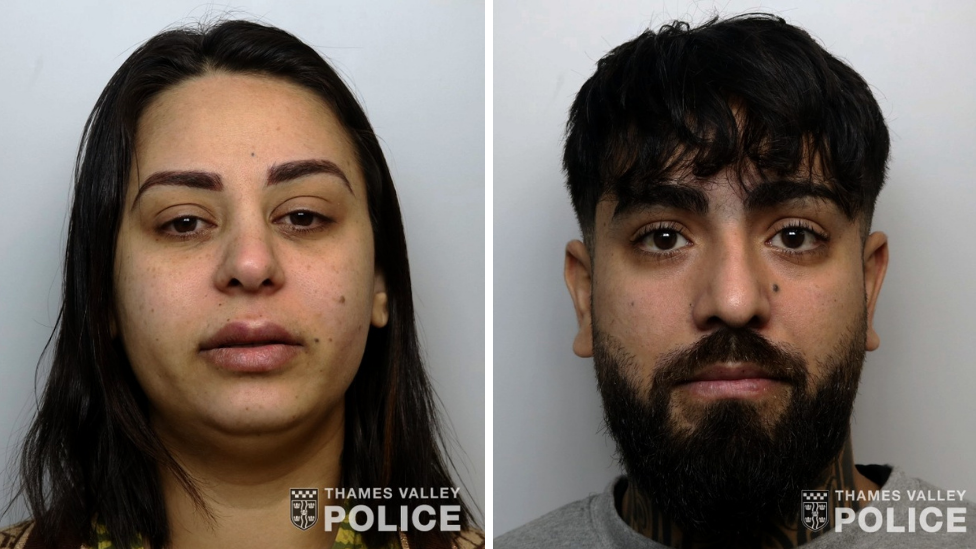
Police believe the pair did not realise they had killed Gary and Malcolm after leaving them unconscious.
Stacey said: "What was very apparent... is that they had no regard at all for their safety, their wellbeing, their aftercare."
At first, the pair denied wrongdoing and were due to go on trial at Oxford Crown Court this summer.
But on the first day of their trial, they pleaded guilty to the manslaughter of Gary and Malcolm, and two counts of unlawfully and maliciously administered a poison - namely GBL - with intent to injure, aggrieve or annoy victims who survived.
White said the pair "didn't have much choice but to plead guilty because of the compelling nature of the case that had been brought against them".
Sentencing on Thursday, high court judge Mrs Justice Brunner KC said: "I pay tribute to the complex police operation across various forces which brought these offenders to justice."
'No room for doubt'
"The question was whether they caused the deaths, in particular, of the two victims who sadly passed away.
"That involved complex scientific evidence."
White said the "principal evidence" was the presence of Mihai's DNA and fingerprints at the two scenes of the deaths.
White added: "There was also a lot of text chat between the victims and Mihai, so all that was recovered from the phones.
"Then there was the automatic number plate recognition evidence of the movement of their vehicle, the cell site evidence of the movement of their phones, and a mass of other surrounding circumstantial evidence which meant there was no room for doubt that these two individuals had attended the scenes of the crime."
Stacey said the investigation involved "many, many painstaking hours picking through material, picking through CCTV, lots of different phone analysis and other intelligence gathering and analysis allowed us to put together a very concise and comprehensive picture of their offending".
The forces also worked with the National Crime Agency to identify other victims.
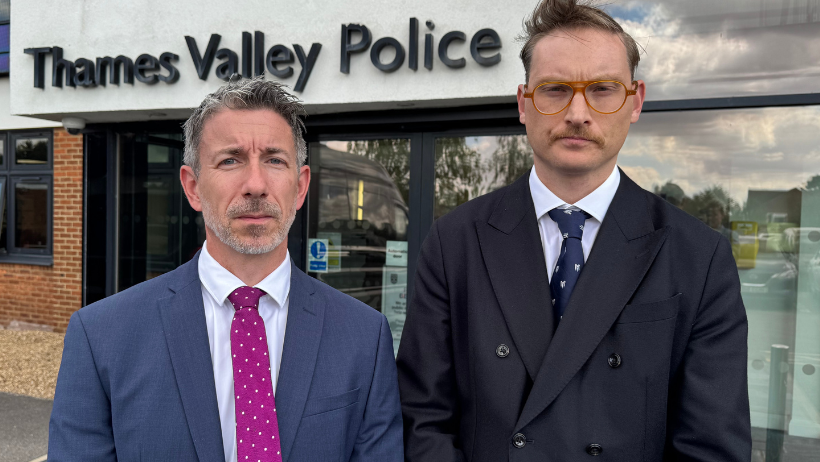
Roddy said he is "almost certain" that there will be other victims.
"I take this opportunity to encourage those people to come forward and I hope that the way that we've treated this investigation will show them how seriously we'll take it," he added.