or me, cycling is therapy. It's calming, meditative and uncomplicated. But there's a catch. To experience the simple joy of riding a bike, you first have to navigate the maddeningly complex process of buying one.
Make no mistake: this is not a straightforward case of marching into Halfords, saying, "One bike, please!" and leaving with a shiny new steed. But, while complicated, it needn't be stressful.
Before you buy, ask yourself three questions: how will I use it? How much am I willing to spend? And what features do I want? Based on your answers, this guide will arm you with what you need to make a confident, informed purchase – no engineering degree required.
To help, I've enlisted two experts: David Arthur, founder of cycling-tech YouTube channel Just Ride Bikes, and Stephen Roche, owner of bike-fitting and custom-build studio the Bike Tailor.
How to buy a bike
What type of bike do you need?
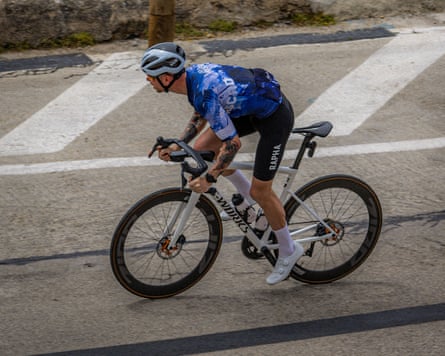
The best bike for you depends largely on where and how you intend to use it. To make matters more confusing, the bike industry is constantly coming up with new types of bicycles. Thankfully, they can all be grouped loosely into one of five main categories.
Best for: running around town
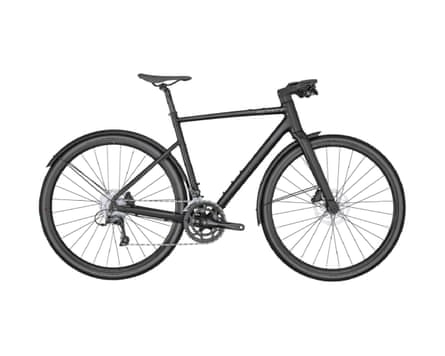
Hybrids fuse elements from road and mountain bikes, prioritising comfort for everyday use. They're popular in urban environments when journeys are short, and speed isn't a primary concern. They're usually among the most affordable options, too. "These bikes are perfect for commuting and casual leisure cycling due to the flat handlebar and upright riding position," says Arthur. "That said, they can feel slow compared with road bikes."
Road bike
Best for: riding farther, faster on paved surfaces
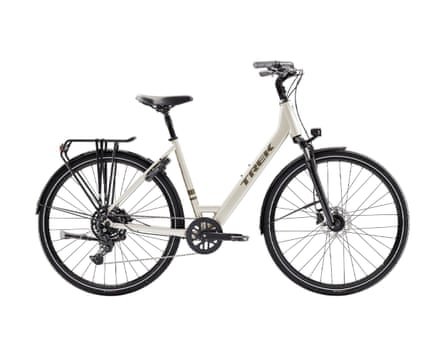
With drop handlebars that allow the rider to get low down and tuck in, road bikes are made to go fast. They're designed for aerodynamic efficiency and low weight, featuring slick tyres that roll smoothly over tarmac. "The downside is that the low-slung riding position can be uncomfortable at first," says Arthur. "The relatively narrow tyres combined with a stiff frame can be jarring on rough roads."
Gravel bike
Best for: hopping between tarmac, towpaths, bridleways and light trails
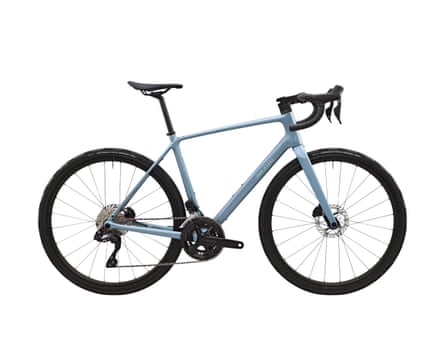
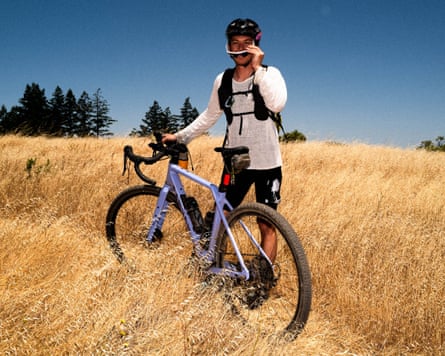
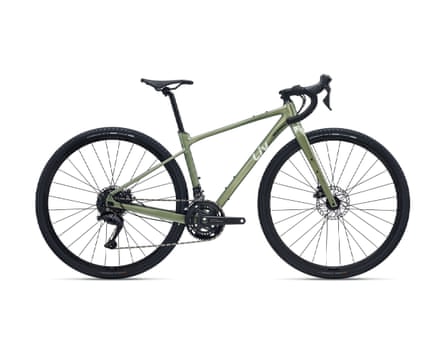
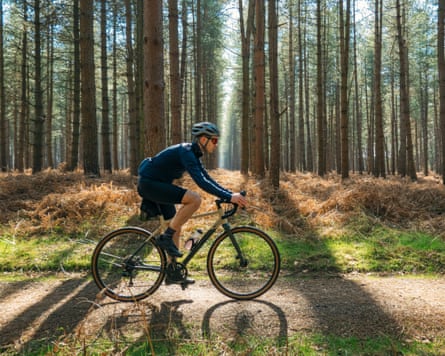
The fastest-growing category in cycling, this relatively new breed of bike is essentially an off-road version of a road bike. It still has the drop bars and fundamental shape, but with wider tyres to grip on rough ground, lower gears for traction on unpaved ascents, and a longer wheelbase for increased stability. "Gravel bikes are designed to handle a variety of terrain," says Arthur. "They're the perfect all-rounders – as at home on country lanes as they are blasting through a forest or tackling the daily commute. The trade-off is they're slower than road bikes on the road and less capable than mountain bikes on the rough stuff."
Mountain bike
Best for: full-blown off-road riding
If you intend to do most of your riding away from roads and paths, a mountain bike could be a good option. They have thick, knobbly tyres for grip on loose surfaces, flat handlebars for increased control, and often feature suspension to smooth out bumps when riding on rough ground. "These comfort-focused features – including easy gearing and a relaxed riding position – make mountain bikes great for beginners," says Arthur. "Unfortunately, big tyres and suspension systems add weight and mechanical complexity."
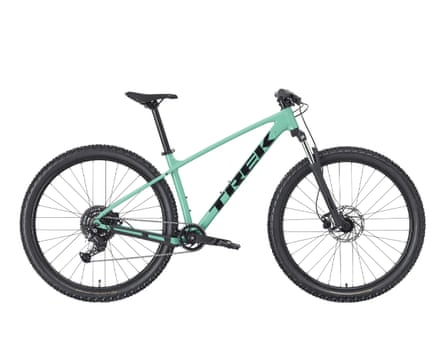
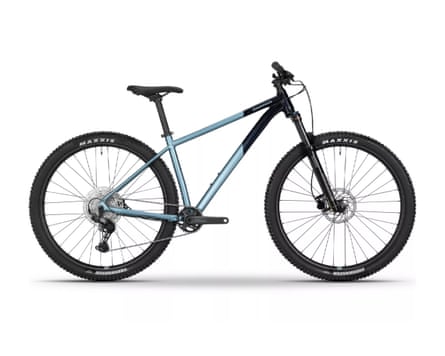
Boardman MHT 8.6 women's mountain bike
Cargo bike
Best for: reducing car use
A cargo bike offers a genuine alternative to travelling by car. These bikes often have a large platform or bucket at the front or rear that can be filled with anything from shopping to children, allowing you to transport large loads with relative ease. "Many cargo bikes have pedal-assist motors too," says Arthur. "But they're expensive and bulky to store, so you'll need the money and the space first."
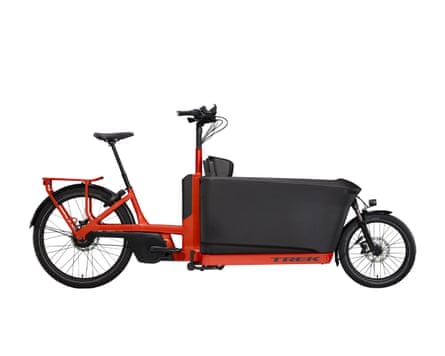
Trek Fetch+ 4 750Wh electric cargo bike
Folding bike
Best for: city living and short commutes
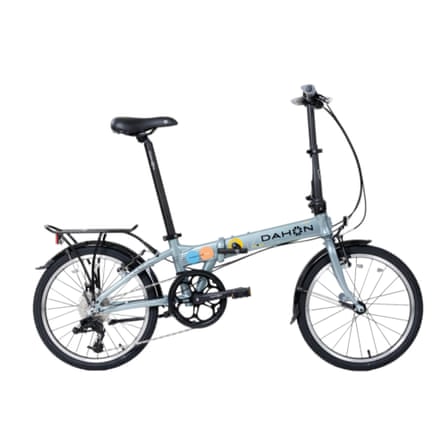
For those without much storage space, housing something the size of a pony isn't realistic. This is where folding bikes come in. With smaller wheels and compact frames, these metal bikes can be packed away quickly when not in use, conserving floor space.
Born in London during the 1970s, Brompton has a well-deserved reputation as one of the most reliable names in the category. Its genericisation has made it a household name, but it is by no means the only option. Dahon, for example, also makes excellent folding bikes, often at a slightly lower price. That being said, if your budget can stretch to a Brompton, it's perhaps worth forking out for the superior build quality.
What else do you need?
Helmets aren't mandatory for cyclists in the UK, but most people still choose to wear one. It can be the difference between life and death if you have a nasty crash. Pick one that's comfortable and adjustable for a snug fit. It should feel secure without any significant movement when you shake your head.
If you're cycling on the road at night, bike lights mandatory. Depending on where you're riding, you'll want them to see and/or be seen. By law, you should have a red light mounted on the rear and a white light mounted on the front. The best bike lights have rechargeable batteries, multiple blinking and static modes, and can be removed or adjusted easily. The Knog Blinder came top in my test of bike lights; this mini set from the same range features a front and rear light.
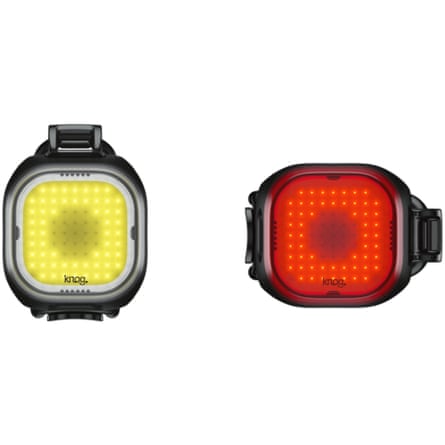
Knog Blinder mini square light
For more, read the safety essentials cyclists won't leave home without
A lock is a good idea if you're using your bike to commute or run errands. The best ones are heavy and cumbersome but provide peace of mind if you're leaving your bike unattended for extended periods. For 10 minutes here and there, something smaller and more discreet will usually do the trick. Wearable chain locks, such as the classic Hiplok, are a good middle ground, as they're portable but still offer robust protection.
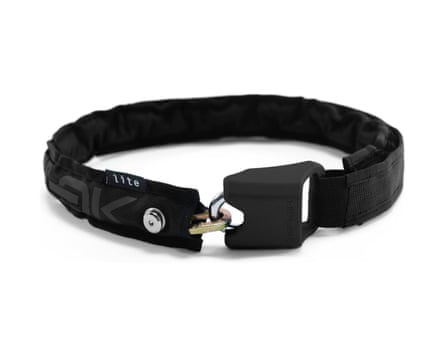
Lite wearable bike lock
For more, read our guide to the best bike locks for every budget
Basic tools
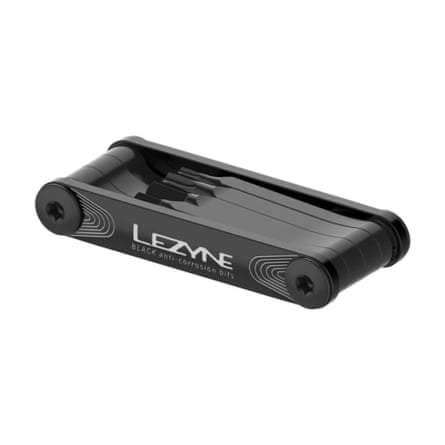
Mechanical issues can and do occur. The basic ones can be fixed at home or even in the middle of a ride, provided you have the right tools. A simple multitool is a cyclist's Swiss army knife. It has several different Allen key heads for making adjustments to the bike, and some of the higher-end ones even include things like chain-link removers. You should also arm yourself with two pumps: a floor-standing track pump for home to inflate tyres quickly and easily, and a mini pump that can be shoved into a pocket, pannier or backpack for adding air on the go.
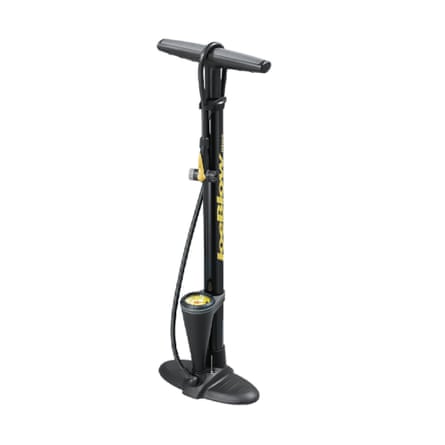
Topeak JoeBlow Max II floor pump
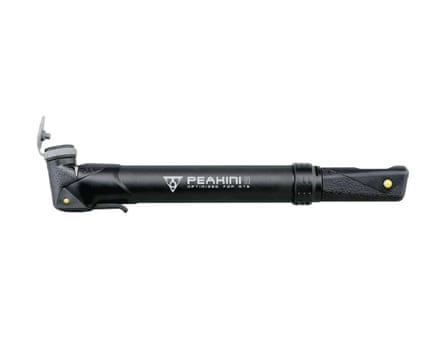
Topeak Peakini II mini pump
A bike's chain, cassette and chainrings (known collectively as the drivetrain) will wear over time, but you can extend their life by keeping them lubricated. Choose a purpose-designed lubricant for dry or wet conditions based on where you ride, and apply it to the side of the chain that contacts the teeth of the cassette and chainrings. Do this approximately every 100 miles, or more frequently in wet weather.
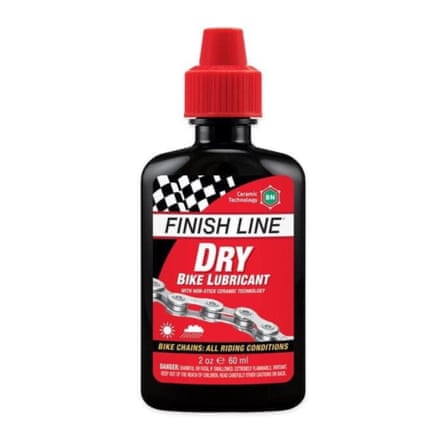
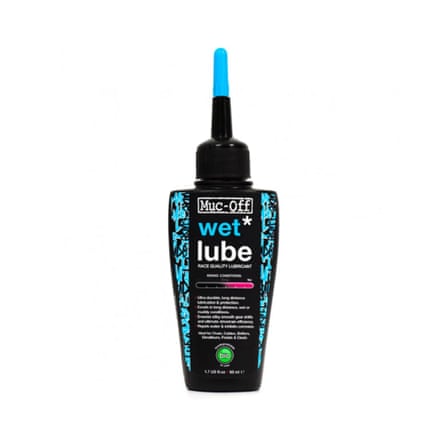
Muc-Off wet weather lube, 120ml
High-visibility clothing is always a good idea if you're riding on roads, but you may even want to consider things like padded shorts and close-fitting jerseys if you're planning to ride longer distances for hours at a time. Padded "bib shorts" or "bib tights" have a soft foamy pad stitched into the seat to keep you comfortable on the saddle for longer.
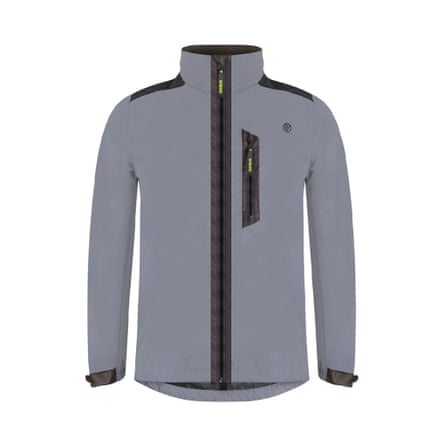
Proviz men's waterproof reflective cycling jacket
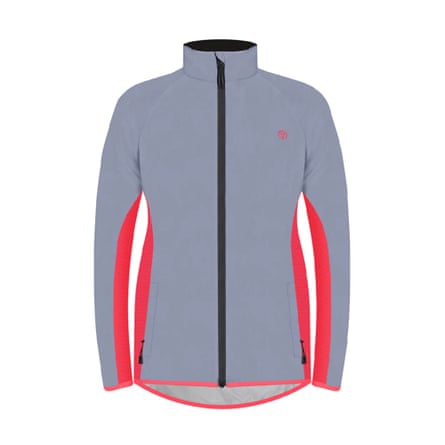
Proviz women's reflective active jacket
How much should you spend?
You can spend as much or as little as you like, but the experience improves noticeably as you move up through the prices … up to a point. The good news is that there are solid options to suit almost every budget. Pricing is a broad spectrum, ranging from a few quid for a Facebook Marketplace clunker to £12,000+ for a Tour de France-worthy "superbike". Your best bet is to aim somewhere in the middle. Here's what you can expect for your money.
There are incredible deals to be had for those bold enough to navigate the used bike market. However, some rudimentary knowledge is essential to avoid a bad experience, so get to know your Sram from your Shimano (if that's a foreign language to you, you know where to start Googling).
Found something that looks like a good fit? Don't just blindly go in offering the asking price. Instead, hunt online for the same bike and see what the going rate was when it was new. You can use that information, coupled with the age and current condition, to determine whether the price is fair or not. Make sure you're comparing models from the same year. If the year isn't stated on the listing, search Google Images for the exact same colourway, as manufacturers tend to change these annually. If you can find one the same, chances are it was made at the same time.
A word on carbon: any used bicycle comes with the possibility of hard-to-spot structural damage, but the risk is greater with carbon. This material is strong and lightweight, which has made it the go-to for high-end bikes, but it can fail catastrophically if cracked even slightly. The trouble is, such cracks are often barely visible, so you'll need to conduct a thorough inspection, looking for deep scratches, flaking paint or any other suspicious signs. If in doubt, you could always pay a professional mechanic to check it for you.
In terms of where to buy, local bike-specific Facebook sales-and-wants groups often yield the best results: do a bit of digging to find the best ones in your area. Alternatively, eBay can be a safe bet, or, better still, spend a day visiting local bike shops to browse in person.
At the bottom end of the price scale, you're looking at basic entry-level bikes built with affordability in mind. Options in this bracket will be mostly low-grade aluminium or steel with budget components, such as mechanical brakes as opposed to more powerful hydraulic brakes. As a result, they'll probably be heavy and clunky to operate. Plus, cheap parts tend to wear out faster. That's fine for short, occasional miles or getting a feel for cycling, but if you want to spend hours in the saddle, you may find yourself shopping for an upgrade sooner rather than later.
Expect lighter aluminium frames and entry-level shifting-and-braking components (known collectively as groupsets) from reputable, industry-standard brands such as the aforementioned Shimano and Sram. Closer to £1,000, this may include hydraulic disc brakes, which provide superior stopping power, wet-weather performance and control when compared with their mechanical counterparts. This is a good place to aim for most people looking for a solid bike for commuting and leisure who aren't concerned about having the "fastest this" or the "lightest that".
Carbon fibre begins to creep in here – if not the full frame, then possibly fork and/or seatpost. Bikes in this bracket will generally be lighter and provide a noticeably smoother ride thanks to better-quality components, such as wheels, tyres and groupsets. Speaking of which, respectable mid-range shifting can be found easily for this sort of money, such as Shimano's bestselling 105 system – affectionately referred to by some as "the groupset of the people" – which is renowned for offering excellent bang for the buck.
This is where things get serious. These are mid- to high-end bikes, probably featuring full carbon-fibre frames, premium groupsets, carbon wheels and possibly even electronic gears. On mountain bikes in this bracket, you should expect full suspension, and for cargo bikes, you'll probably see mostly motor-assisted options.
What should you look for?
Frame material
Aluminium, steel, carbon and titanium: these are the four most common frame materials, and each comes with its own benefits and drawbacks.
"Carbon fibre is the most desirable material in cycling due to its low weight, stiffness and strength, but it comes with a premium price," says Arthur. "But aluminium should not be ignored. It's more common at lower prices, and it offers the best value for beginners."
Steel and titanium are good options, too. Both are easy to repair, but where steel is affordable and heavy, titanium is expensive and light.
It's easy to fall down a rabbit hole when trying to understand gears, but don't get too caught up in it. Unless you're a professional road racer, ignore the fancy stuff and focus on fuss-free functionality.
"Don't be swayed by flashy top-of-the-range electronic groupsets," says Arthur. "A lot of cheaper groupsets still offer exceptional performance, and their simplicity leads to lower maintenance and cheaper replacement parts when things do eventually wear out."
Broadly speaking, wide, knobbly tyres inflated to low pressures provide cushioning and grip on uneven ground, while narrow, slick tyres inflated to higher pressures are faster and more efficient on paved surfaces. Consider where you'll be riding and which you value most: comfort or speed. Choose your rubber accordingly.
Brakes are a divisive topic in the cycling world. Rim brakes, which work by gripping a braking surface on the outer edges of the rim, used to be the default. In recent years, they've been usurped by disc brakes, which use a rotor attached to the wheel's hub. Many purists swear by rim brakes, praising their low weight and simplicity. But when it comes to pure stopping power, disc brakes win.
Disc brakes come in two forms: mechanical and hydraulic. Mechanical disc brakes are cheaper and operate with a cable mechanism. Hydraulic disc brakes are more expensive and use hoses filled with brake fluid – much like the brakes in a car.
"If your budget allows for an upgrade to hydraulic disc brakes, it's worth spending the extra money," says Arthur. "They offer far superior braking performance in all weathers and can genuinely boost confidence when riding fast."
Most brands provide a chart to give you a loose idea of what size to go for based on certain measurements, but it's always best to sit on different options before making a decision. The Bike Tailor's Stephen Roche agrees, adding that you should know your measurements – height and inseam at a minimum – before you start shopping.
"You can also look at the bike measurement known as reach," he adds. "This is the horizontal distance from the bottom bracket to the top of the head tube. If you find that your arms are outstretched and you're bending from the neck, you probably need a smaller frame size."
Another option, Roche suggests, is to pay for a professional bike fit. "It takes any guesswork out of the equation."
For more, read:
The best bike lights to see and be seen
The best bike panniers and handlebar bags
How to make your bike last longer
Paddy Maddison is a consumer journalist, outerwear enthusiast and exercise addict. If he's not hiking in the hills, he's grinding up them on his bike, hurtling down them on his snowboard, or lacing up his running shoes and hitting the pavements. As a result, he gets plenty of time to put all the latest and greatest gear through the wringer for the Filter