Consumers could be paying extra for omega-3 supplements labelled as “high strength” that contain surprisingly low levels of the key active ingredients, according to an investigation by consumer watchdog Which?.
Which? nutrition experts analysed 24 omega-3 supplements against guidance from the Scientific Advisory Committee on Nutrition (SACN), which recommends an average daily intake of 450mg of the omega-3 fatty acids EPA and DHA.
For its assessment, Which? used a benchmark of 1,000mg of combined EPA and DHA for products marketed as “high strength” and found that several of these supplements contained less EPA and DHA than the recommended daily intake.
The watchdog said that in some cases, consumers could pay double the price for products containing no more active omega-3 than cheaper alternatives.
All of the retailers involved said their product labelling complied with the Nutrition and Health Claims Register.
So, what exactly are EPA and DHA, and why are they important? We spoke to Dr Sarah Schenker, registered nutritionist and dietitian, who explained what omega-3 fatty acids are, the role they play in maintaining health, and the best food sources for increasing your intake naturally.
What are the different types of omega-3 fatty acids, and why are they important?
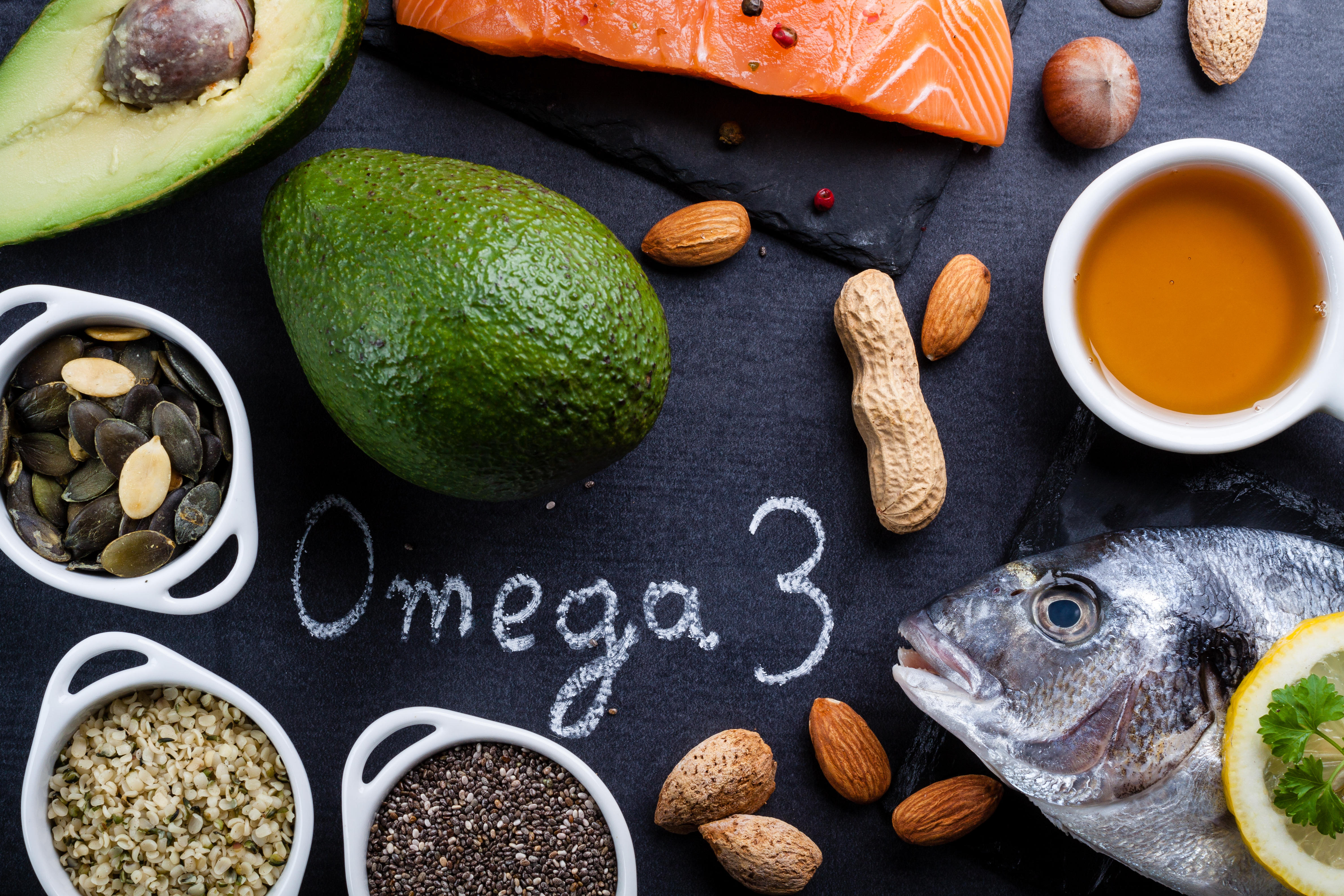
“Omega-3 is a type of fatty acid that helps support your heart health, maintain normal brain function and eye health, and reduce inflammation,” says Schenker.
“There are lots of different types of fatty acids, and according to their structure, they can be omega-3, omega-6, omega-9, and the number relates to the position of what we call double bonds.”
There are three main types of omega-3 fatty acids: ALA (alpha-linolenic acid) and EPA (eicosapentaenoic acid) and DHA (docosahexaenoic acid).
“Our body cannot make ALA, an essential omega-3 fatty acid, on its own, so we get it from plant sources such as chia seeds, walnuts, hemp seeds, flax seeds, soybeans and rape seed oil,” says the dietitian.
“Whereas, oily fish is the main food source of EPA and DHA, which are important long-chain omega-3 fatty acids.”
Here are some of the best food sources of omega-3 fatty acids to add to your next shopping list…

“Keep it simple with smoked salmon,” recommends Schenker.
“If you’re looking for something easy for lunch, smoked salmon in a bagel or a sandwich is a good option. Smoked salmon also goes really nicely with scrambled or poached eggs.”
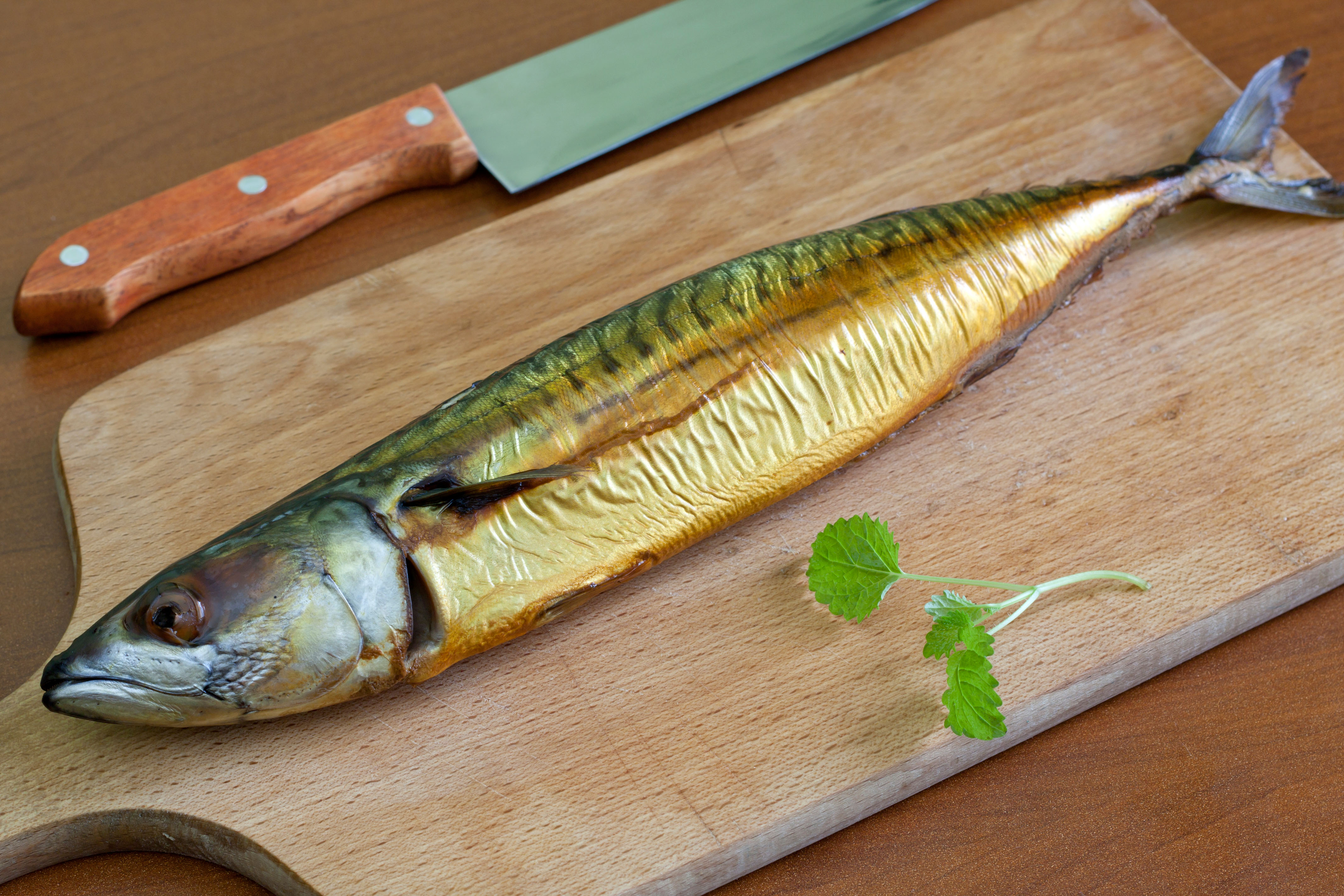
“Mackerel is also a great source of omega-3 and smoked mackerel just comes in a packet that you can add to a salad,” says the dietitian.
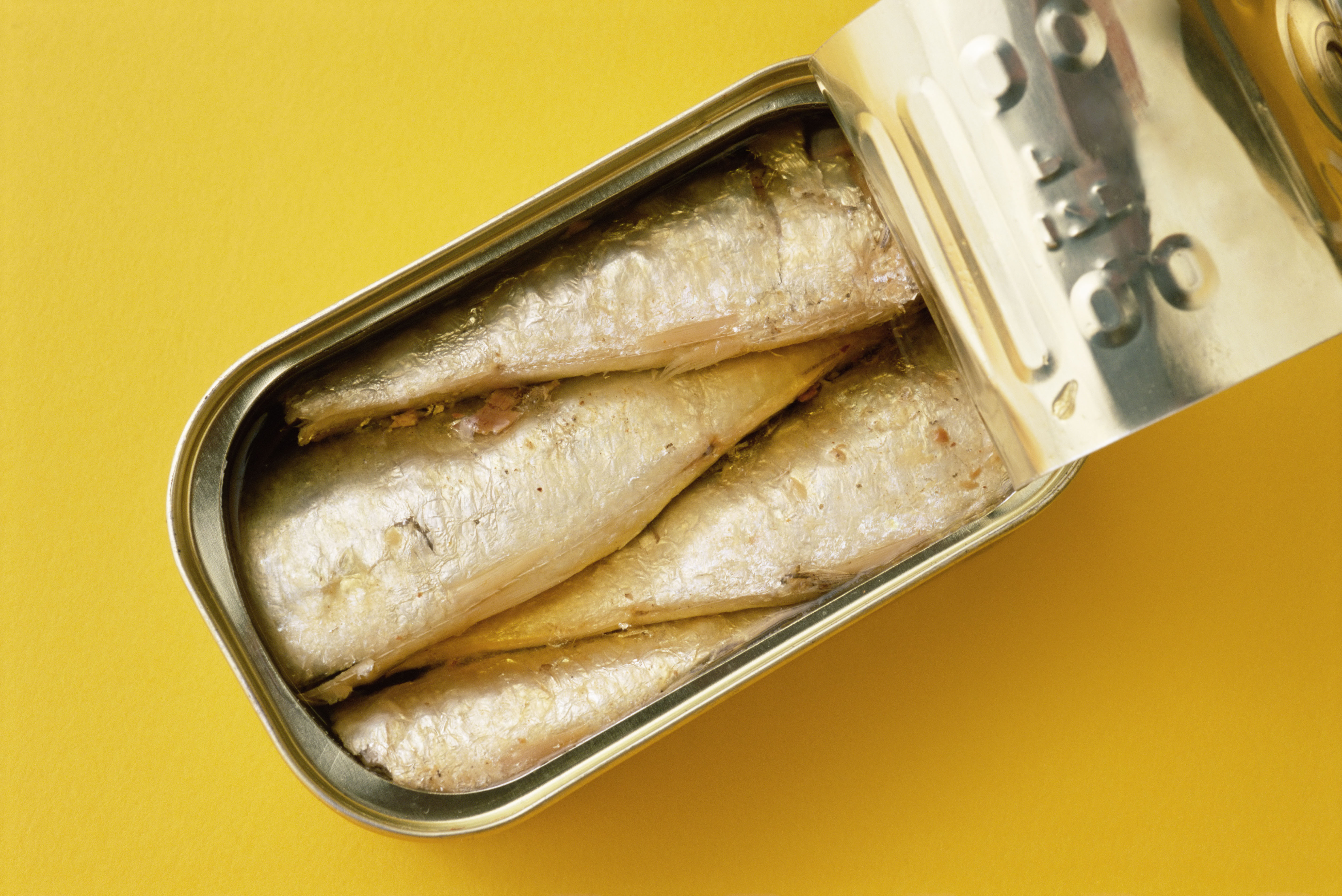
“A tin of sardines is pretty cheap and there’s lots of things you can do with them,” says Schenker. “Some people like to put them in tomato sauce or to have them on toast.”
You can also make a fast, healthy, and creamy dip using canned sardines.
“If you get sardines in oil, you can mash them together with a little bit of soft cheese and make a nice dip,” suggests Schenker.
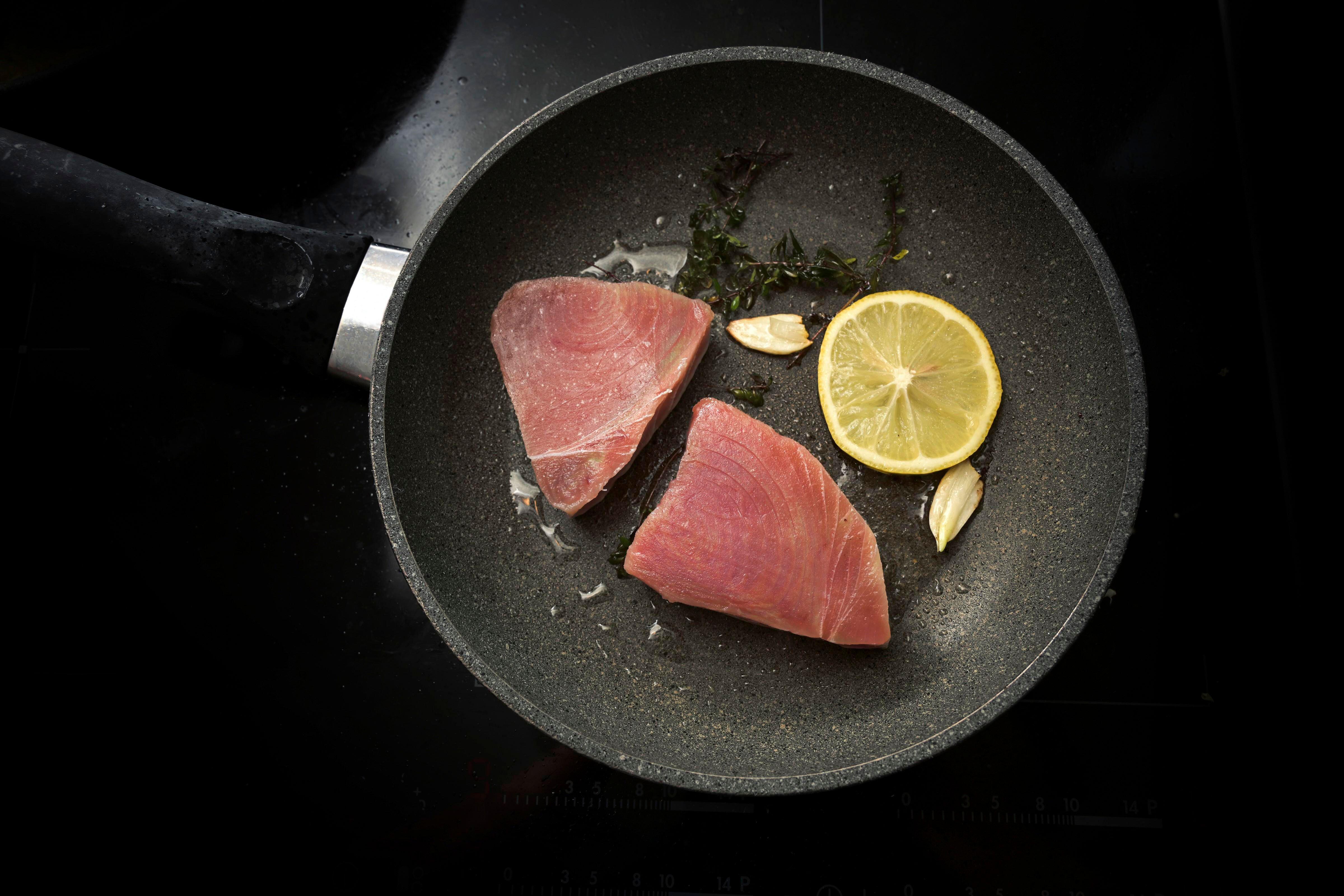
“Fresh tuna can be expensive, but it can be nice to have once in a while,” says Schenker. “Tuna steaks are pretty easy to cook as you can just pan fry them on one side for two minutes and then turn them over and do the same thing on the other side.”
Edamame beans
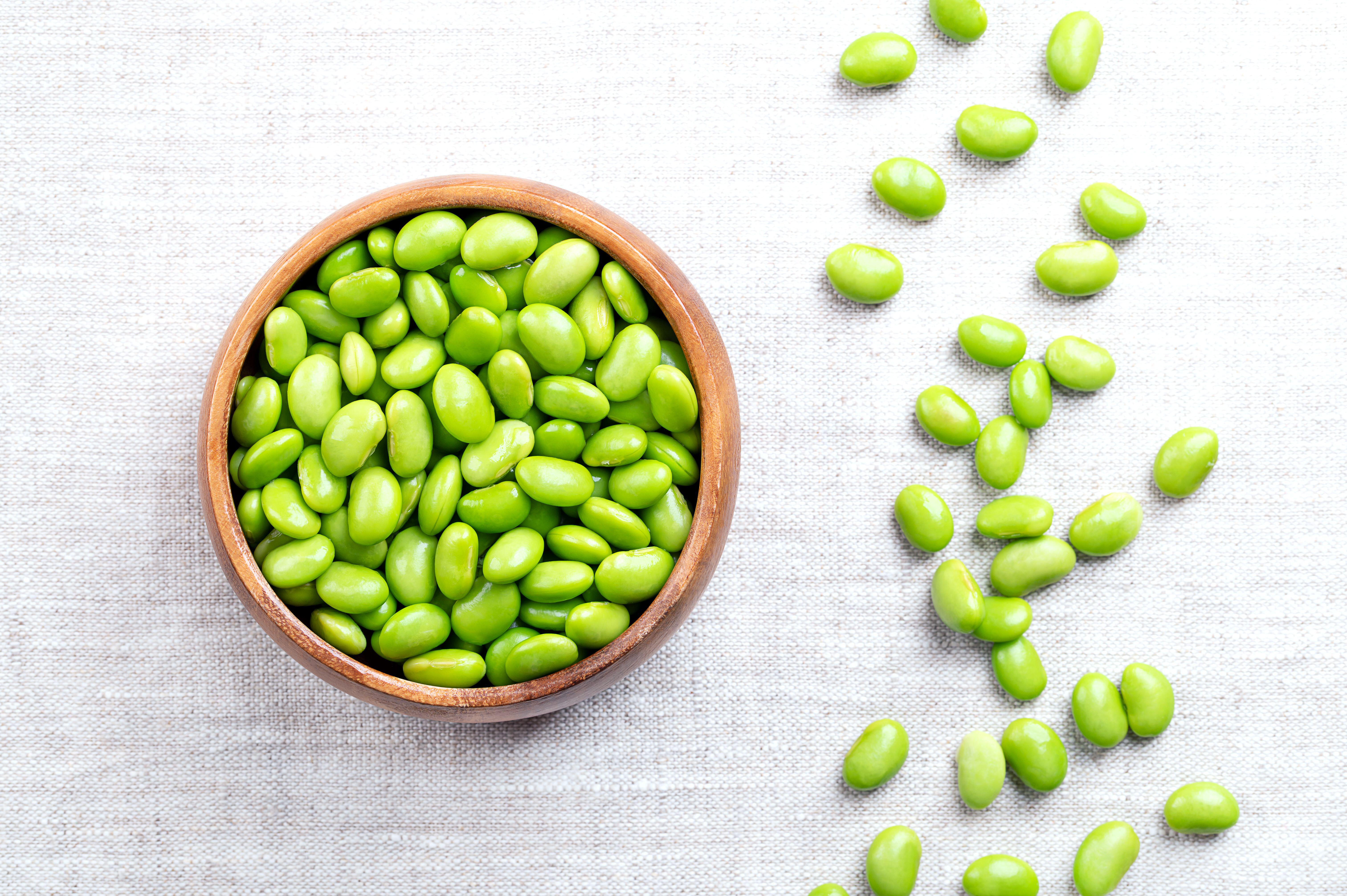
“You can buy edamame beans from frozen and just chuck a handful into a stir fry, a salad or a soup,” recommends the dietitian.
Chia seeds
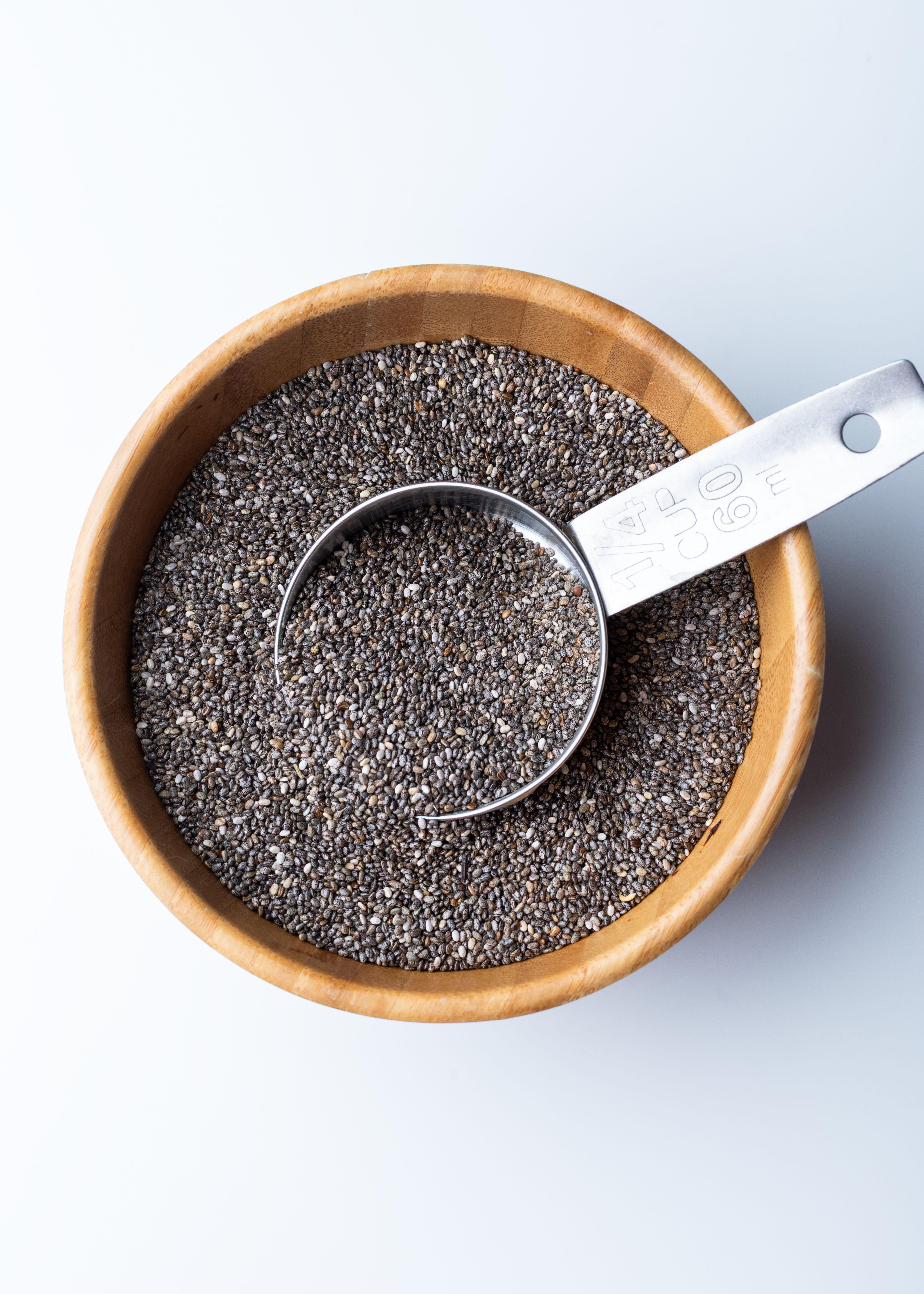
“Chia seeds can be expensive, but if you shop around you should be able to find a big bag of them in an international supermarket for a lower price,” says Schenker.
“You could soak them in yoghurt overnight which makes them swell up and makes a nice filling breakfast.”
Flax seeds
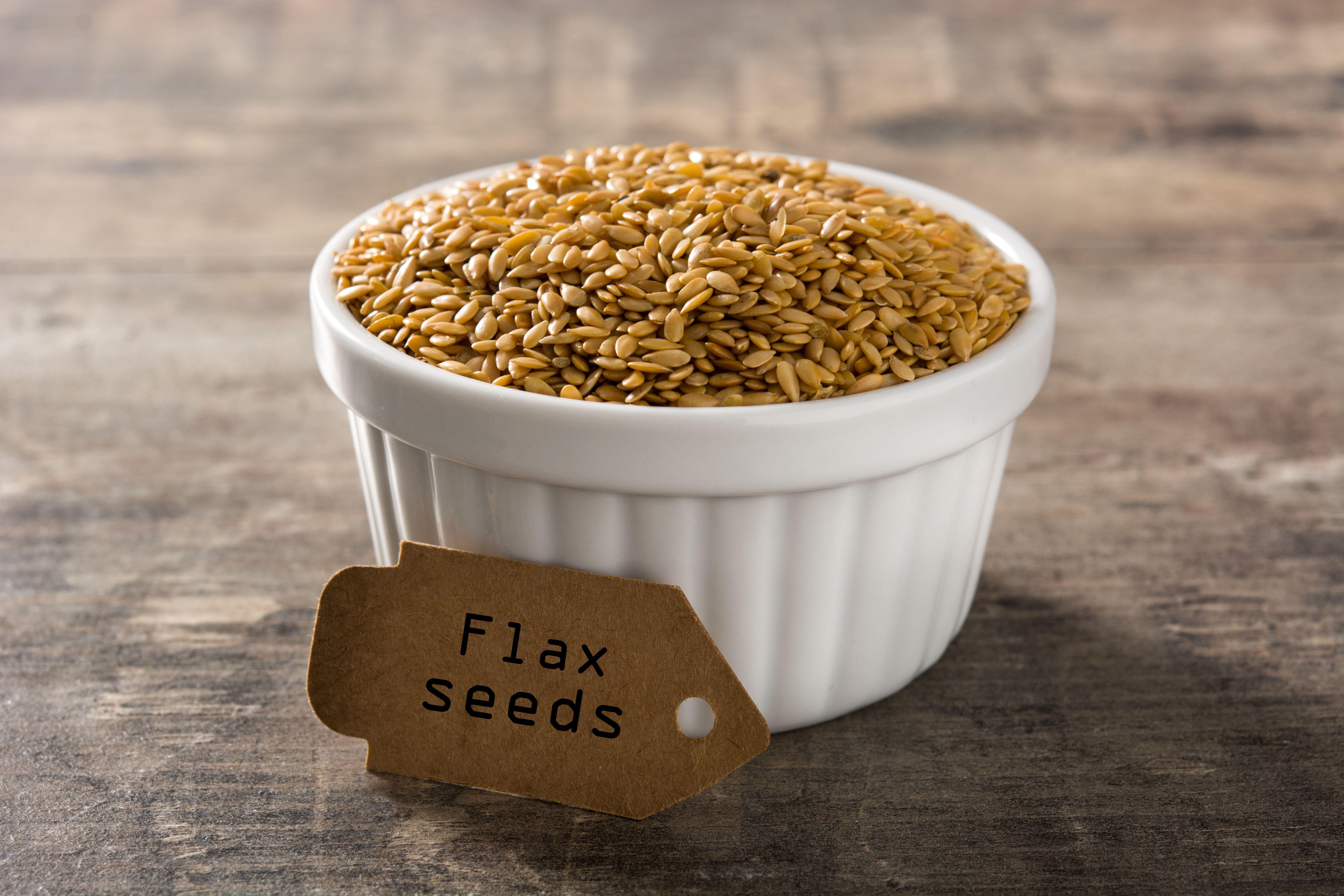
“You could stir flax seeds through your yoghurt or muesli for breakfast,” suggests the dietitian.

“A handful of walnuts are a good thing to have as a snack,” says Schenker.
Using walnuts to make a muhammara dip is also a great summertime snack.
“You can make a delicious dip with a small handful of breadcrumbs, walnuts, roasted red peppers, pomegranate molasses and olive oil,” recommends Schenker.
“That will keep in the fridge for a few days, and you can just have it with crackers or as an accompaniment to whatever you might be eating.”
Fortified products
“There are also foods that are fortified with omega-3, so you could look for some of those,” says Schenker.
“For example, you can buy eggs that have come from hens that have been fed an omega-3 rich diet and you can even get fish fingers and butter that have been fortified with omega-3.”