The rain may be returning, but lack of it this summer and the accompanying hosepipe ban are likely to have resulted in many lawns resembling the colour and texture of straw.
Don’t despair, because lawns should recover, although there could be problems to tackle.
Badgers may be digging holes in lawns to hunt for protein-rich food sources such as chafer grubs and leatherjackets active under the surface, while other diseases such as red thread and fusarium could develop.
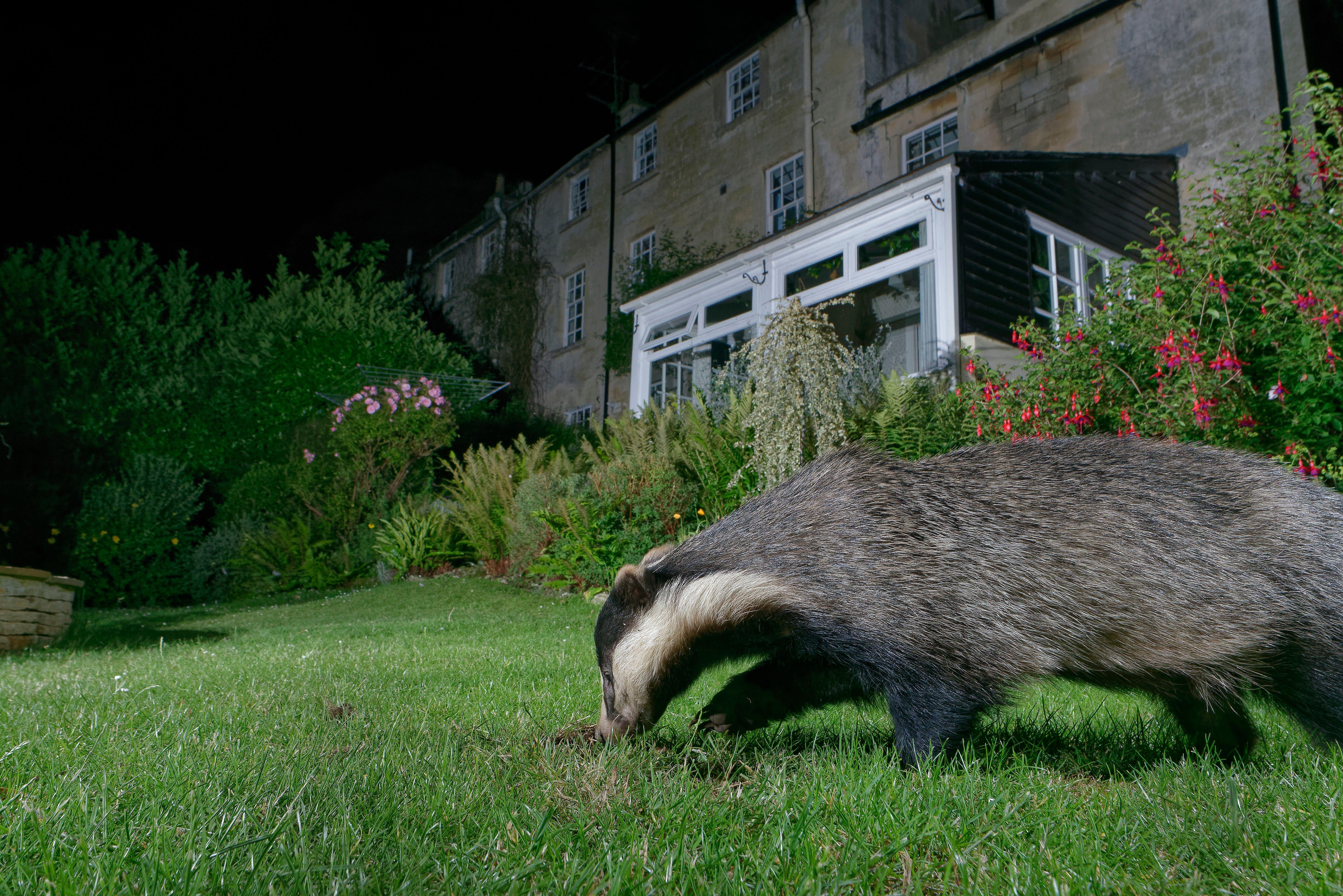
Yet leatherjacket populations may have gone down because of the dry weather, says David Hedges-Gower, founder and chairman of the Lawn Association.
“They will have struggled to grow quite as much as normal because the ground was so dry, and may not have hatched in the first place, so it could actually work in a different way than we anticipate with pests.
“It’s almost like the hard frost that we used to get. This could have almost starved them and reduced the population.”
So, how can we revive our lawns?
Create air space
“Depending on the variety of grass, the recovery will come as soon as the rains come. But we do have old plants within a lawn which may not survive, so there will be a little bit of possible plant damage on the surface, but the other problem is when the soils shrink.
“You lose air space in there and the only thing we can do is try and rebalance what nature has just squeezed out by adding some more air.”
This should not be done with garden forks, as is often advised, he stresses.
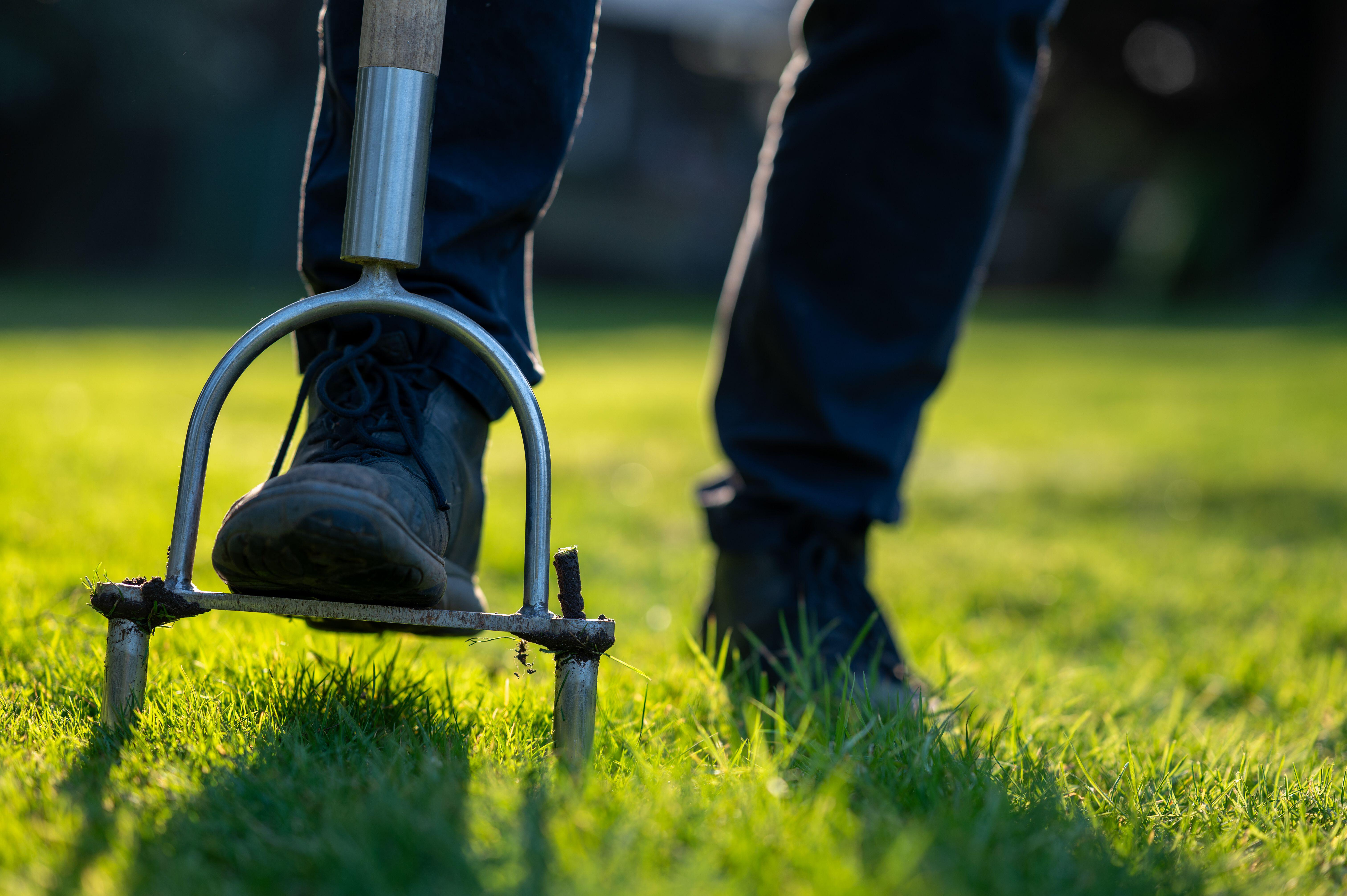
“Garden forks add a little air but they also compress the soil as the solid fork goes into the ground. You’ve got to remove plugs (of soil) so that the ground can collapse into that and then lets the soil breathe and creates cracks and fissures for new roots to strengthen back down again.”
Use a hollow tine aerator – which is like a garden fork with a hollow tube and removes a cigar-size plug, which allows the ground to collapse in and breathe, he explains.
Allow the ground to soften before attempting to change the soil structure, so don’t complete these jobs until October or November, but do try to do it before winter sets in, he advises.
Feed the lawn
Once the rains have softened the ground, feed your lawn, Hedges-Gower advises.
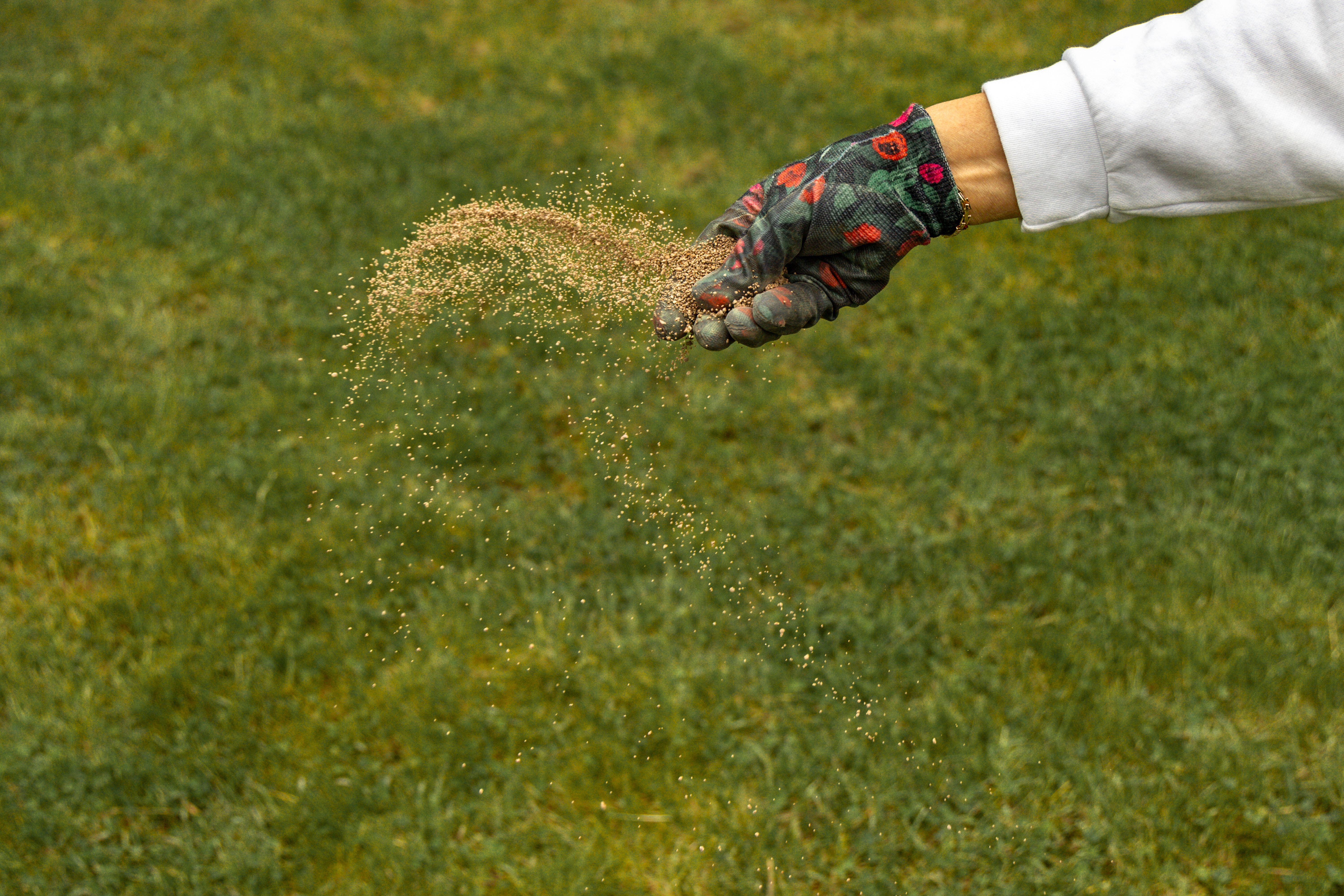
Put a sensible organic feed on the lawn and more than normal could actually help the recover, he says.
Tackle turf diseases
Red thread and fusarium are the main problems, he says. Red thread is a fungal lawn disease that creates brown patches when it’s hot and wet, and when there is intermittent rainfall.
“It’s a bit like a pink mycelium on the leaf blades. It doesn’t kill the plant, it just kills the odd leaf blade or discolours it, which is not as big a problem as people think.
“Sometimes you can feed it out, or you just let it grow out, but the more you feed a lawn and it rains, and if we get fluctuating temperatures, the more it’s liable to appear,” he says. “It’s an eyesore to a lot of people.”
He says don’t take any action for red thread.
“If you mow your lawn too much or rake it, you’ll spread the spores and it will just get worse.”
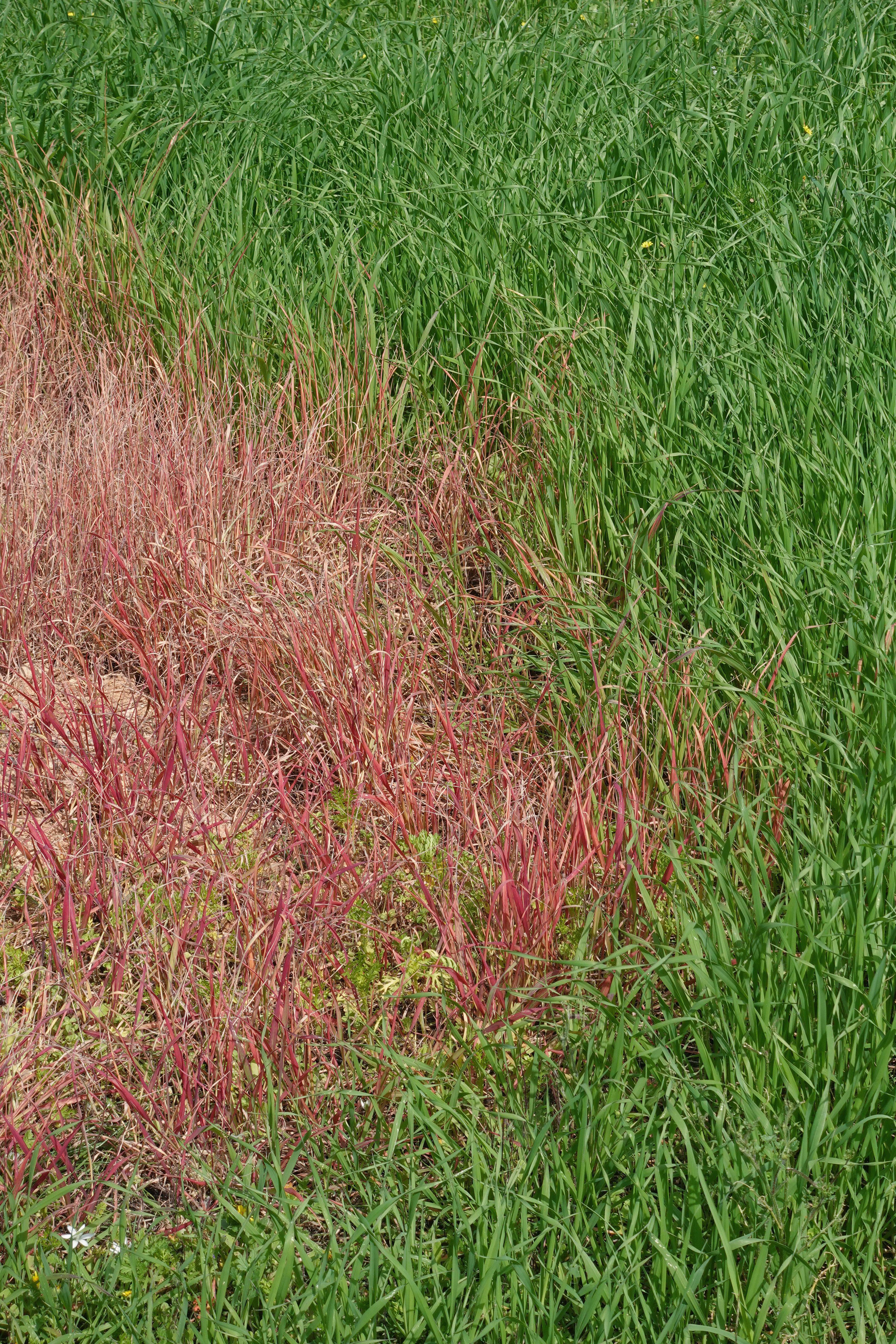
Fusarium is another disease that kills lawns, but generally you don’t see it until Christmas. It’s sometimes very noticeable after thaws of snow, according to the RHS, which is why it is also known as snow mould, and is particularly troublesome on annual meadow grass but can also damage bents, fescues and perennial rye grass.
Ideal conditions include persistent humidity, consistently damp grass blades and high nitrogen levels in the soil.
Overfeeding too late can cause it, as the temperatures get cold in November, Hedges-Gower explains.
“You don’t normally feed a lawn after November and even now you want something with very low nitrogen (content).”
It starts as small orangey-brown coloured spots about the size of an egg cup, which then spread to become larger lifeless circles, often merging to damage the lawn further.
Once the lawn has fusarium, there’s not much you can do, says Hedges-Gower.
“All diseases feed off moisture, so the best you can do is put a moss-control product down on its own, which dries the leaf blade up and gives the disease less food to thrive off.”
He advises against walking on the lawn, which can spread the disease, or mowing it.
Be aware of pests
“The worst pest is the chafer grub (the larvae of chafer beetles). They go very deep in the soil when they are older, but when they’re young they sit near the surface and eat your roots or your grass and kill it.”
They have stout white bodies curved in a C shape, light brown heads, with three pairs of legs at the head end.
Symptoms include yellow patches in the lawn, but animals which eat chafer grubs – including badgers, foxes and birds, particularly members of the crow family – can cause a lot of damage to lawns, tearing up the turf to access them, says the RHS.
“If a badger’s actively digging into the lawn, it generally means the grubs are moving in the ground because that’s what they sense,” Hedges-Gower explains.
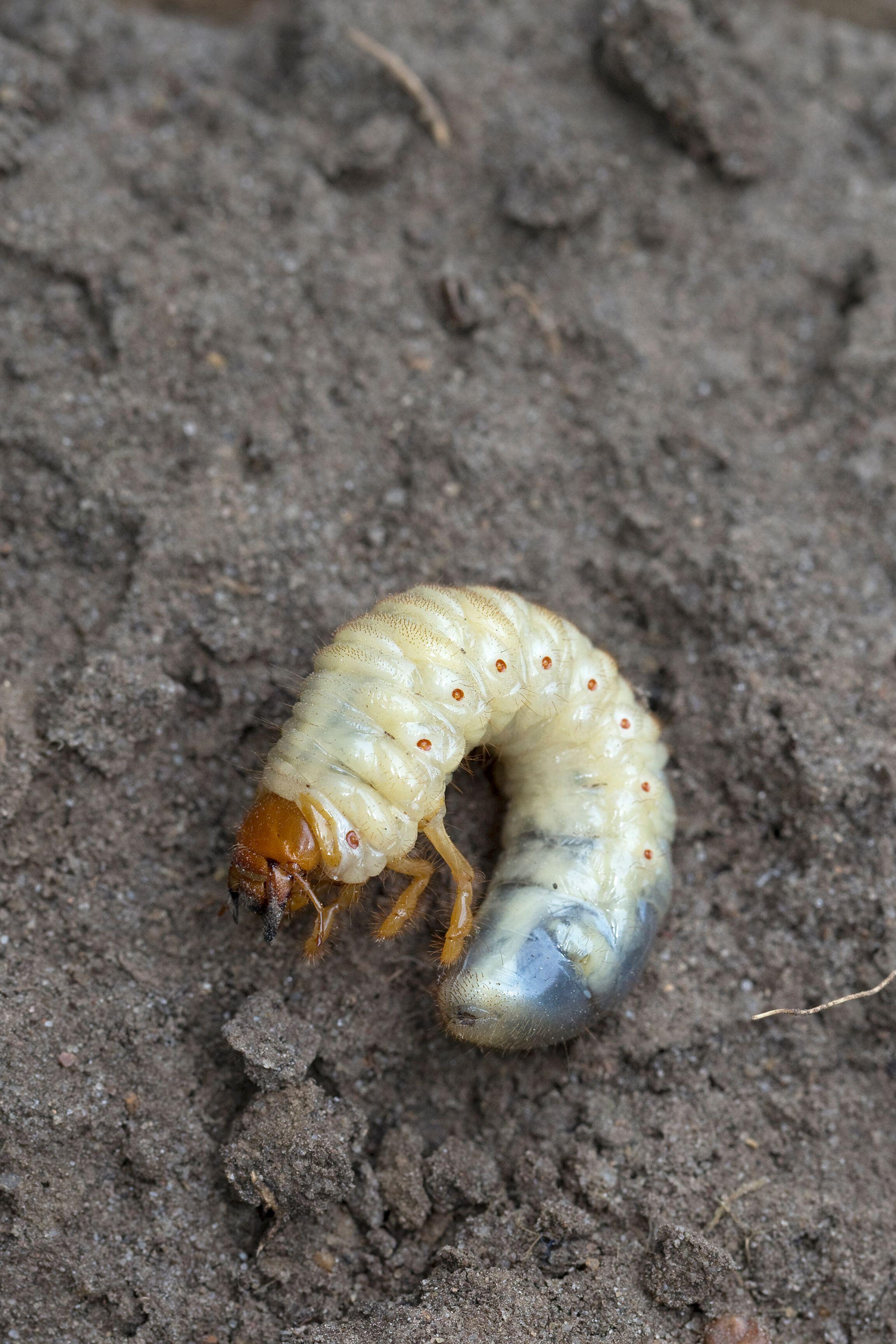
To manage chafer grubs, you can buy pathogenic nematodes (available from biological control suppliers) which kill the larvae by infecting them with a bacterial disease. The nematodes can be watered into the lawn when the ground is moist and the soil temperature is between 12-20C, says the RHS.
At the end of the day, don’t worry too much about your grass recovering, says Hedges-Gower.
“Lawns have done this for hundreds of years. They are pretty adaptable, pretty resilient and will often come back stronger. Be patient and let the rain do the recovery.”