
Want to bookmark your favourite articles and stories to read or reference later? Start your Independent Membership today.
Join todayAlready a member? Log in
More than nine million households are heading into winter either in debt to their energy supplier or with no account credit, according to a survey.
Research by Uswitch indicates that two in five households (40 per cent) feel more anxious about paying for energy this winter compared with last year.
Direct debit payments are designed to allow customers to build up credit during summer to cover higher winter energy costs.
However, just 55 per cent of billpayers are in credit this year – down from nearly two-thirds (64 per cent) in 2022.
Even among households in credit, only three in 10 (29 per cent) have saved £300 or more, with the typical billpayer holding between £51 and £100.
It comes as energy bills are forecast to see the biggest hike in four years.
Experts warned a typical bill could soar by nearly £300 in January due to the Iran war.
Almost half (43 per cent) of billpayers plan to wear extra clothing instead of turning on heating, and one in 12 (8 per cent) plan to spend less on food to cover energy costs.
Ben Gallizzi, energy spokesman at Uswitch.com, said: “Credit is the cushion that turns a frightening winter bill into a manageable one, but for millions, building a summer buffer for the winter simply hasn’t happened.
“With the price cap forecast to jump by around a quarter in January, it is no surprise that worry is climbing. Nearly a quarter of people feel there is nothing they can do, but a few simple actions could make a huge difference.
“If you are deeply in arrears on your energy account and not sure what to do, speak to your supplier early and ask for an affordable repayment plan. Find out if you could be entitled to support.
“If you are on a standard variable tariff, it’s not too late to act. There are fixed deals on the market well below the predicted January cap.”
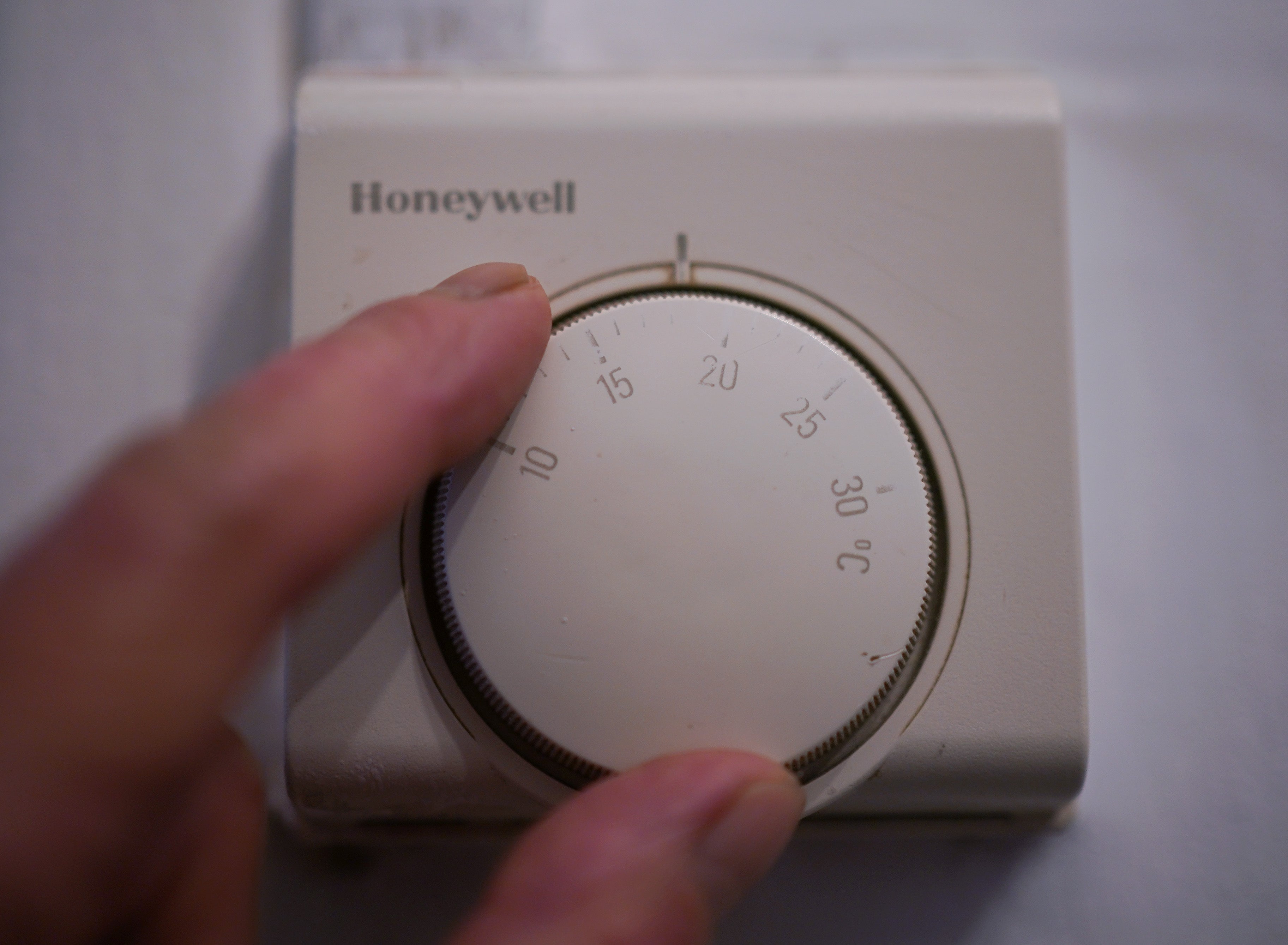
Around 3.4 million households – nearly one in eight – are currently in debt to their supplier, owing a collective total estimated at £750 million, or £220 on average.
While two-thirds of indebted customers (65 per cent) say their provider has contacted them about their arrears, only about one in eight (12 per cent) report receiving help to arrange a repayment plan.
The survey comes after Ofgem’s energy price cap rose by 3.6 per cent to £1,723 for a typical household on October 1, with forecasters predicting another 22 per cent increase in January.
The findings come as Citizens Advice warned that another rise in energy bills would hit working families and disabled households particularly hard.
It has called on the Chancellor to use next week’s Budget to commit to additional “crisis support” on top of the Warm Home Discount this winter, and expand help to people in receipt of child benefit and personal independence payment (Pip).
The charity said this would protect disabled households and those with children who need help over the coldest months of the year but currently fall outside the means-tested benefits criteria.
Citizens Advice chief executive Dame Clare Moriarty said: “Our advisers are seeing disabled workers weighed down by massive energy debts, and parents who are working but still unable to cover the costs of basics for their family. That’s why we’re calling for a vital two-step approach this Budget.
“First, the government must provide immediate, expanded crisis support. Second, it must deliver on its existing commitments to upgrade leaky, cold and inefficient homes by fully funding the Warm Homes Plan.
“The government has promised to protect living standards, but failing to act on both these fronts risks causing immediate, avoidable hardship now and in future winters, for those who can least afford it.”