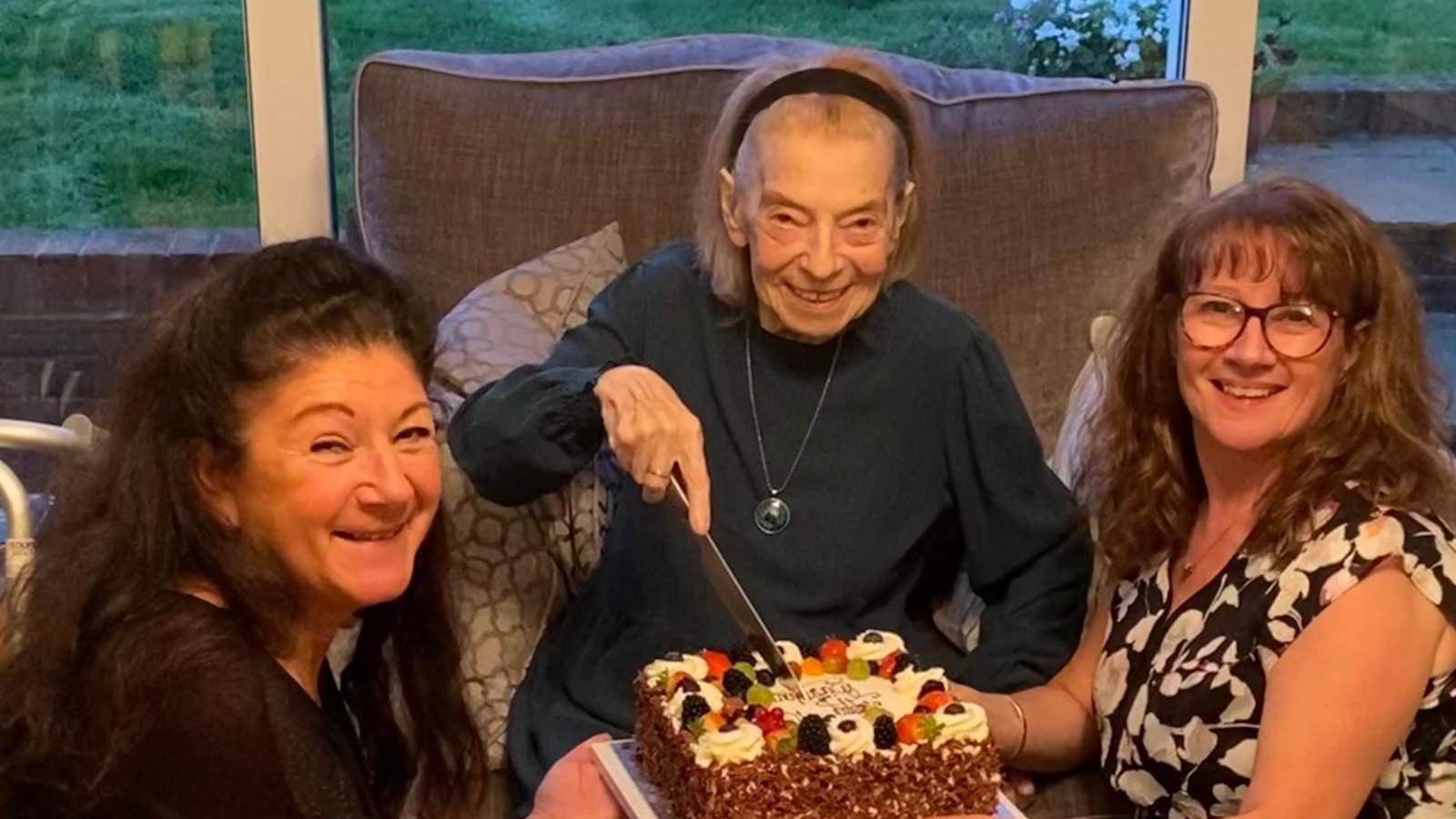
The daughters of a 91-year-old woman who died after contracting Legionnaires' disease at her care home have called for more rigorous checks in residential facilities for the bacteria because her death "could have been avoided".
Rhoda Freedman, from Ilford, London, moved to live in Wensley House Care Home in Epping, Essex, in 2023 and died at Princess Alexandra Hospital in Harlow on 13 May 2024.
Legionnaires' disease is a serious lung infection transmitted by inhaling droplets of infected water.
Rhoda's daughters, Aileen Pearl and Irma Harmsworth, said they were "shocked" and "disappointed" by their mum's death as it was "totally preventable".
Harmsworth, a retired admin worker who lives in Billericay, Essex, said her mum had chosen to move into a care home after her legs began giving way.
Rhoda, who was deaf and a wheelchair user, had several health conditions that were all controlled with medication.
Harmsworth said: "She had medication but there was nothing that we expected to shorten her life.
"She was absolutely fine until then."
Pearl said her mum was happy at Wensley House and they had decorated it to match her living room in her London home.
Pearl said: "That's when they told me she had contracted Legionnaires' disease, which was such a shock, you don't tend to hear of it in this day and age because it's totally preventable.
"It is very disappointing, it is something that could have been avoided."
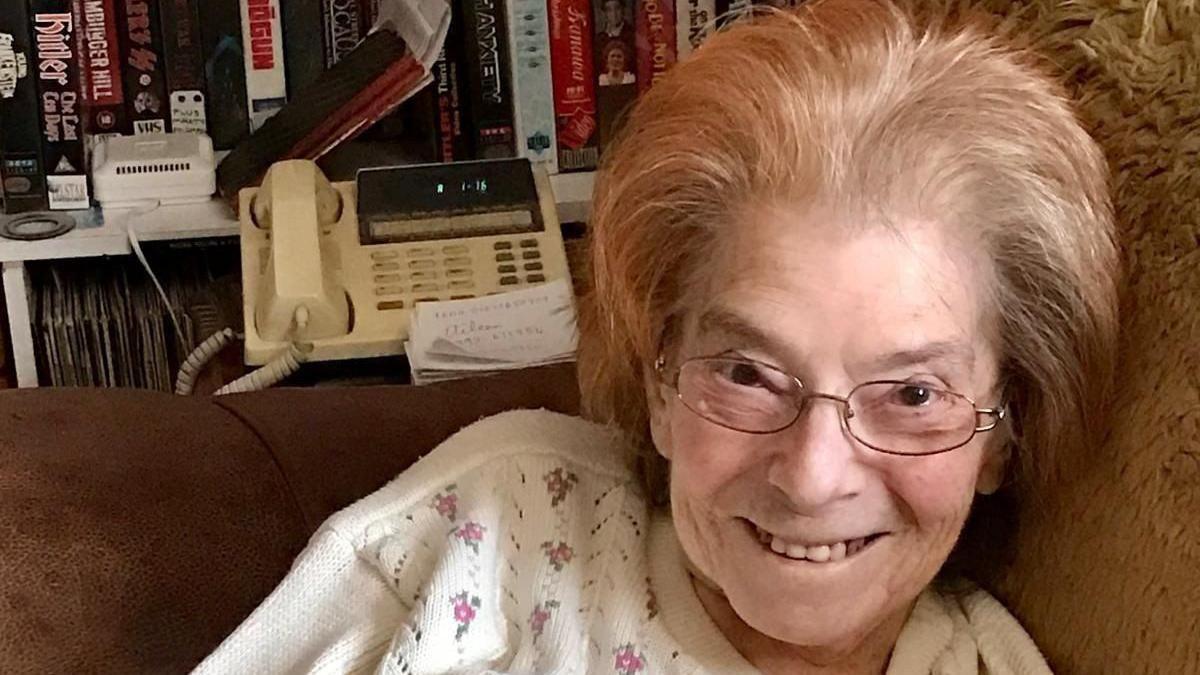
Patient safety and the prevention of Legionnaires' disease in care homes is regulated by the Care Quality Commission (CQC).
The CQC states it is a legal requirement for care facilities to carry out a Legionella risk assessment, which shows staff have identified and are managing the risk of the bacteria in water systems.
Harmsworth said she felt the advice given to care homes on testing for Legionella was too "loose".
Pearl said: "If you are running a care home - those things should be at the top of your list and if you are not able to do them yourselves then you should get someone to come in and do it."
Following a four-day inquest in July at Seax House in Chelmsford, the jury concluded: "The death of Mrs Freedman was a consequence of numerous missed opportunities giving rise to the presence of Legionella bacteria in the water system at Wensley House and this led to Mrs Freedman developing bronchopneumonia."
After the inquest concluded, Pearl said: "We've got all the answers and all the frustrations of knowing that it could have been avoided."
She said care homes need to invest in improving risk assessments to make sure that people were being kept safe.
Home inspected
Andrew Kelso, the chief medical officer at The Princess Alexandra Hospital NHS Trust, said: "Legionnaires' disease is a form of pneumonia caused by Legionella bacteria, which can sometimes be found in water systems."
Kelso said symptoms include a cough, shortness of breath, chest pain, a high temperature and flu-like symptoms.
The CQC carried out an inspection of the home in December 2024 where it rated the facility as needs improvement, but marked the home as safe.
A spokesperson for the watchdog said: "[The] ratings are based on evidence gathered during our inspections and the full rationale behind these are detailed within the report itself.
"We don't investigate individual incidents, but we do seek reassurances that people are safe and work with our partners to take regulatory action if necessary.
"We are aware of the inquest and will consider any relevant findings as part of our regulatory role."
The BBC has approached Wensley House for comment.
Do you have a story suggestion for Essex? Contact us below.
Get in touch
Follow Essex news on BBC Sounds, Facebook, Instagram and X.