For more than 200 years, experts believed that bones discovered near Stonehenge belonged to a "stout man". Now, DNA analysis has helped "rewrite" how we understand this key burial site and revealed that the 4,000-year-old skeleton was, in fact, a woman.
Researchers have hailed the discovery as a major development, saying it places women "front and centre" in our understanding of early Bronze Age society.
Experts believe the woman was a metalworker and a shaman - someone who reportedly connected to the spiritual world.
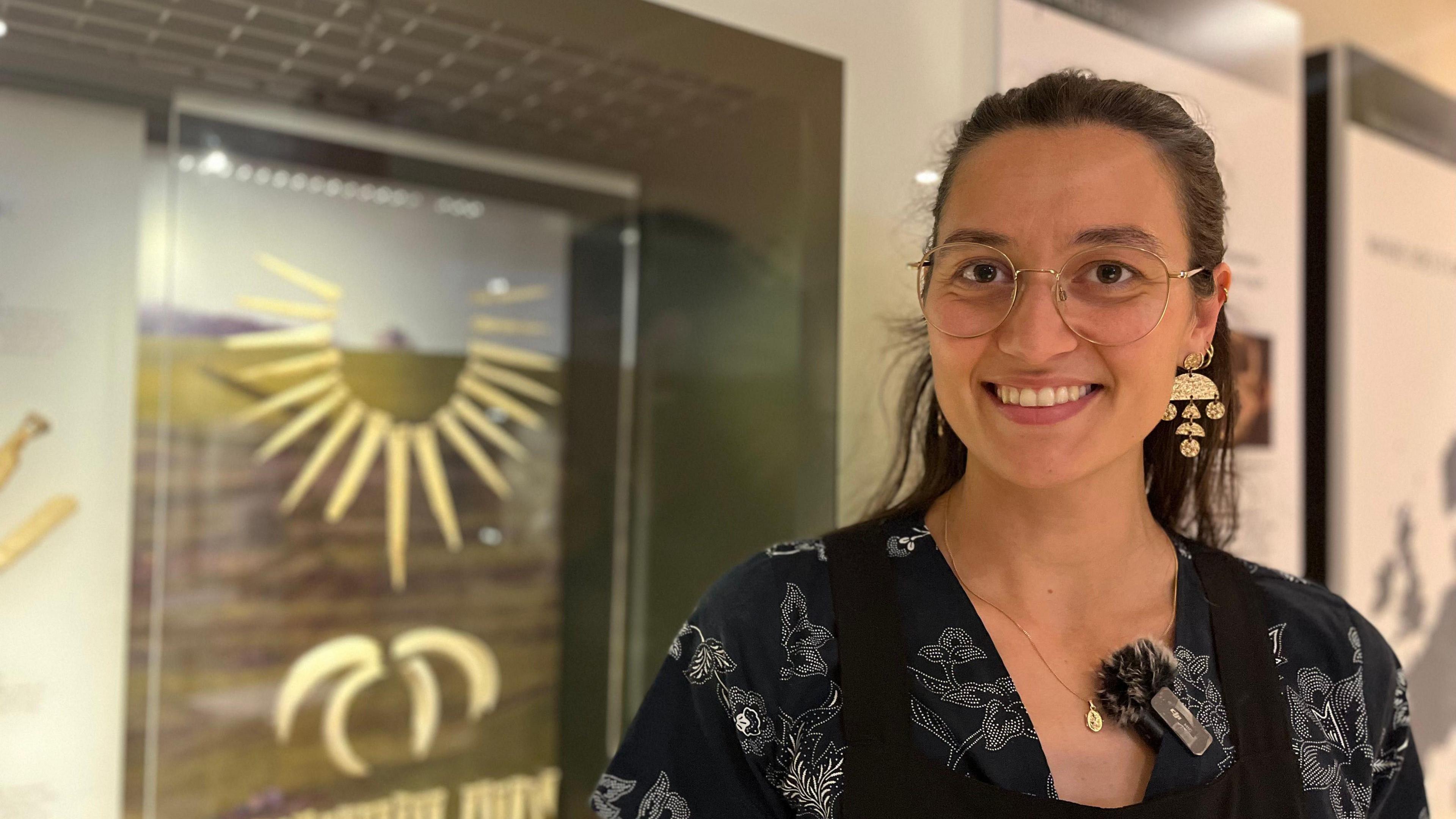
Lisa Brown, the curator at the Wiltshire Museum, where "stout man" has been on display, explains this shows for the first time that women were also craftworkers during this period.
Brown said: "We now have a whole new understanding of this burial, rewriting their story, breaking stereotypes, and putting women front and centre in our understanding of early Bronze Age society."
More from Wiltshire
David Dawson, director at the museum, said the bones provided "brand new information" for historians.
He added: "For the first time, it tells us that women were craftspeople making some of these amazing objects that were buried with people, things that people had to show their status in society at a time when Stonehenge was in full working order [as a burial site].
"We know that women had a really important place in Bronze Age society, but this shows that women were at the forefront of the leading edge of technology as well."
When the skeleton was first found by William Cunnington in 1803 in Upton Lovell, Wiltshire, he thought it was a "stout man" due to "the largeness of the bones". He recorded what he saw, but did not remove the skeleton. It was re-excavated in 2000 and removed to save it from a now damaged ancient monument.
However, fresh analysis by the Francis Crick Institute has rewritten Cunnington's account through DNA. It showed the skeleton had XX chromosomes (female) rather than XY (male).
The metalworker is one of 1,000 ancient people the institute are studying as part of a project. They're sequencing genomes from people who lived in Britain over the last 10,000 years.
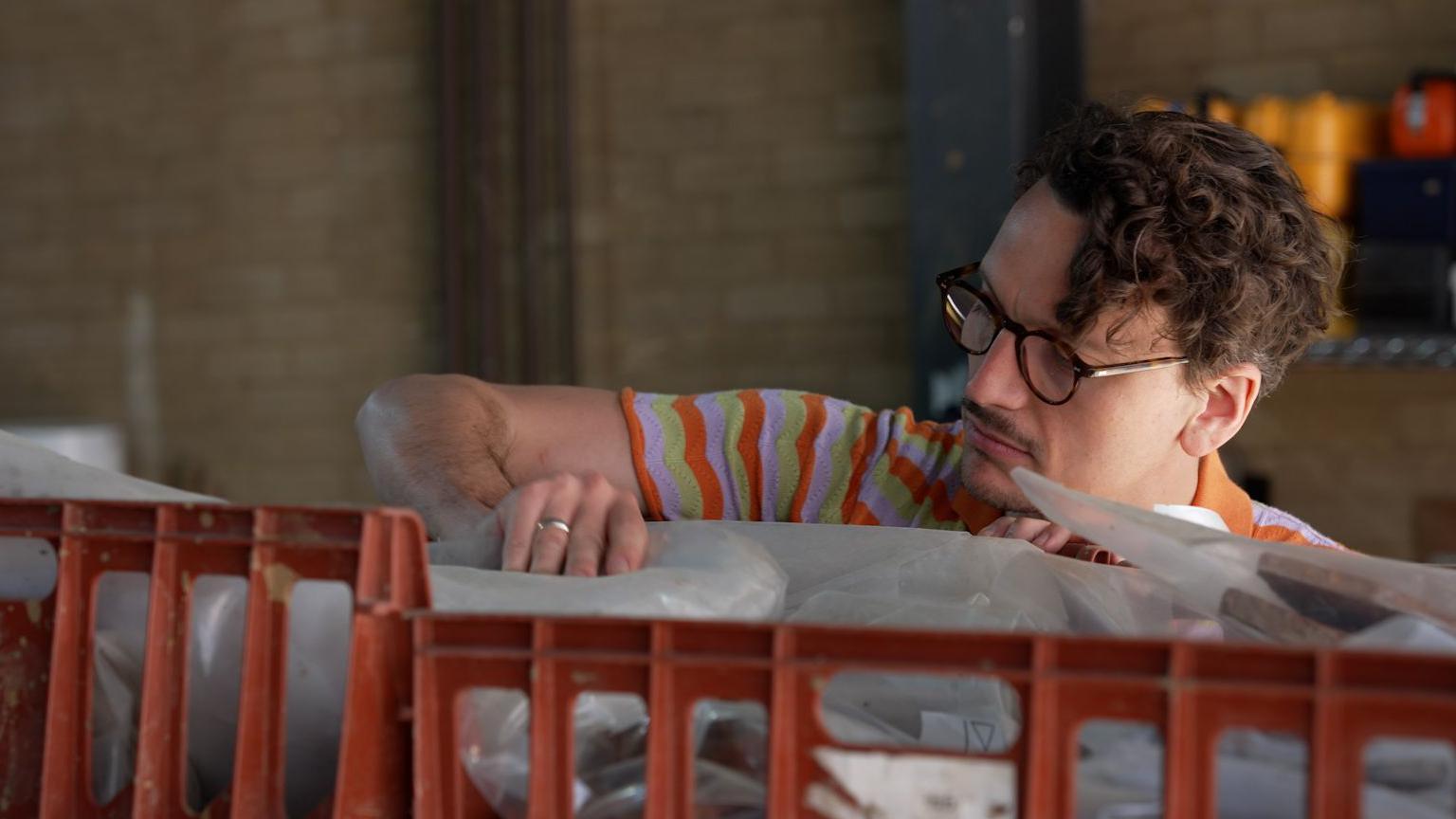
Dr Tom Booth, senior laboratory research scientist in the Ancient Genomics Lab, said that Cunnington was faced with bones that did look large and "robust", but that the woman it belonged to was likely over 45 and post-menopausal.
"The hormonal changes that occur after menopause means that a female's skeleton doesn't react to the same stresses in the same way that it did do previously. So actually, the bones start to look more robust and masculine," he added.
Booth explained the temporal bone, which is the bone that surrounds the ear canal, is the densest in the body.
Experts drill into it and "pretty routinely" can find the DNA preserved from thousands of years ago, he added.
To check they definitely had the right results from the metalworker, they also took samples from a tooth and toe bone too. It meant they were able to ensure that they all came from the same person and the person was genetically female.
The results gave some clues to her ancestry too.
Booth said that it looks like she came from a large group of migrants to Britain that are known as the beaker people for the pots they made, but were also known as metalworkers.
Research also shows she had arthritis in one of her wrists which fits with her metalworking skills.
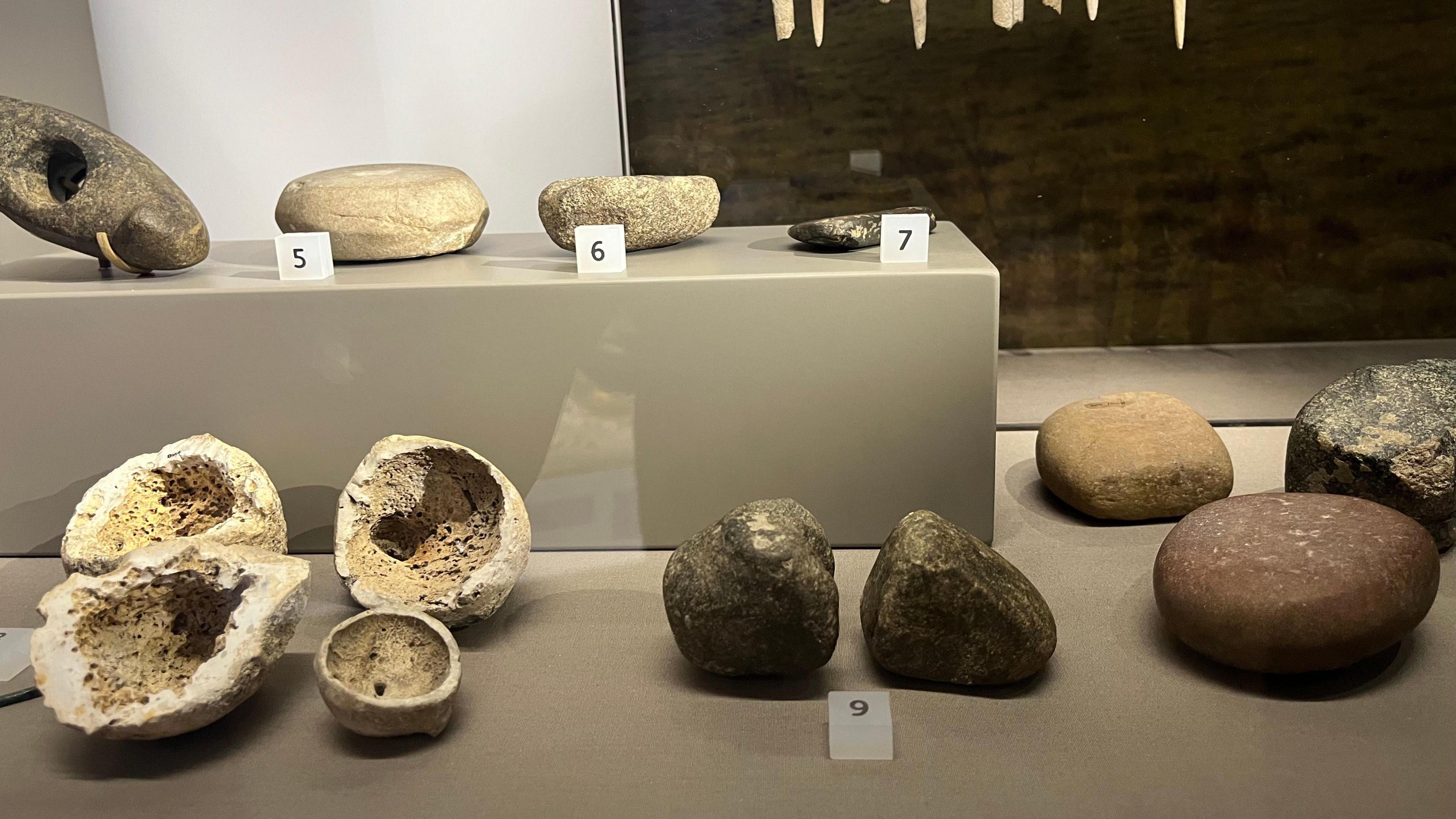
Among the objects buried with her were ochre bowls and a touchstone, suggesting she worked with metal. The ochre powder was used for polishing, while the touchstone tested the purity of gold.
She was also considered to have been a shaman. She was buried with a necklace and decorative bone pieces, including very long ones that were shaped with points.
"It's mainly sheep bones apart from the two longer ones which are red deer but the most bizarre thing about it is all the bones come from the back right leg of the animal", explained Amber Pullen from Wiltshire Museum.
The museum has updated the description of the burial on their website, saying that "200 years of assumptions have been overturned" and will be tweaking the display description when it moves to a new site.
The metalworker's story is part of a wider exhibition at the Francis Crick Institute called We Go Way Back.
Get in touch
Tell us which stories we should cover in Wiltshire
Follow BBC Wiltshire on Facebook, X and Instagram. Send your story ideas to us on email or via WhatsApp on 0800 313 4630.