
The mother of a 15-year-old boy who was stabbed to death has said she felt as though she had been "slapped in the face" after being told one of his killers could be released from prison early.
Daejaun Campbell was killed in Woolwich, south-east London, on 22 September 2024.
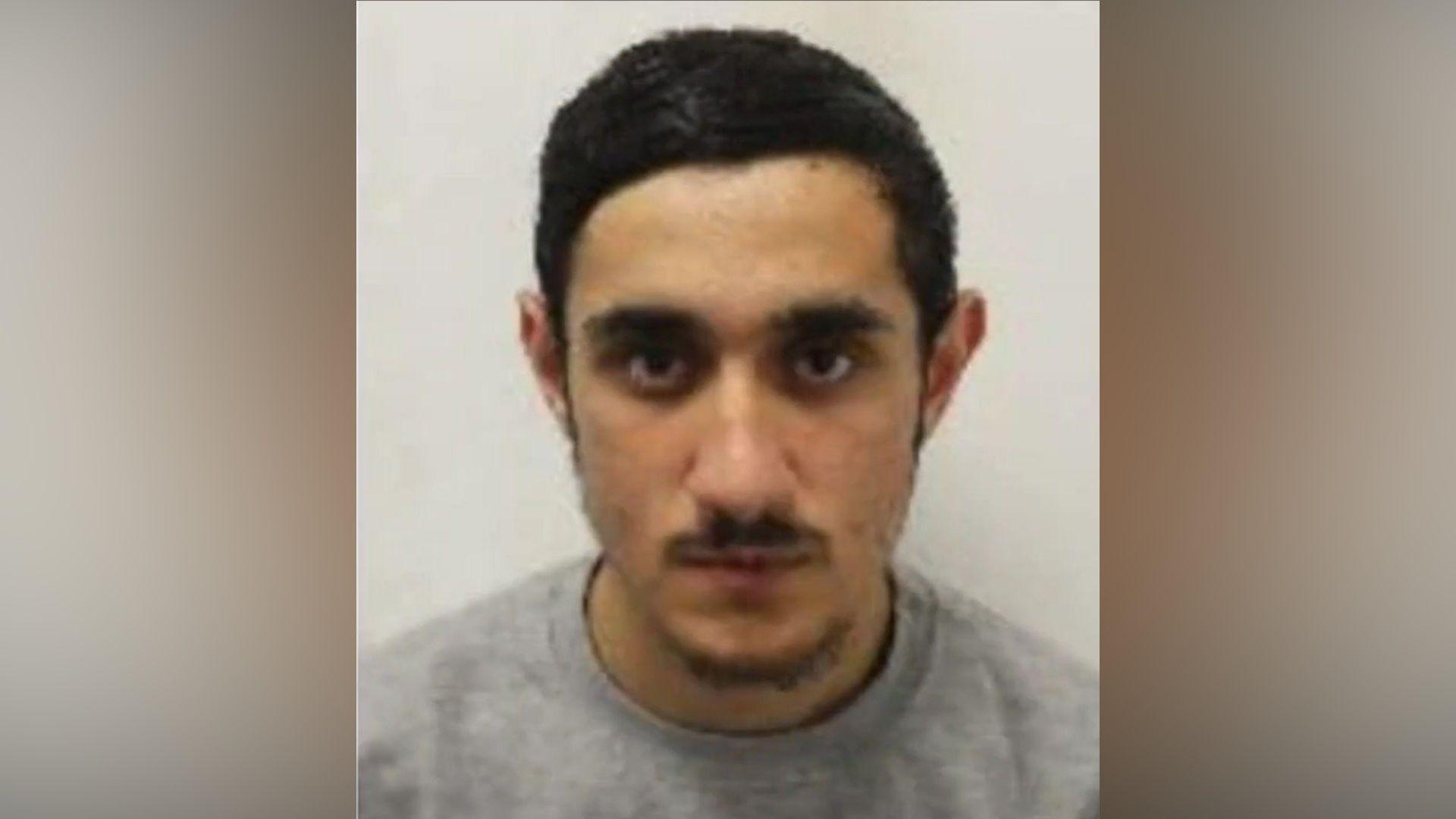
Marko Balaz, of Abbey Wood, was cleared of murder but convicted of manslaughter and jailed for 11 years. He is eligible for early release under the new Sentencing Act 2026, unlike Imri Doue who was detained for life with a minimum term of 21 years for Daejaun's murder.
Daejaun's mother, Jodian Taylor, said she was told in an email from the Probation Service in June that the change in the law could affect Balaz's sentence.

The Ministry of Justice has been contacted for comment.
The Sentencing Act 2026 follows a review led by former justice secretary David Gauke, which recommended an earned release scheme for prisoners to ease overcrowding.
Previously, Balaz would have been expected to serve two-thirds of his 11-year sentence before becoming eligible for release.
In an email sent to Taylor through the Probation Service's Victim Contact Scheme, the Ministry of Justice said the changes had been introduced following an independent review.
It said the reforms were intended to improve the effectiveness of sentencing and the management of offenders in the community.
The letter continued: "When an offender is released, they will enter the intensive supervision stage. We expect that the vast majority of prisoners will be subject to electronic monitoring."
Taylor did not find this reassuring as Balaz was on electronic monitoring when her son was killed.
She said: "No length of sentence can ease the pain that they've caused.
"Now knowing that one of them may have a sentence potentially reduced, it was a further slap in the face getting that email in June.
"I feel as though the systems that are in place to protect us cause more harm than good," she said.

During sentencing, the court also heard Balaz had encouraged Doue in the moments leading up to the killing, a factor that contributed to the sentence he received for manslaughter.
The judge also took into account Balaz's previous convictions, which included drug offences and possession of a knife.
"He was already an offender in the community," Taylor said.
She added: "I don't understand what message you're trying to give a perpetrator like this in terms of consequences for their actions, but this isn't it.
"The moment you rob someone else, or are assisted in robbing someone, of their life, overcrowding should be the least of your problems."
Taylor previously told the BBC her son was groomed by a criminal gang, and that she sought help from his school, social services and the police.
A child safeguarding practice review published by the Royal Borough of Greenwich last month found there had been multi-agency failings.
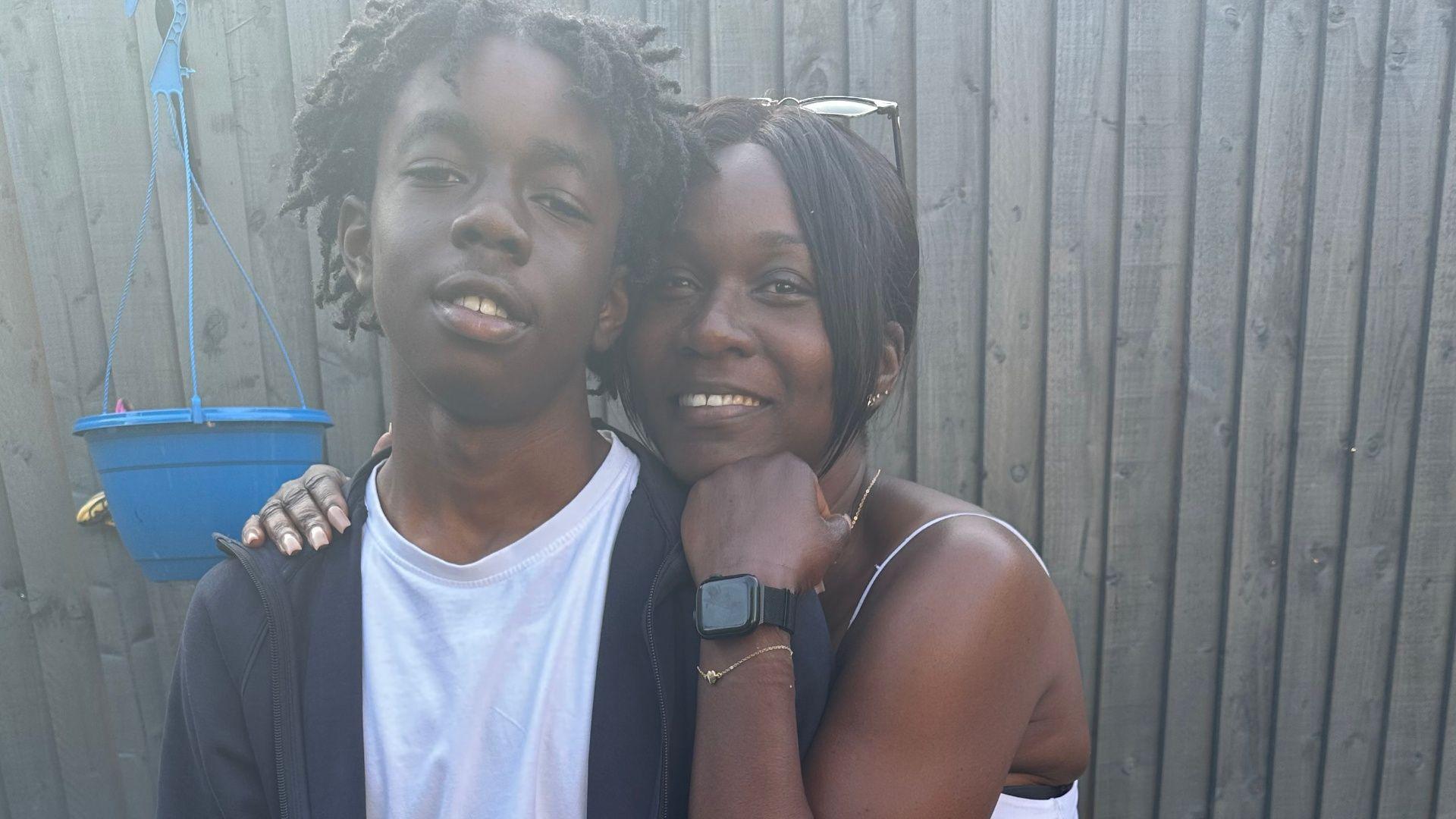
Taylor said the latest development had deepened her grief and her lack of faith in the authorities.
"He was calm, he was loving, he was caring, he was thoughtful," she said of her son. "He had qualities that I didn't even possess.
"He was athletic, he was ambitious, he was just incredible."
What are the changes to the law?
From 1 October, most prisoners serving fixed-term sentences will be released after serving a third of their sentence, instead of the current 40% or halfway point in place for most offences.
The changes affect people serving a standard determinate sentence, the most common type of prison sentence in England and Wales.
For some prisoners serving four years or more for certain violent or sexual offences, the release point will change from two-thirds of their sentence to halfway.
The changes will not apply to people convicted of offences including rape and some child sexual abuse and grooming offences.