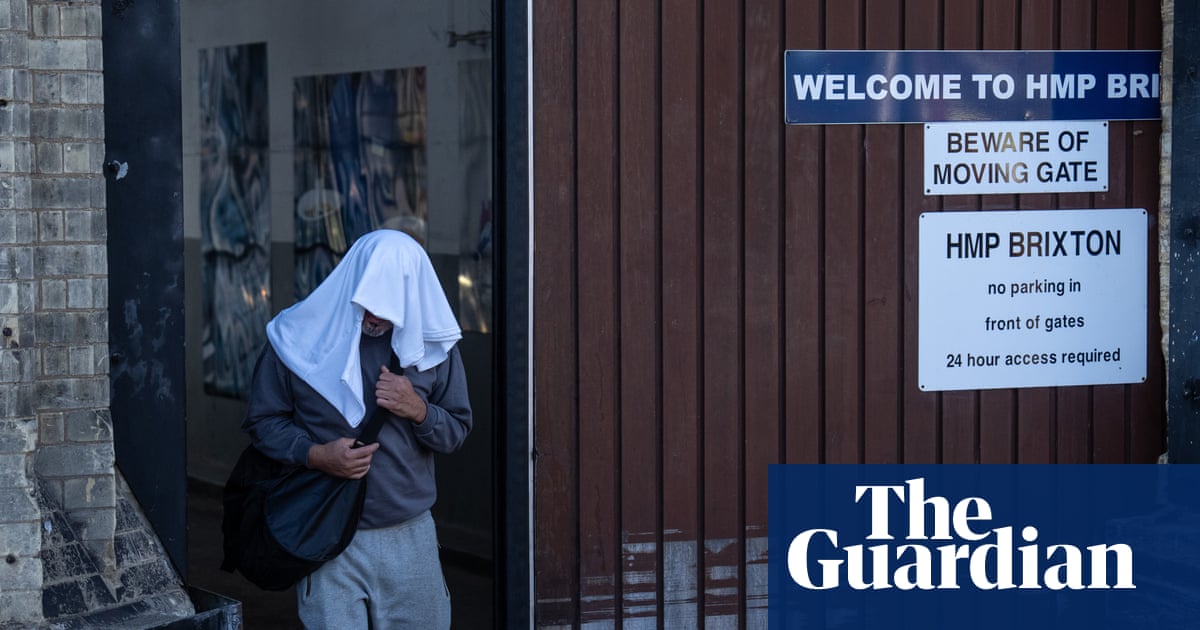
The second wave of early prison releases has begun, with hundreds of offenders walking out across England and Wales under the government's controversial plan to ease overcrowding.
About 2,000 criminals, including domestic abusers and violent offenders, are being freed this month, with another 3,000 to follow in stages over the next year. The total was reduced from 6,000 after an intervention by Andy Burnham.
Prisoners convicted of manslaughter are excluded, meaning the killers of PC Andrew Harper, who died in the line of duty in 2019, will not be eligible.
The second tranche of early releases comes as members of the probation union, Napo, hold a pre-ballot meeting on taking strike action over pay and workloads.
Pay negotiations with probation officers ended with a "best and final" conditional pay offer worth 5%, which the union's negotiating committee rejected. Members will be asked to vote for industrial action on pay, along with a question on workloads, in a formal ballot on industrial action to launch on 19 October.
The union says probation officers have been required to take on large amounts of extra work since tens of thousands of prisoners began being released early from 2022.
The number of people in prison has jumped by more than 1,700 in the past three months. The prison population in England and Wales was at 87,499 on Monday, according to Ministry of Justice data, up from 85,761 on 29 June, a rise of 2%.
The MoJ said released offenders would be monitored under the "toughest supervision in British history". New restriction zones designed to control the movements of the highest-risk sexual and violent offenders should confine released prisoners to areas a few miles wide, in an effort to reassure the victims of their crimes.
The MoJ said it had expanded electronic monitoring, with a new presumption that offenders will be tagged and monitored when they leave prison. Technology rolling out this year is said to give probation services near-live access to tagging data, helping staff spot breaches.
However, this month the victims' commissioner, Claire Waxman, said the government's confidence in the plan "is not yet matched by the reality on the ground".