As Secondhand September encourages shoppers to look beyond the high street, selling unwanted clothes online can be a simple way to make extra money. However, presentation, honesty and choosing the right platforms are key.
With second-hand fashion becoming increasingly popular, those looking to clear out their wardrobes could turn unwanted clothes into cash.
Rachel Watkyn, OBE, founder of Tiny Box Company, says sellers should start by researching where their clothes are most likely to find a buyer.
What are best practices for reselling?
“Always do your research,” Watkyn says.
“Clothes will gain different values according to the market. So something on eBay for example may get a lot less money than something on Vinted. It’s knowing your audience and if you have got a premium brand item – make sure it’s on a premium brand channel as opposed to a more basic channel.
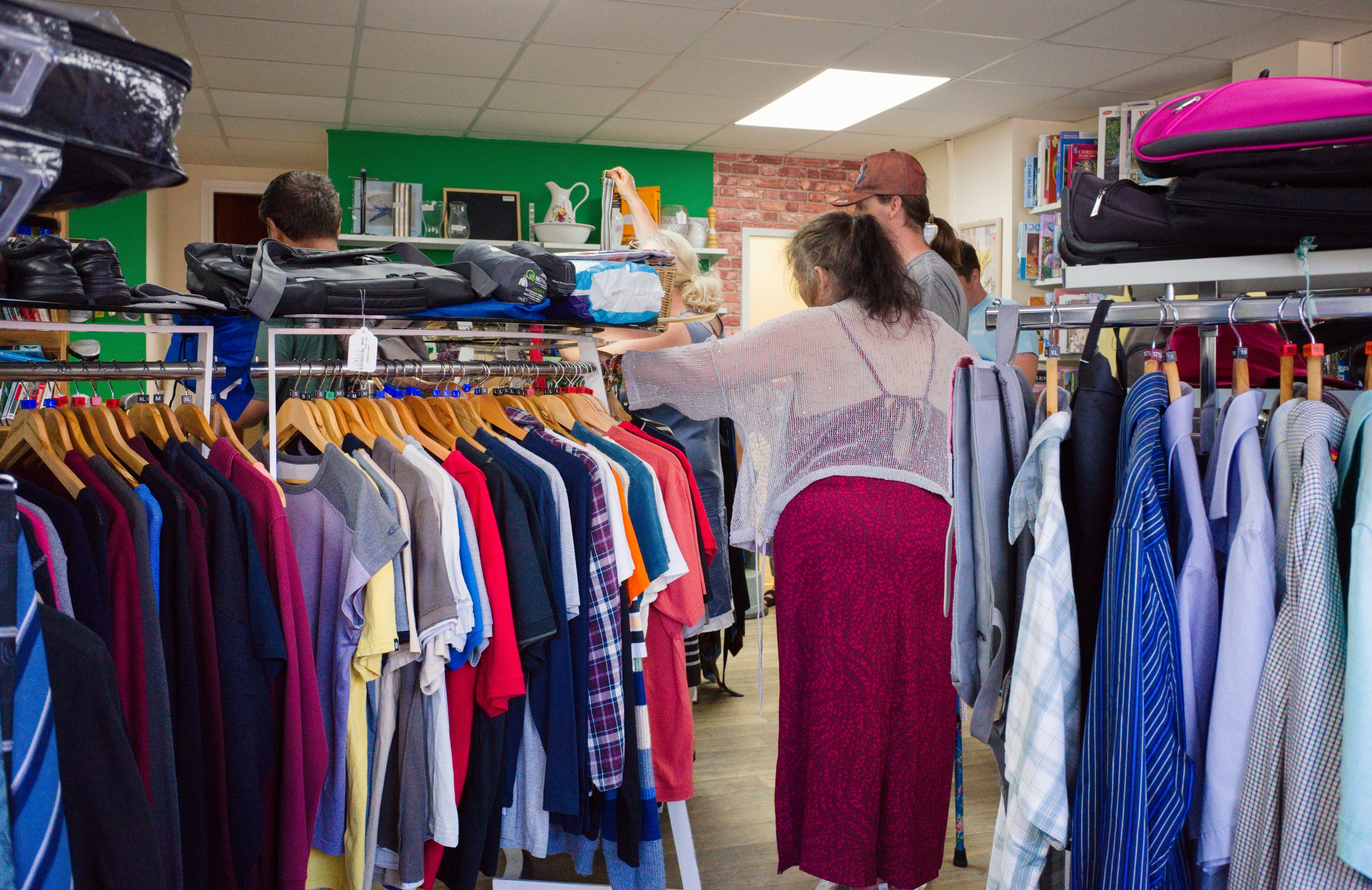
“I think people underestimate the market in that they’ll buy something cheap – as in a cheap import – and then be able to expect to sell it. It doesn’t work like that because everybody knows what a 50p top is. It’s about knowing the right platform for the item that you’re selling.”
But finding the right platform is only part of the process, with presentation also playing a major role in whether an item catches a buyer’s attention.
Harriet Vocking, founder of For. Tomorrow, says: “It’s definitely presentation. If you think about the growth of Vinted and Depop – you type in grey t-shirt and it comes up with loads. Yours has to stand out, so it has to look good.”
She says sellers should think about the experience they are offering buyers, rather than simply taking an unwanted item from the back of the wardrobe and putting it online.
Watkyn adds that making sure clothes are clean, crease-free and photographed in good lighting is important, too.
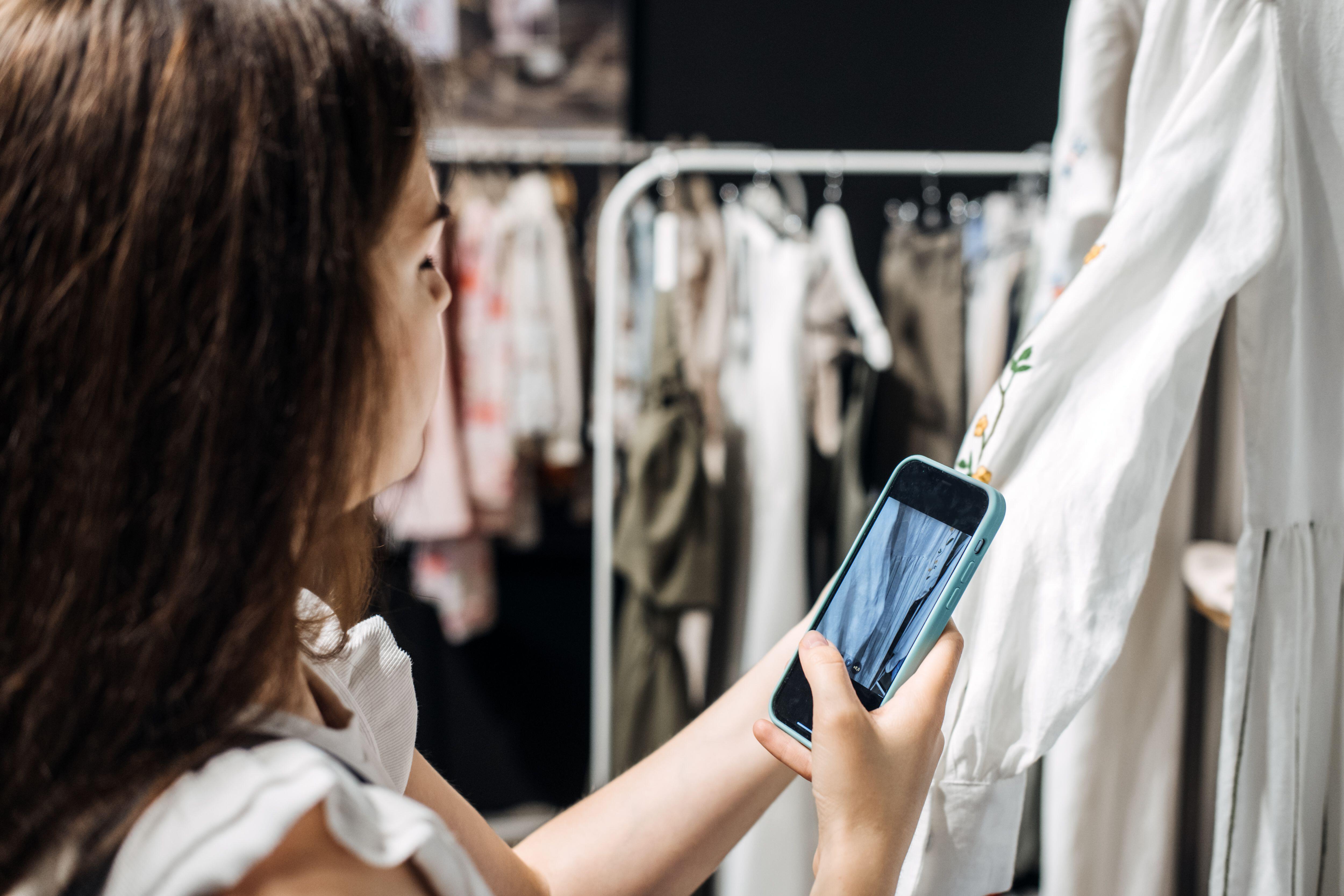
“It matters hugely. You’re not going to buy something that looks unwearable,” she says.
“It’s got to be visually appealing. We are visual animals and without the visual appeal, it’s never going to sell.”
She continues: “If you’re going to sell something on one of the platforms, just make sure it doesn’t smell.
“I know you can’t see that in the picture, but it will really affect your ratings if somebody opens it and it stinks of cigarette or synthetic smells.”
Where does reselling fit in when it comes to a sustainable wardrobe?
Watkyn says buying second-hand alone cannot solve the problems caused by overconsumption, particularly if people continue to buy large quantities of new clothing.
“Therefore, buying second-hand clothing isn’t enough. Even if we all started frantically doing it, the speed that we are churning out new clothing is just staggering,” she says.
“That’s more than one new item a week per person in the western world. Buying second-hand items here and there, it’s a drop in the ocean and it’s nothing like what we need.”
How can you stay sustainable long term?
For Vocking, one way of approaching future purchases more thoughtfully is to ask whether an item is likely to get enough wear.
She points to the “30 wears test”, which encourages shoppers to consider whether they will wear a new item at least 30 times before buying it.
“Ask is it something that’s going to hold its value on Vinted for example and if you can pass it on to somebody else?”
Other options include renting, borrowing from friends, swapping clothes and finding new ways to style pieces already in your wardrobe.
Watkyn says: “There’s more and more rental companies coming up and ones where you can hire stuff for the night or for an event.
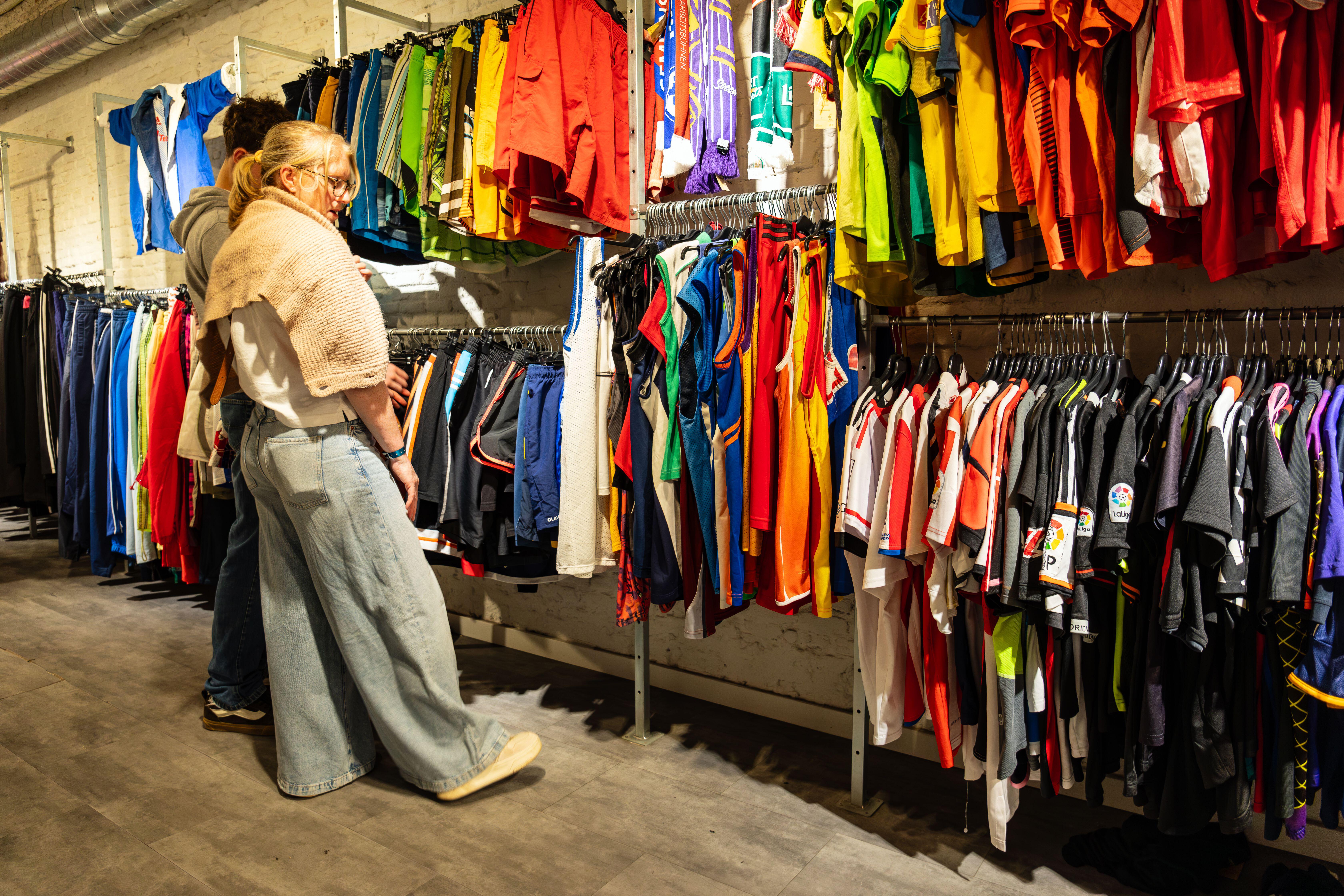
“If you’re going to an event for one evening and you want the dress for the night – it’s crazy going out buying a new dress when you can rent or borrow your friends.
“It’s also more fun to swap with friends because you’re not ending up with the mainstream stuff that everybody else is wearing.
“Then you can repurpose too. The same outfit can look completely different with accessories or dressing it up in a different way.”