So, it’s almost time to plant your spring bulbs – or is it?
With ground still rock hard from the sweltering summer, it may be wise to at least delay planting spring bulbs until rain has softened the earth, experts advise.
“It’s better to wait for the soil to cool a bit more before planting but on the flip side, it’s still good to get into garden centres and choose the varieties you want early while there’s the best selection,” says Ian Clark, Taylors Bulbs marketing manager. “But it’s definitely better to wait for some rain to make planting easier.”
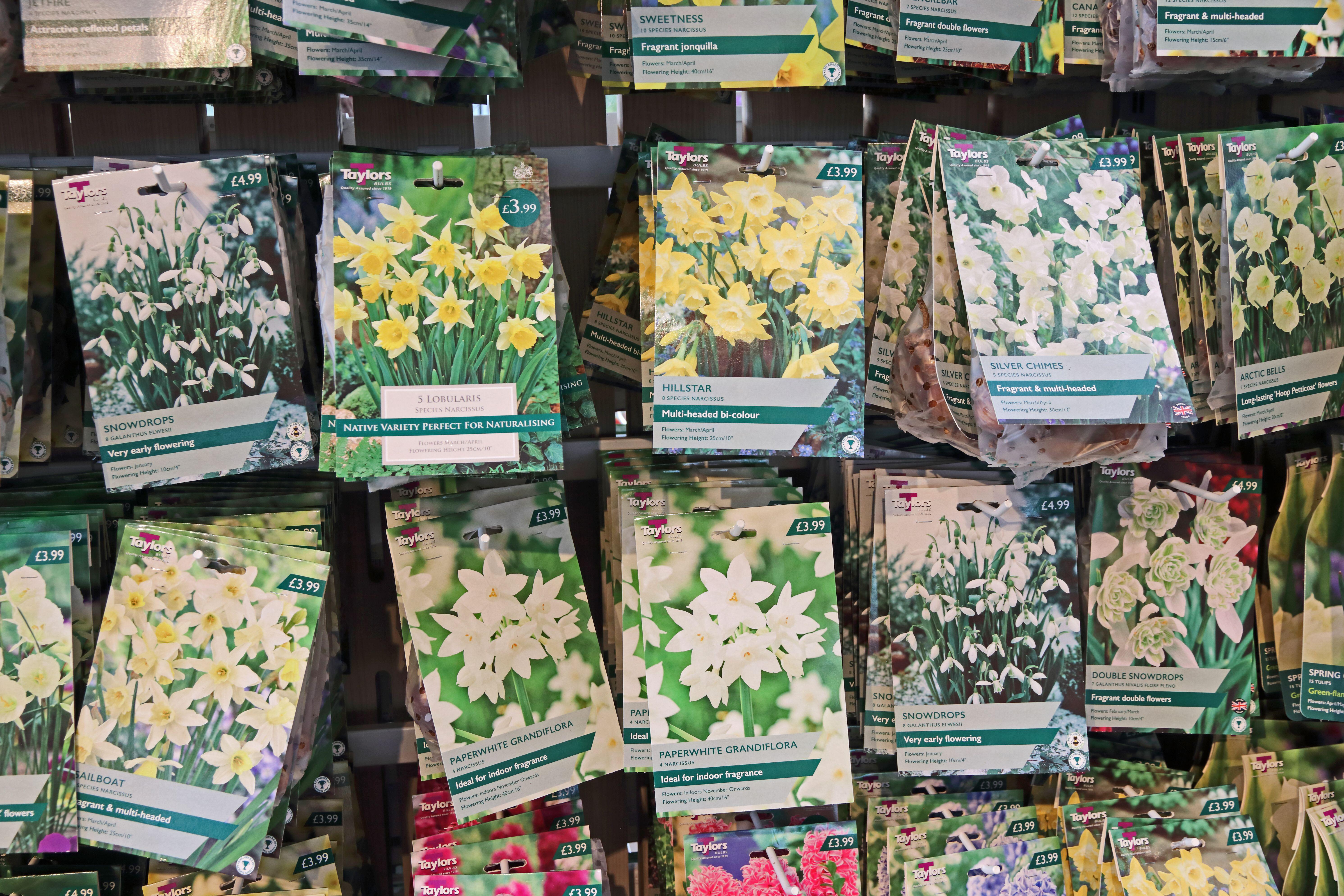
“Bulbs are at their most dormant at the moment and the most important time for them is late spring/early summer after flowering when they are taking in moisture and nutrients for the following year,” he continues.
“Hot weather earlier in the summer had a small effect on tulip growth but not too serious, more likely that the bulbs haven’t got quite as big as they might have done had they had more favourable growing conditions.”
“Even if you put them in the ground now, they would stay dormant until we get rain anyway, because moisture initiates root growth,” says Ashley Edwards, head gardener at Crocus.
When you come to plant them, plant your bulbs deeper than you would normally, which will expose them to more moisture.
Can you still plant bulbs in pots in early autumn?
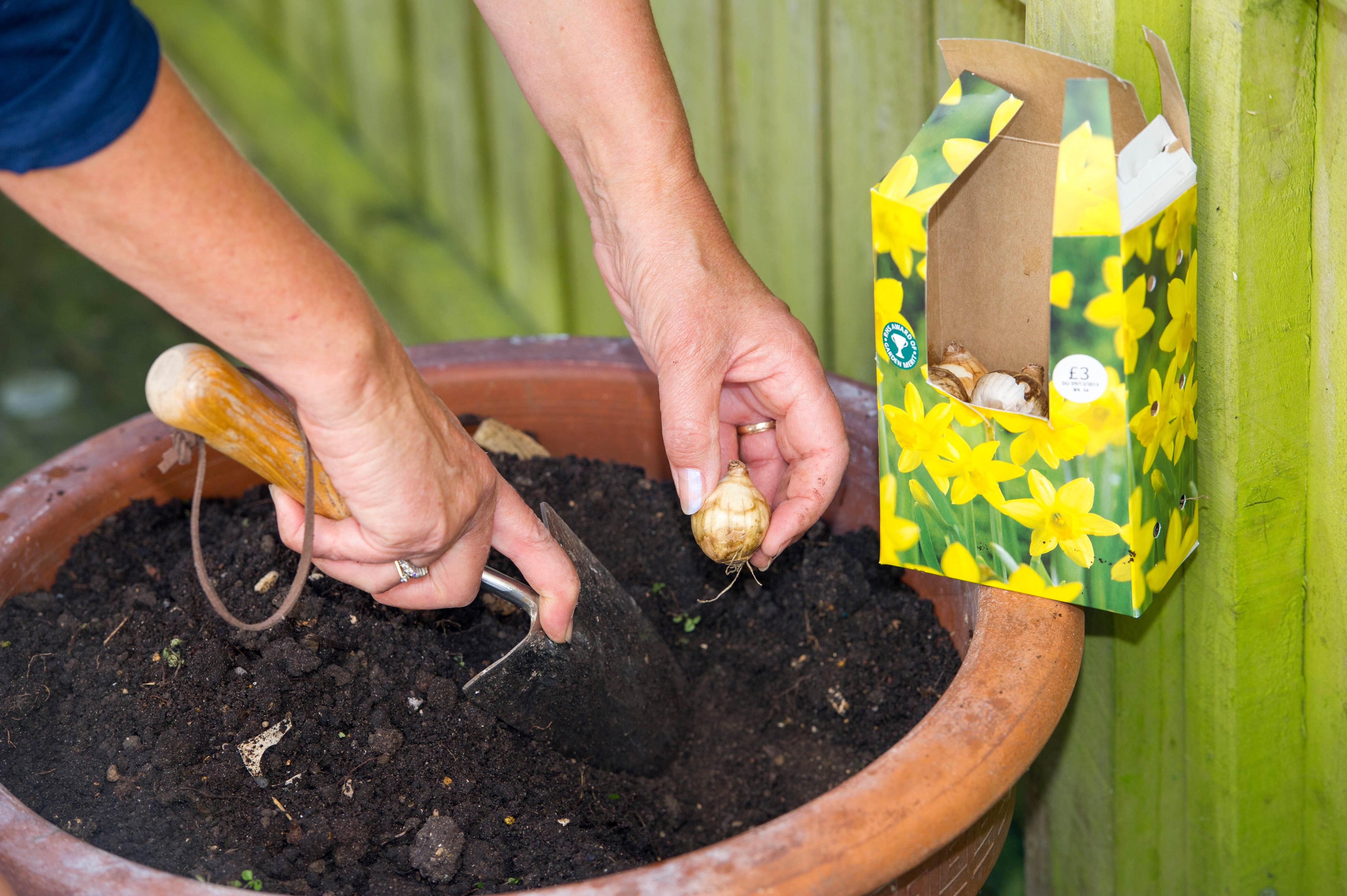
“Pots are different because you’re going to be watering your pots anyway. You could even start bulbs off in pots and then transfer them into the ground when the rain does come,” says Edwards.
Good candidates for pots include narcissi, crocuses and imperial fritillaries, he recommends, along with hyacinths for scent.
Leave tulips until later
Tulips do have a preference to be planted in cooler soil later in the autumn, and it is better to wait if you can, Adam Taylor, director of Taylors Bulbs, advises.
Tulips, in particular, benefit from being planted in November or even December, when there’s less danger they will succumb to tulip fire, a fungal disease similar to grey mould.
Will those left in the ground survive?
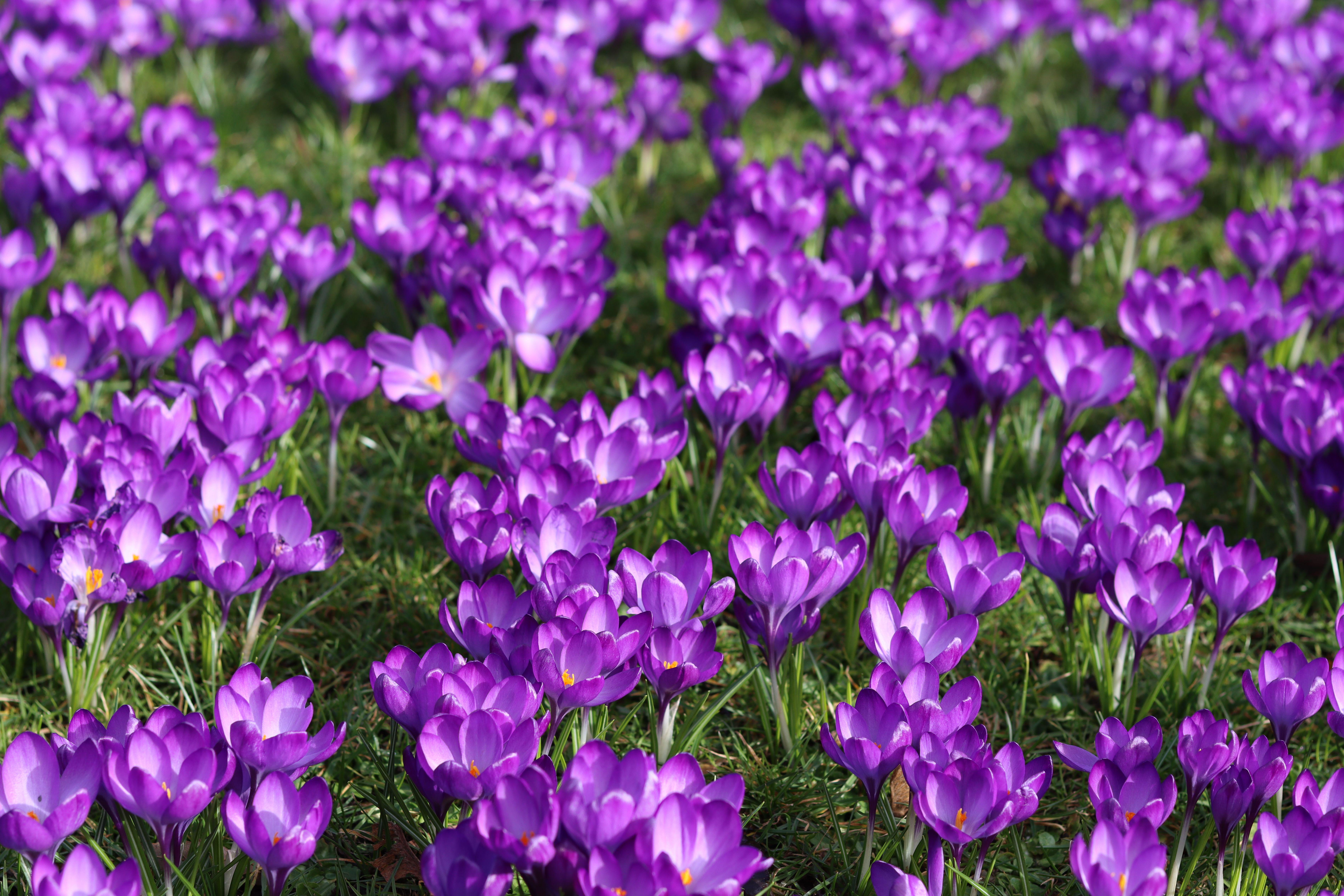
“If spring-flowering bulbs have been left in gardens from last year, I would expect very few detrimental effects particularly with the early flowering types such as crocus, hyacinth and narcissus,” says Taylor.
“They have been dormant throughout this summer and if we have some moisture for them to start rooting when the soil temperature drops, I expect them to come again next spring without significant issue.
“However, in those areas where we experienced the dry weather in late May, it’s possible that any later spring flowering bulbs left in the ground such as narcissus and particularly the type of tulips that can flower perennially (Darwin hybrid, fosteriana and species types), the leaves will have died back quicker than they may normally do.
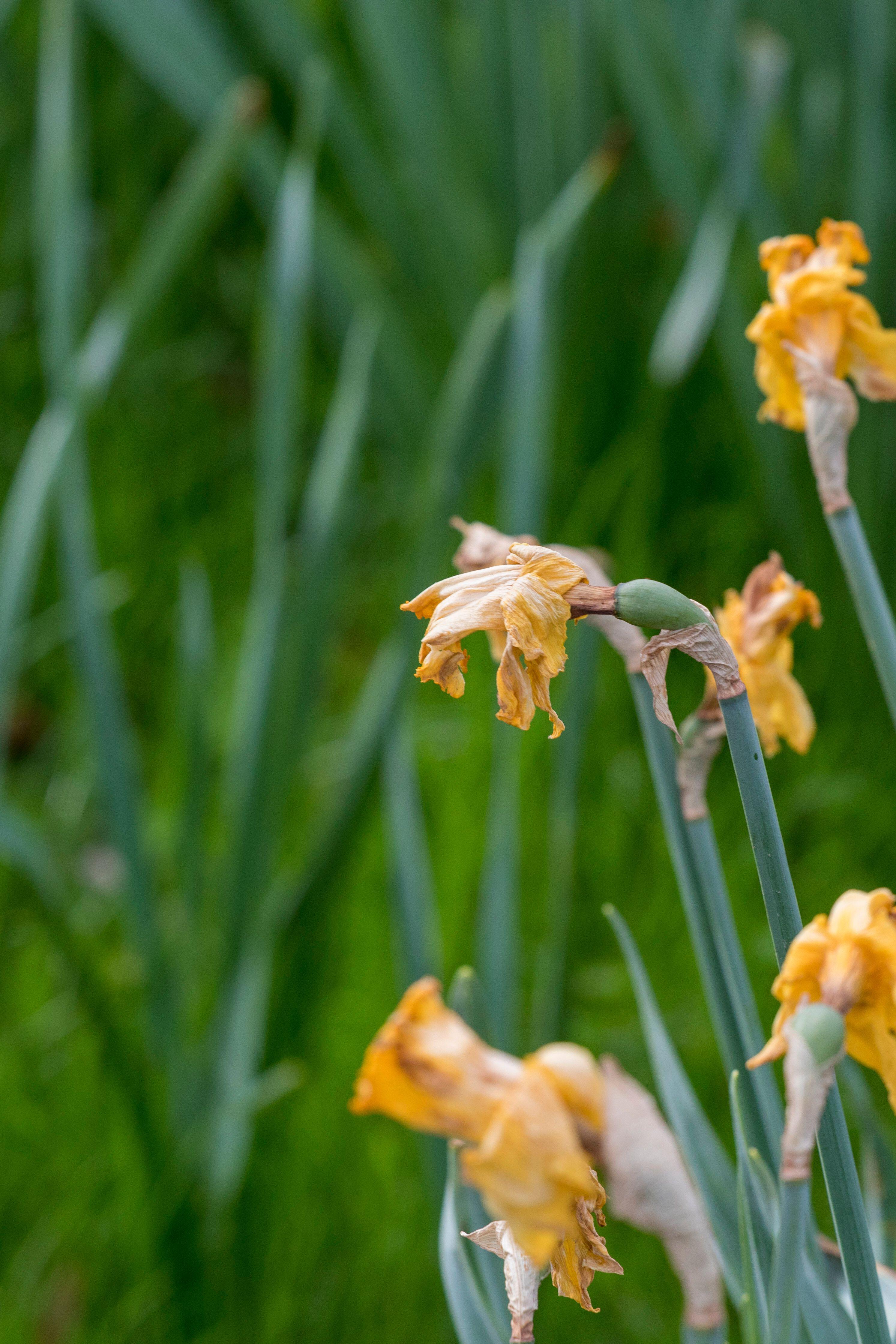
“This will mean the plant was under stress at a time when it will have been creating the new bulbs for next year and/or making the flower bud for next spring’s flower.
“It’s slightly possible in some areas and some circumstances that there may be fewer flowers than hoped but nature will recover this for the year after, should we receive more normal conditions next spring.
“In the meantime, planting some fresh bulbs in those areas will only help fill any gaps that may come in next year’s display.”
Edwards adds: “If they are very congested there’s a chance they could dry out and they might come up blind (without flowers) next year.”
As for tulips, some are more resilient than others when they’ve been left in the ground, such as Tulipa ‘Ballerina’ and ‘Queen of Night’, while many parrot tulips are less reliable, Edwards observes.
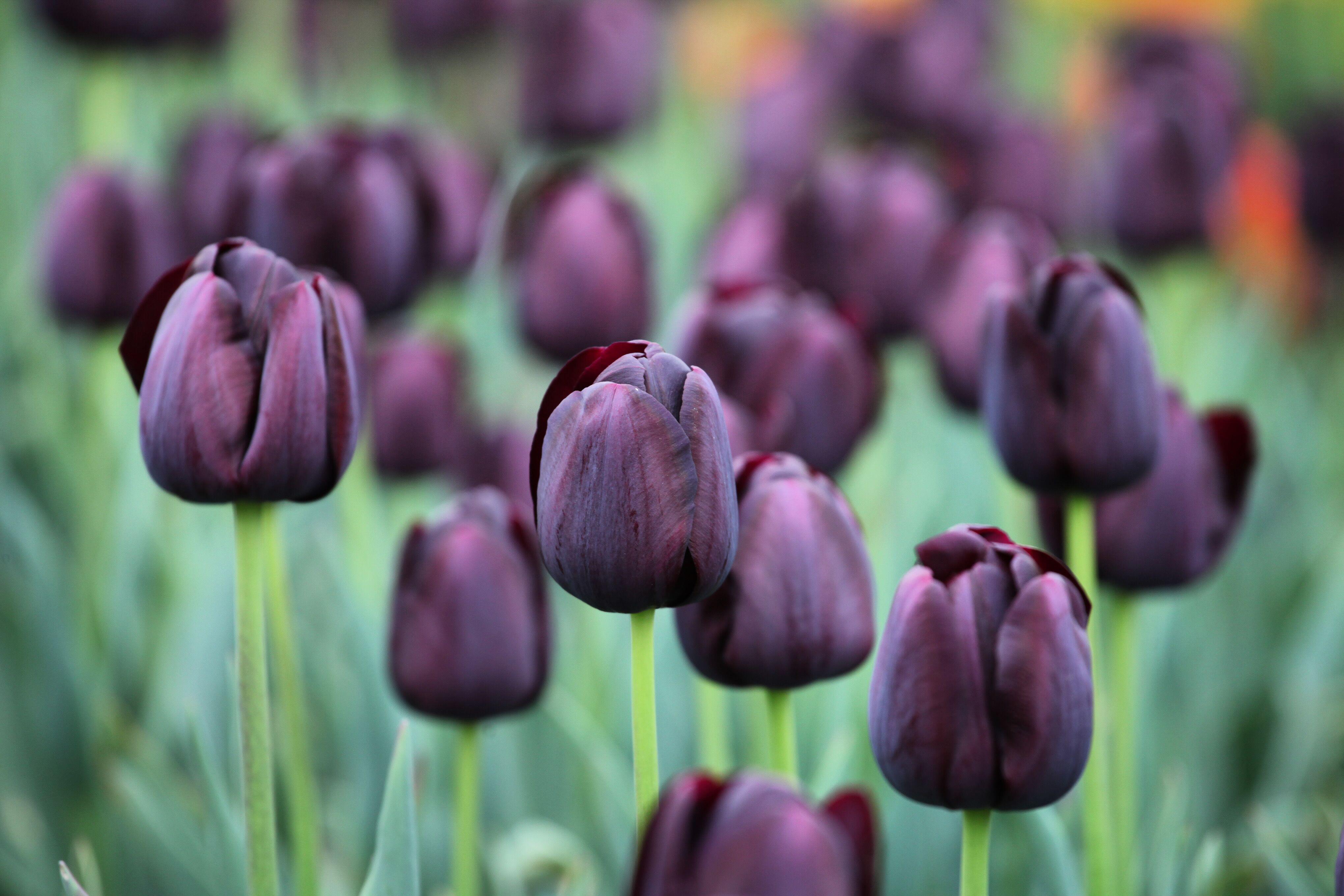
“I think we should be going more towards the species tulips now because they are adapted to heat, they come from Iran, Turkey and those areas of the world and are used to growing in quite mountainous areas. A lot of them are very resilient and they spread as well.”
What about bulbs you’ve stored?
“The hot weather will accentuate any underlying issues in bulbs such as fusarium in tulips and base rot in daffodils, meaning you see it sooner,” says Clark.
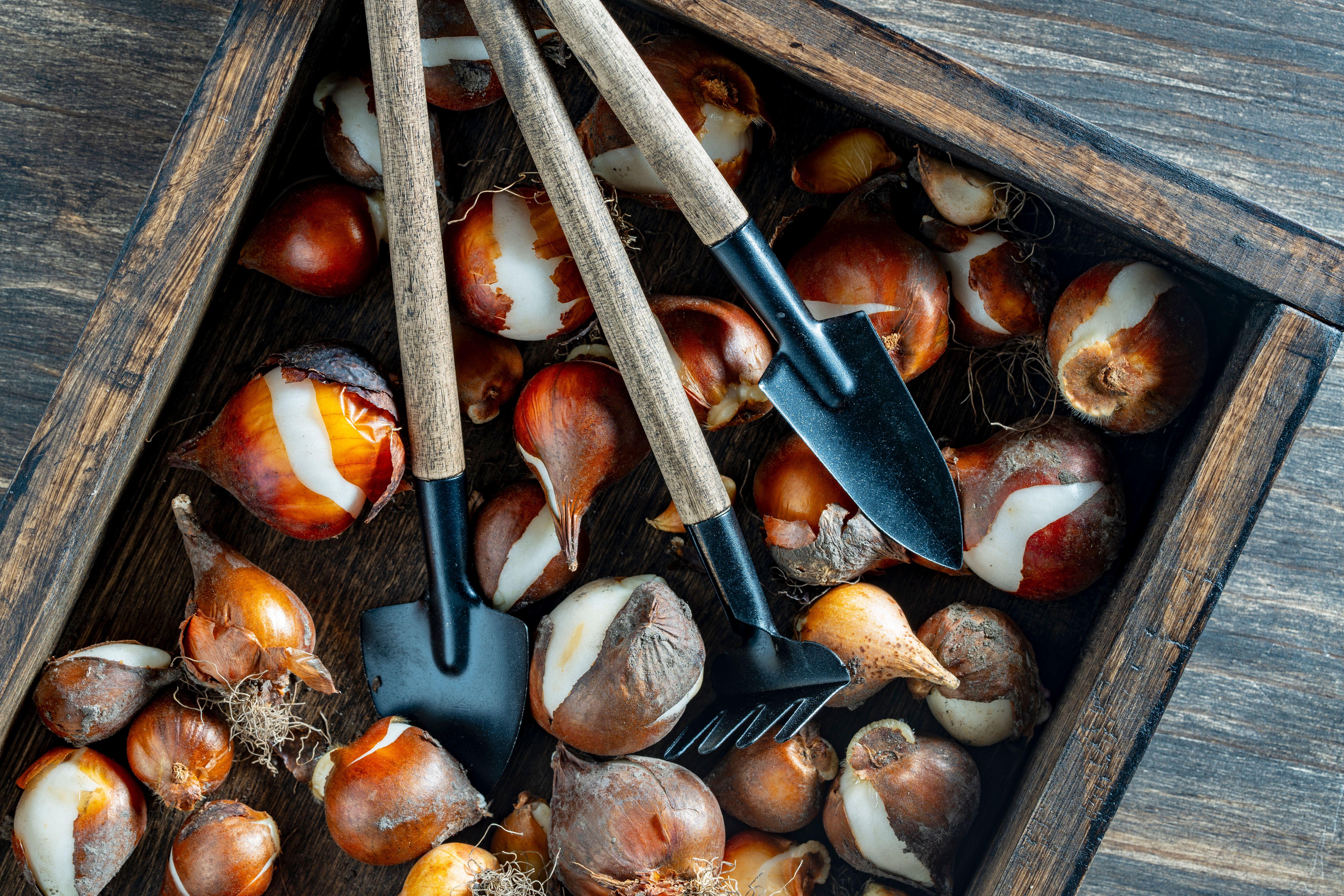
If you lifted this year’s spring-flowering bulbs after flowering, you need to have stored them somewhere cool to reduce the likelihood of deterioration. If your once-cool garden shed has become a hothouse, it may affect your bulbs, says Edwards.
“Sometimes the garage is better because it is better insulated than sheds,” he points out. “Sheds can obviously get really hot and if the bulbs are shrivelled or you press them and they crumble under your fingers, then they are too dry and not worth planting.”
Bulbs such as alliums, crocuses and daffodils are a bit tougher, he notes.
“Just test them, make sure there’s no mould on them and they haven’t got any powdery fungal diseases. You need to test the firmness of the bulb.”