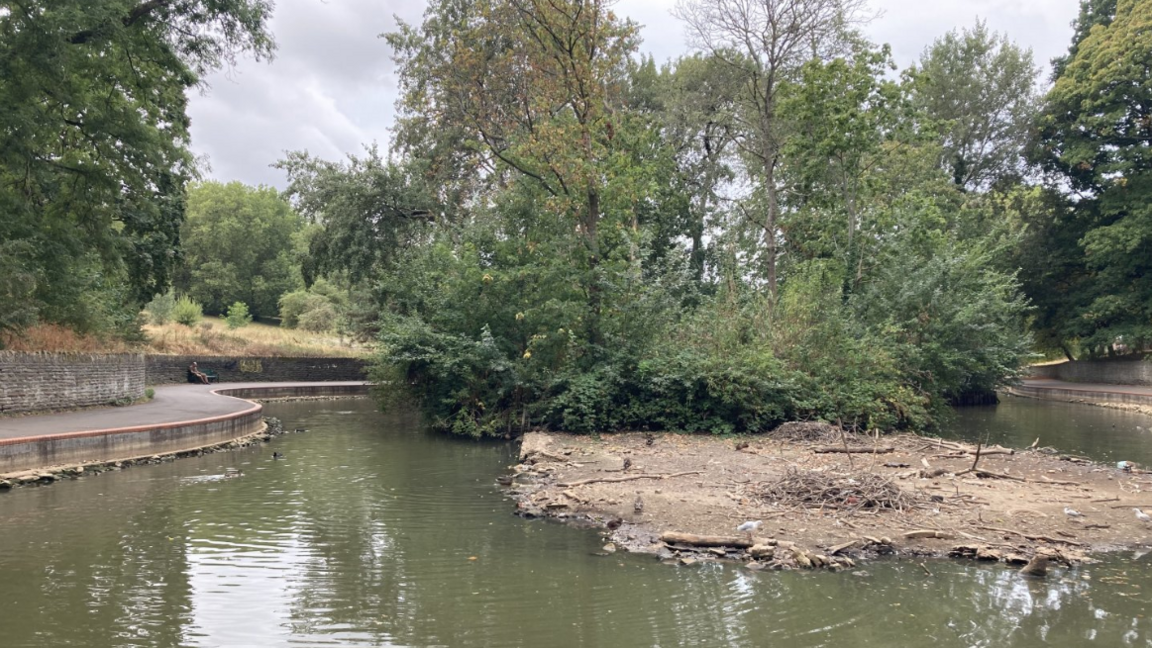
A city council has said it is investigating a suspected botulism outbreak in a man-made park lake.
Volunteers from Bath Swan Rescue have been trying to care for some of the affected animals and confirmed that two of the birds it picked up did have botulism, a poison created by bacteria which thrives in shallow stagnant water in warm weather.
Heather Mack, deputy leader of the council said avian botulism posed a very low risk to human health.
More from Bristol
People have been reminded not to handle sick or injured wildlife and to keep dogs and children away from the water.
Posters have also been put up around the park to inform people of the issue.
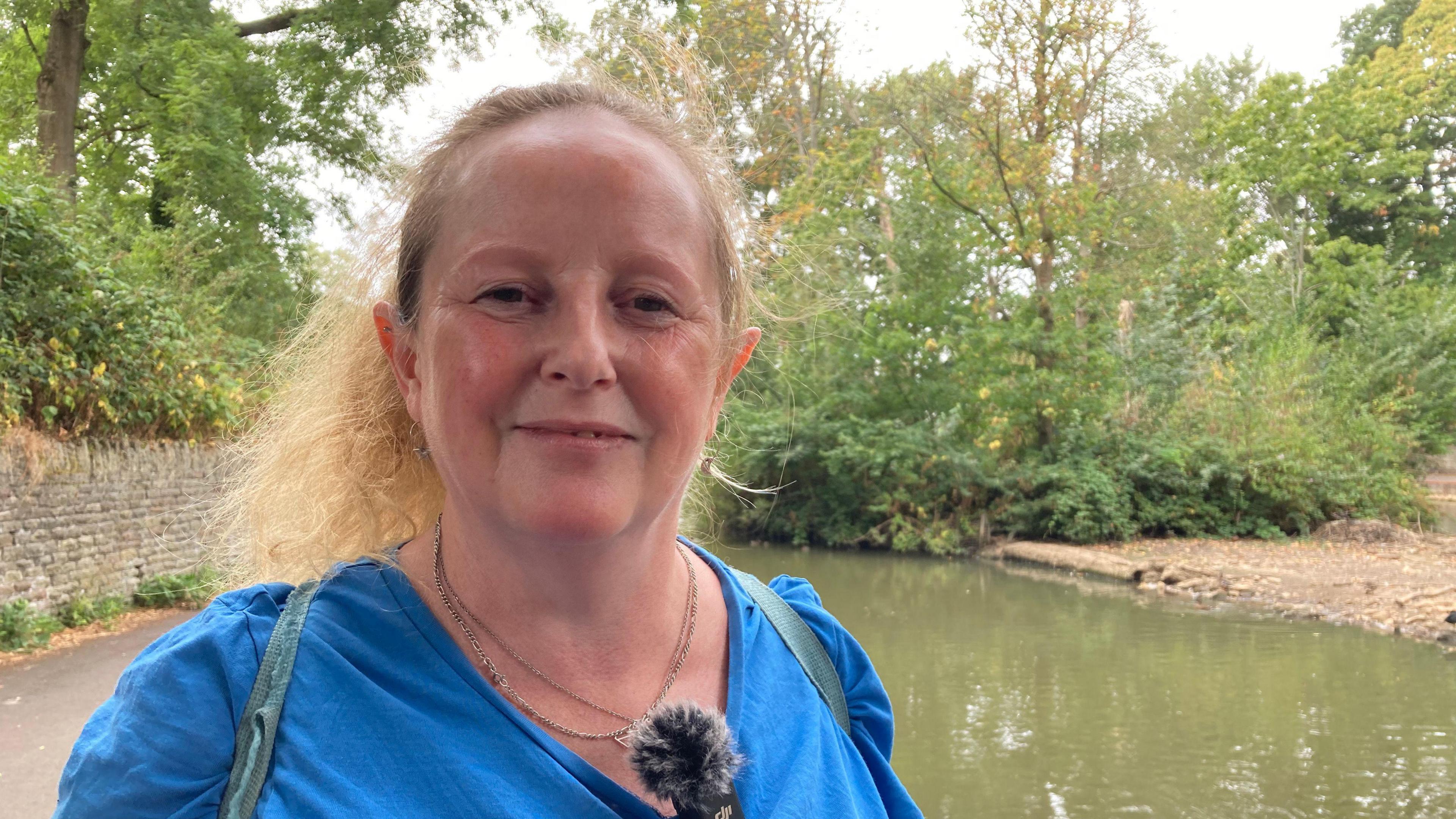
Ceri Dunning, a volunteer with Bath Swan Rescue, lives near the park and has been working to save some of the sick birds and remove dead ones.
"Some of them have been in a really bad state and covered in maggots, some have been floating on the side of the water, obviously as a result of the botulism," she said.
"We've had one baby swan with botulism," she added. "A young duck had botulism as well but unfortunately it didn't make it.
"We're keeping an eye on any of the ducks and swans in case anything catches them."
Dunning says the volunteers have recovered "about five" birds with confirmed botulism so far, one of which survived.
The bacteria that causes botulism thrives in decaying matter in oxygen-deprived warm environments, such as in shallow stagnant water.
Ducks and swans can catch botulism by eating food that contains the bacteria.
It does not usually spread from animal to animal or from animal to human but it can spread to birds like gulls and crows who might consume dead animals.
Conditions for toxins to 'thrive'
Mack said similar incidents had been reported elsewhere around the country following recent heatwaves.
She said: "This naturally occurring toxin is more commonly found during the warmer months.
"Due to the prolonged hot and dry weather we have experienced, water levels in St George Park have reached historic lows, creating conditions in which the toxin can thrive."
The authority has put posters up around the park to inform people about the issue.
Members of the public are also urged not to touch sick, injured or dead animals, to keep their dogs on a lead and out of the water, refrain from feeding wild birds and to avoid contact with the water.
Anybody that finds a sick, injured or dead bird is asked to report it to the council.
Get in touch
Tell us which stories we should cover in Bristol
Follow BBC Bristol on Facebook, X and Instagram. Send your story ideas to us on email or via WhatsApp on 0800 313 4630.