study published in the journal Nature Health last month found that food choices and meal timings have "immediate and measurable effects" on sleep. It was just the latest in a growing body of research into the link between diet and rest. Here is the latest science on what to eat for better sleep – and how sleep deprivation can affect your dinner the next day.
What should I eat for a good night's sleep?
While there isn't "a special sleep diet" that will guarantee eight undisturbed hours, a Mediterranean-style diet comes closest, says Dalhia Campbell, a registered dietitian and spokesperson for the British Dietetic Association. She describes it as "a balanced, varied diet with plenty of fruit and vegetables, wholegrains, lean proteins and healthy fats to help stabilise energy and support the hormones involved in sleep".
Prof Marie-Pierre St-Onge is the director of the Center of Excellence for Sleep & Circadian Research at Columbia University in New York, and the author of Eat Better, Sleep Better. Her research into "plant-forward" diets, including the Mediterranean diet, is investigating why they are beneficial for sleep. She says this could be due partly to the phytonutrients in plant foods, which have anti-inflammatory and antioxidant compounds, and partly to nutrients that feed the gut microbiome and are involved in gut-brain communications. "That could play a role in improving sleep through helping people quiet their minds," St-Onge says.
Are there any specific sleep-promoting foods?
"It is best to look at your overall diet rather than focusing on one particular food," says Campbell. "The latest UK diet and nutrition survey shows that fewer than 17% of adults meet the 'five a day' recommendation. Improving fruit and vegetable intake supports general health sleep."
But once you've nailed your five a day, are any fruit and veg better than others? "There's quite a bit of research showing tomatoes, tropical fruits such as bananas and pineapples, and oranges have benefits for sleep," says St-Onge. "Nuts and seeds, especially pistachios and walnuts, and wholegrains can contribute to better sleep as well."
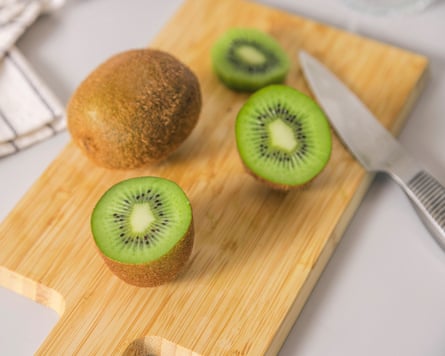
Emerging studies show that kiwis may have some benefits, says Dr Sammie Gill, a senior nutrition scientist at the British Nutrition Foundation, but the evidence is limited so far. There is also early research into tart cherries: "A recent systematic review indicated that consumption may help improve sleep duration, sleep efficiency or sleep onset time," she says. "That said, the science remains limited and inconsistent."
Do I need more protein?
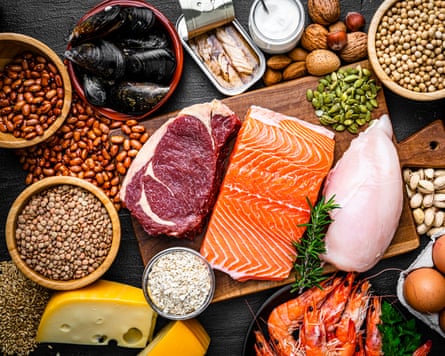
Diets higher in protein have also been associated with better sleep. "Proteins are important because they provide a source of tryptophan, which is essential for producing serotonin and melatonin, which are important for sleep," says St-Onge. Tryptophan is one of the nine essential amino acids that your body can't make on its own, so it has to come from your diet. All animal proteins and many plant proteins contain tryptophan. "In the US, people talk about turkey all the time, like, 'That's why you fall asleep at dinner on Thanksgiving,'" says St-Onge. "But food is not an instantaneous process – it's not like you pop a pill and two hours later it gets to exactly where it needs to get."
If you do want to try tryptophan-maxxing, Gill says other sources are "dairy, eggs, fish, seafood, meat, wholegrains, nuts, seeds and legumes. Tryptophan-containing foods have been linked with improved sleep outcomes – such as total sleep time and sleep efficiency – compared with controls." So having a warm milky drink before bed makes sense? "There isn't strong research showing that warm milk helps with sleep, but that shouldn't stop you from having milk as a bedtime option," says Gill.
What foods will keep me awake?
"Foods that are low in nutrients and high in fats and sugars are less likely to support good sleep," Campbell advises.
St-Onge conducted research on this topic in France. "We showed that people who consumed more ultra-processed foods had a higher risk of insomnia symptoms. We've also shown that women who consume foods that have a higher glycemic index – the types of foods that tend to raise your blood sugars to a greater extent than others – have a higher risk of developing insomnia." According to Diabetes UK, high GI foods include refined carbohydrates such as white bread, potatoes, doughnuts, bagels, sweets, sugar-sweetened breakfast cereals and sugar-sweetened drinks. As well as added sugars, St-Onge would avoid foods high in salt.
Does caffeine help or hinder?
"Caffeine is a double-edged sword," says Gill. "Plenty of studies have shown that caffeine in moderate doses [up to 400mg/four cups of coffee a day] can have a positive effect on cognitive performance, memory and alertness. But at higher doses, it can trigger anxiety, irritability and restlessness."
Four coffees may sound an awful lot to some. "The effects of caffeine vary from person to person – some people are more sensitive to its effects. How you respond to caffeine is partly determined by your genetics," she says. But however much you drink, the main thing is to do so in the morning. "Caffeine has a quarter-life of around 10-12 hours, meaning that if you consume it at lunchtime, a quarter of the caffeine is still in your body close to midnight, which can disrupt sleep." Cutting it out by lunch "can lead to noticeable improvements in sleep quality and quantity".
As you get older, you may find the after-dinner espresso you once enjoyed is now keeping you awake. "Your ability to metabolise caffeine changes as you age," says St-Onge. "It's important to keep track and evaluate every so often. If you're starting to see that your sleep is changing, you might want to make adjustments related to intake of caffeine or timing of the last caffeinated beverage."
How about alcohol?

Many people think a drink or two helps them fall asleep – and they are right. But that doesn't mean it's a sleep aid. "Alcohol is a sedative – it does not prompt natural, 'true' sleep," says Gill. "While it may help you fall asleep faster, it significantly disrupts the quality of your sleep. Alcohol, even in low amounts, reduces REM sleep, which is important for emotional processing and memory consolidation."
What's more, "alcohol interacts with several neurotransmitters that are important in the regulation of sleep and can trigger awakenings during the night, which can make you feel tired the next day". It can also make acid reflux worse, adds Campbell. So much for the trusty nightcap.
How long should I leave between dinner and bed?
"Studies have found that later meals are generally linked to lower-quality sleep," says Gill. "A recent trial found that eating dinner one hour before bedtime was linked with reduced sleep continuity and stability." And you may find it harder to drop off in the first place, says Campbell, as your body is busy digesting your meal.
St-Onge cautions that going to bed on a full stomach also increases your risk of heartburn and acid reflux. "As a general rule, wait two to three hours after a meal," she says. If you already suffer from acid reflux, NHS advice is to avoid food for up to four hours before bed. Beware of that late-night cuppa, too, says St-Onge: "If you're drinking much too close to bedtime, you'll need to wake up to use the bathroom."
But I hate going to bed hungry!
"It's OK to have a light snack after an early dinner if you're feeling hungry – going to sleep on an empty stomach can disrupt sleep, too," says Gill. "The key message is: don't go to bed too full or too hungry."
"Choose a light, nutritious option such as yoghurt with fruit and nuts, or wholegrain toast with nut butter and banana," says Campbell. "That's better than grazing on biscuits and chocolate."
Why am I ravenous when I haven't slept well?
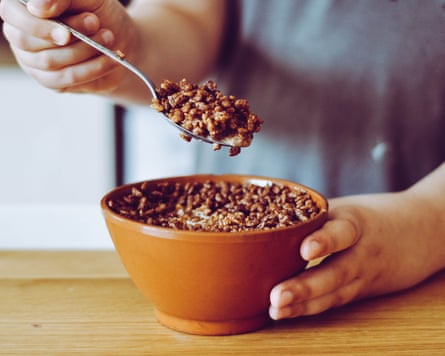
This is partly down to your body's hunger signals. "Some research suggests that sleep loss can alter appetite hormones such as leptin [which signals fullness] and ghrelin [which stimulates appetite]," says Gill. "One study showed that one night of inadequate sleep can increase ghrelin levels and decrease leptin levels." As a result, "poor sleep is associated with increases in energy intake, mainly from snacking, especially on foods higher in fat and carbohydrates. One review found that people who are sleep-deprived consume an average of 385 calories extra the following day compared with controls."
St-Onge's research has found this hormone effect varies by sex: "Ghrelin tends to rise before a meal, signalling hunger. We've shown that it increases to a greater extent in men who haven't had sufficient sleep." In sleep-deprived women, on the other hand, leptin – "the satiety signal" – is suppressed. But the result is the same: overeating.
It's not just about ghrelin and leptin. "I always tell people that we don't necessarily eat because we're hungry, right? People have many reasons to eat, and eat despite lack of hunger," says St-Onge. She says our brain reward centres are affected by how much sleep we've had the night before, and the "hedonic signals – the things that make food more appealing – tend to be more intense after a period of short sleep. So you're more susceptible to reaching for appetising or pleasurable foods." Who hasn't chosen the pain au chocolat over the porridge after a bad night?
Does this mean poor sleep will make me gain weight?
In the long term, it certainly increases the likelihood. "Studies show that people who regularly sleep less than six hours tend to gain more weight over time, and increasing sleep to seven or eight hours can help with appetite regulation," says Campbell. As well as disrupted hunger hormones, there are a number of explanations. "Observational studies show those who don't get enough sleep tend to eat less fruit and vegetables, more sugar, less protein and less fibre. Staying up late at night also means that you might get peckish and be more tempted to snack. And when tired, we may be less motivated to be active and to cook from scratch, relying more on quick, less nutritious foods and fizzy, sugary drinks."
Does the time I go to bed affect what I eat the next day?
"Most of the research focus is on chronotype [your body's natural preference of when to sleep and wake] – if you have a late chronotype versus an earlier chronotype," says St-Onge. So is it better to be an early bird or a night owl? "Typically, people with earlier chronotypes tend to have more healthful diets and exercise more," she says. Plus, "people who have an earlier chronotype have an easier time getting adequate sleep duration because their sleep is more aligned with the societal clock". Unfortunately for late risers, chronotypes are thought to be largely genetic.
I do shift work – how can I eat and sleep well?
"Shift workers report less healthy diets compared with day workers, and shift work is associated with increased risk of cardiovascular disease and type 2 diabetes," says Campbell. She suggests "eating the main meal before a night shift, and choosing lighter, nutrient-rich foods overnight". This is easier said than done, says St-Onge. "It's difficult because it's a whole culture that needs to change – people tend to bring in treats to have in the middle of the night."
Should I take magnesium?
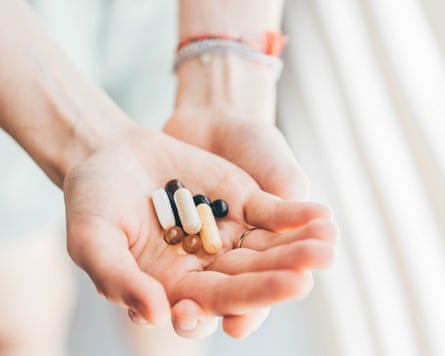
"Try science-backed sleep strategies first, focusing on regularity, timing, temperature and lighting," says Gill.
Campbell agrees: "Rather than looking to supplements, it's more helpful to look at the bigger picture. Take a look at sleep routine, stress levels, alcohol and caffeine intake, activity levels, and any underlying health issues that might be affecting rest, such as sleep apnoea, menopause symptoms or frequent night-time waking."
If you've sorted your diet, exercise, sleep hygiene and general health, however, there is some weak evidence that magnesium may help. "Observational studies have linked magnesium with sleep-promoting effects, whereas limited gold-standard trials report mixed results," says Gill. "A recent randomised controlled trial in adults with self-reported poor sleep quality supplemented with magnesium glycinate found modest improvements in insomnia severity. Another study showed that supplementation with magnesium threonate improved sleep quality and daytime alertness in people with self-reported sleep problems."
Do I need added vitamins?
B vitamins and vitamin D are also commonly believed to help with sleep – are supplements advisable? "B vitamins are abundant in the diet – typically, people don't have any deficiencies in those," says St-Onge. "Vitamin D is something that could be problematic, especially if you don't drink fortified dairy products. We can produce vitamin D from sunlight, but in some populations the sun is not sufficient, so that could be something that could be supplemented." In the UK, government advice is to consider taking vitamin D in autumn and winter.
What about melatonin?
"Melatonin is a hormone that helps regulate the body's sleep-wake cycles," says Gill. "It's often called the 'hormone of darkness' because its levels increase as evening approaches, signalling to your brain and body that it's time for sleep. Rather than acting like an on-off switch, melatonin works more like a dimmer switch – preparing your body for sleep without directly causing it." So should insomniacs take supplements? "Melatonin supplements are most effective for shifting the timing of your sleep, rather than as a routine, everyday sleep aid," says Gill. "Melatonin can also be really helpful for managing jet lag. When used at the right time, melatonin can help fool the brain into thinking it's night-time."