The UK has told people to fill their pantries with food for three days in case of catastrophe, joining a host of countries urging citizens to ready themselves for core systems failing.
Such advice, once dismissed as the preserve of preppers, has become more common in government circles as climate breakdown worsens weather extremes and geopolitical tensions turn cyber-attacks and sabotage into a regular occurrence.
Even in countries with national strategic food stockpiles – a buffer the UK lacks – authorities have asked individuals to play their part in societal resilience.
What actions do Britain's allies – from the US and Europe to India and Australia – recommend people take before disaster strikes?
France calls the first 72 hours a "decisive period" in which people should monitor TV and radio news for official updates, and keep an emergency kit close by in case they have to get out fast.
In addition to the essentials, such as food, water, medicine and cash, the guidelines recommend filling the go-bag with photocopies of documents, spare sets of house and car keys, and even games to pass the time.
The strategy emphasises the need for solidarity and calls on people to be in close communication with loved ones, resist rumours and disinformation, and consider volunteering as a reservist or with civil protection organisations. Experts have warned that maintaining societal cohesion is crucial during crises.
As far back as the 1960s, households in West Germany were encouraged to stockpile 14 days of canned food – a target that few seem to have reached despite cold war tensions.
About a decade ago, the recommendation fell to 10 days, and guidance issued last October said households should do this "where possible", describing even three days' worth of supplies as "a big help". Almost half of Germans fail to meet this threshold, a YouGov poll for the German Press Agency found in January.
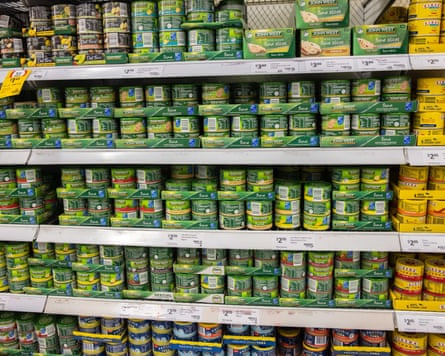
Guidelines from the Federal Office of Civil Protection and Disaster Assistance recommend stockpiling durable foods that are ready to eat, in case cookers stop working, and foods that have short cooking times, allowing fuel for a camping stove to last for more days in a blackout.
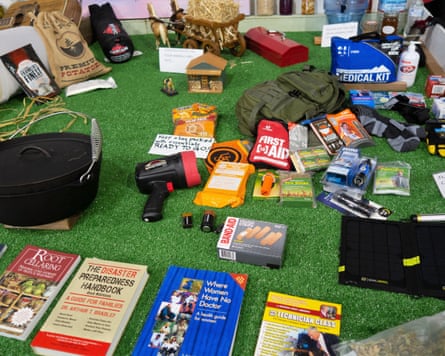
The checklist of items also features a hand-crank or solar-powered radio, a paper list of important phone numbers, and a well-stocked medicine cabinet.
The US emergency readiness campaign, launched in 2003, recommends people "make a plan today", noting that members of a family may not be together when disaster strikes.
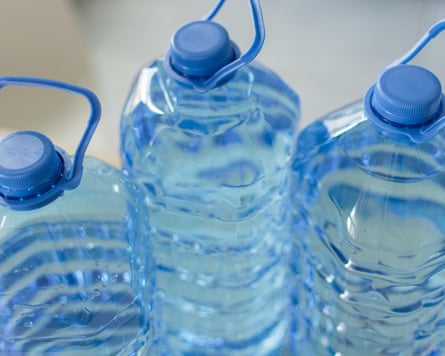
Its toolkit foresees people storing enough water for each person to have one US gallon (3.8 litres) a day, both for drinking and sanitation, as well as items such as a whistle to call for help, a dust mask to filter contaminated air and plastic sheeting for shelter.
Food supply advice varies between states, ranging from a few days in California to more than two weeks in Hawaii.
The guidance suggests families rethink the contents of the kit each year as their needs change. It also calls for storing supplies at home, at work and in the car.
Nordic countries have ramped up emergency preparations since Russia's full-scale invasion of Ukraine in 2022.
The Finnish advice describes home emergency supplies, including backup power and hygiene articles, as an "excellent basis" for many situations, while warning against hoarding.
It recommends people have enough for at least three days and says these supplies can help even when mundane obstacles such as illness keep one from going to the shops.
Secure silos of grain that make up Finland's ample strategic reserve provide an extra layer of security, designed to feed the population for nine months if supply chains collapse or domestic production fails.
The Swedish advice, which is framed around conflict but also covers pandemics and extreme weather, says people can "contribute to collective preparedness" if they can manage on their own for at least one week.
It includes specific tips such as growing berries on windowsills, freezing bottles of water, which can function as ice packs if freezers break and then be drunk once the ice melts, and, if the toilet will not flush, disposing of excrement in plastic bags covered by sawdust.
The Norwegian guidelines, which are offered in 30 languages, also encourage people to be able to "fend for themselves" for at least a week when systems such as the internet, mobile phone networks and bank payments are down.
The country is particularly reliant on electricity for home heating, and recommends people store warm clothes, sleeping bags and candles, and keep fireplaces and chimneys clean.
"In a crisis or war, people must be prepared for the fact that not everything will work as normal," it warns. "The help will first go to those who need it most."
The Danish advice gives a sample three-day meal plan, which includes 500g of crispbread, 300g of canned mackerel in tomato sauce, 300g of chickpeas and kidney beans, 500g each of pasta and groats, and 1.5kg of tinned vegetables, as well as 100g of nuts and some vegetable oil.
The Australian government can declare a national emergency but individual states and territories are mainly responsible for management.
Most authorities recommend storing supplies to last three to seven days, though the New South Wales health service recommends planning for two weeks. Its "pantry list" recommends giving special consideration to family members with special needs, such as babies, pregnant women and those who are old or ill.
Its fire services also have detailed guidance on preparing for bushfires, ranging from trimming vegetation to wearing a wide-brimmed hat to protect the head from falling embers and respirator masks to avoid the worst of the smoke.
India's disaster preparedness checklist, prepared by the National Centre for Disease Control, recommends finding out which hazards threaten your home and finding safe spots for each type of disaster.
It calls for storing at least a three-day supply of water and food, prioritising products that require little cooking or refrigeration, while avoiding very salty or spicy ones.
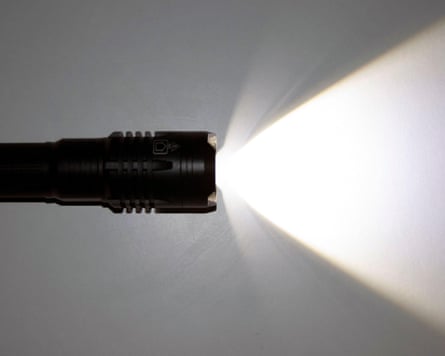
The recommended emergency bag includes a battery-operated torch, chlorine tablets to purify water, a first aid book, and thick ropes. It recommends practising evacuation drills with all family members twice a year. The checklist also explicitly warns that the climate crisis is likely to lead to more frequent and severe disasters.