Economic growth in the UK slowed between April and June, as the fallout from Donald Trump’s war on Iran put a strain on global finances.
The UK economy grew by 0.4 per cent in the second quarter of the year, according to the Office for National Statistics, down from 0.6 per cent in the first quarter.
But the ONS said firms across the service sector reported buoyant trade thanks to extreme hot weather and the start of the World Cup football tournament.
Liz McKeown, ONS director of economic statistics, said: “Growth slowed in the second quarter of the year, following a strong start to 2026, but remained relatively robust.”
“Services also drove growth in June, with some businesses reporting that good weather and sporting events may have had a positive impact that month,” she added.
ONS data showed growth of 0.3 per cent month-on-month in June, against expectations for a flat performance.
The conflict in the Middle East has driven energy prices higher since February and pressed down on consumer sentiment.
Chancellor John Healey acknowledged the impact of the war in Iran, as he pledged to “give breathing space” to those affected by the cost of living crisis.
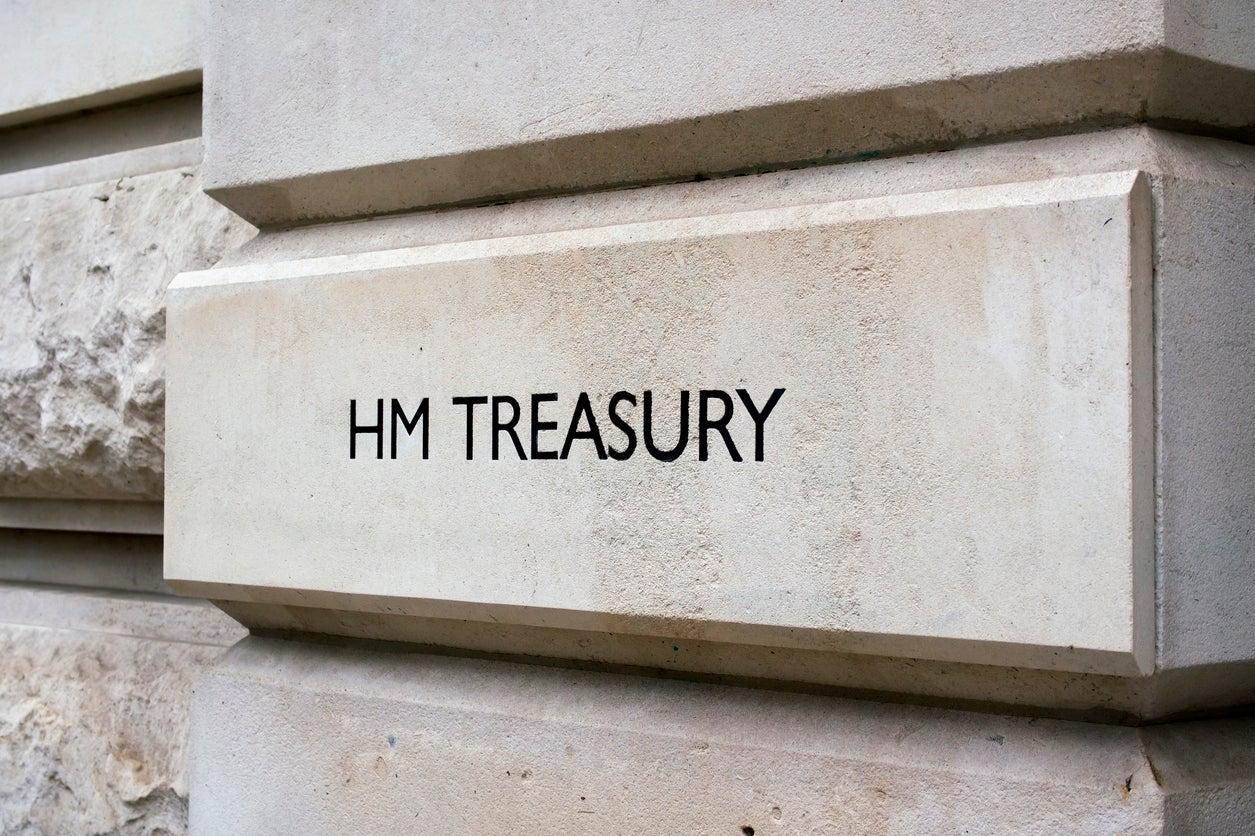
“I know people are worried about the impact of the conflict in the Middle East on their cost of living, which has been too high for too long and it has added pressure on British businesses,” he said.
“This is an active, hands-on government, putting British interests first – giving breathing space to those feeling the strain, making our country more resilient and bringing hope back.
“We’ve seen the fastest growth in the G7 this year, but we now need to double down and drive growth in every postcode.”
Sir Mel Stride MP, shadow chancellor, said:"Our economy is struggling because Labour have no plan for growth."Labour have mismanaged the economy with their tax and borrowing spree, leaving it weak and vulnerable to the effects of shocks like the Iran War. Yet Andy Burnham is gearing up to tax and borrow even more, doubling down on those failures.
"Labour need to realise that it’s their poor decisions which have stifled growth and made the cost of living worse."
A quarterly increase in GDP is overall good news for Andy Burnham, who has said he wants to achieve “growth in every postcode” of the UK as he began his tenure in Downing Street last month.
He opened a new headquarters for the centre of government in Manchester in late July, named No 10 North, where he is expected to work once each week as part of his move to push power out of Westminster.
But the business leaders and economists are warning against placing more pressures on firms who are already struggling after successive years of the rising cost of employment, high inflation and supply constraints.
Stuart Morrison, research manager at the British Chambers of Commerce, said: “Faced with global headwinds from the Iran conflict, the UK economy showed welcome resilience.
“The service sector performed particularly robustly, alongside a welcome return to growth in construction. But the headline figures shouldn’t disguise the cocktail of cost pressures choking long-term business growth.
“This is not a new problem. Our analysis shows domestic policy-driven costs for a typical SME have risen by more than 70 per cent over the past decade.
“The Autumn Budget must be a game changer for stronger, sustainable growth. We need measures that boost trade, investment and productivity. In short, the Chancellor must back business, cut costs and deliver growth.”
The Trades Union Congress demanded an overhaul of the Office for Budget Responsibility (OBR), arguing it has hamstrung growth prospects.
“If the prime minister really wants good growth in every postcode, he needs to put the turbo boosters on his reindustrialisation agenda and ensure the country is getting the investment it needs,” read a statement from TUC general secretary Paul Nowak.
“That's why we need to see root and branch reform of the Office for Budget Responsibility. For too long the OBR has acted as a straitjacket on growth - preventing the long term investment necessary to deliver good jobs, boost living standards and fuel growth across the country.
“This has to change. A comprehensive fiscal commission should independently assess the OBR’s models and make sure it can support growth up and down the country.”
Several analysts suggested that part of the uptick in spending was potential stockpiling as the Iran war sowed fears on future rising prices, meaning the next quarterly reading for the UK economy could see deceleration in growth as those brought-forward purchases would not have all been made again further down the line.
However, the exceedingly warm weather and one-off events like the Fifa World Cup have also driven increased spending in a boost for some sectors.
The task now is for the government to help maintain that momentum, not stunt it - which means not repeating the mistake of Rachel Reeves, says Quilter’s head of research, Richard Carter.
“As we go get closer to October’s Budget, it is vital that the new administration does not repeat the same mistakes as the last one and choke off any growth by allowing speculation of tax rises to run rampant,” he said.
“The last two Budgets have seen consumers and businesses hold off on decisions and spending, preferring to wait until due to the uncertainty created, so clear messaging and a more coherent narrative from Andy Burnham and John Healey should ultimately be beneficial for growth.”
Additional reporting by PA