Inflation surged to 3.5% last month while the government deficit was a worse-than-forecast £24.5bn, in a double dose of bad news for John Healey before next week's budget.
The Office for National Statistics said annual inflation rose from 3.1% in August, overshooting City forecasts of a rise in the consumer prices index (CPI) to 3.4%, as a result of the surging cost of fuel.
Oil and gas prices have soared since the end of February, when the US and Israel launched their war on Iran, throttling gas and oil flows through the strait of Hormuz.
Rising inflation has also contributed to higher government borrowing costs – the key factor behind the deterioration in the public finances since the spring statement in March.
Official figures show the government paid £10.9bn in debt interest last month: the highest September figure since records began, and only the eighth time the monthly number has been above £10bn.
Some government bonds are directly linked to inflation, with payments rising in line with it. The ONS said higher inflation had added £4bn to debt interest costs in September alone.
Total government debt is estimated to have hit £3tn for the first time – although as a share of the size of the economy it has fallen to 94%, from 95% a year ago.
In the financial year so far, public sector net borrowing is £97.8bn, the ONS said – £4.4bn lower than last year, but still £6bn higher than the independent Office for Budget Responsibility had expected.
The twin pieces of bad news underline the fact that consumers are facing a renewed cost of living squeeze, just as Healey is also under increased financial pressure.
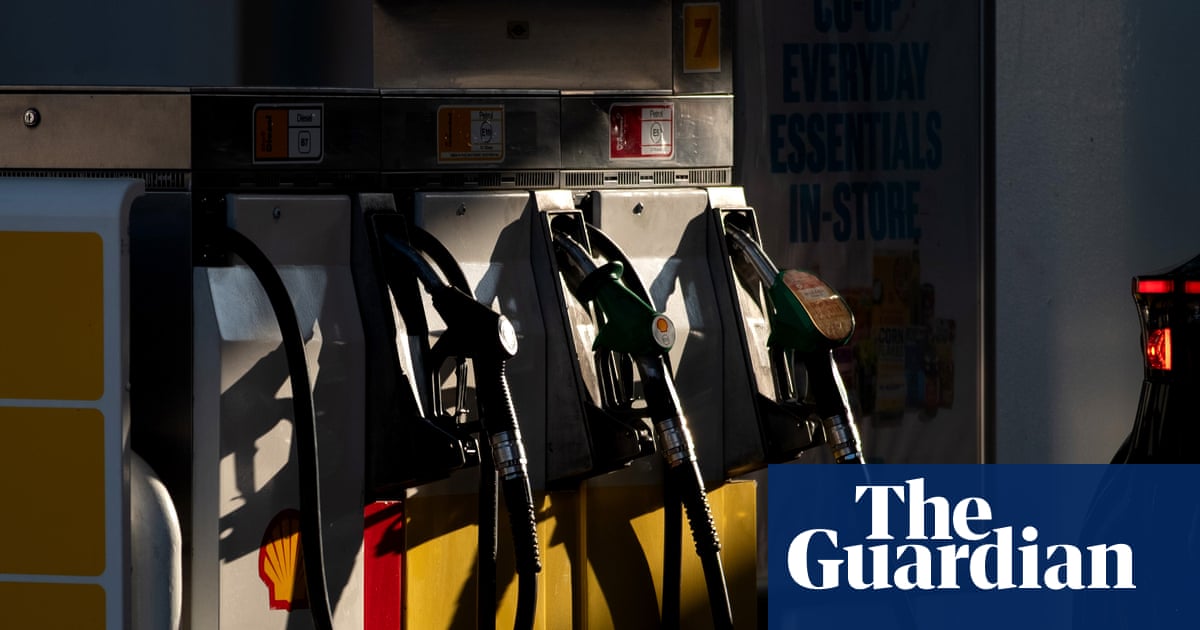
The ONS said a rise in the cost of motor fuels was the single largest factor pushing up inflation in September. The average price of petrol rose by 8.2p a litre from August compared with a fall of 0.2p in the same period last year.
Diesel, which is often refined in the Middle East, rose by 10.7p a litre last month compared with a fall of 0.4p a litre in September 2025. Air fares, which are heavily affected by the price of fuel, dropped in September by much less than usual after the traditional summer peak.
In better news for the chancellor, the cost of clothing fell slightly and food prices growth remained steady at 1.3% as competition among supermarkets offset increases in transport costs.
Rising prices make it even more likely that Bank of England officials will raise interest rates from their current 3.7% level when they meet next month. Rate setters are concerned that inflation will jump above 4% next year as the price of a wider range of goods increases in response to higher oil and gas prices.
September's reading commits the chancellor to raising most working-age welfare benefit payments from next April by more than expected. For instance, the 3.5% rise will uprate weekly child benefit by 95p to £28 for the first child.
It also means a bigger than forecast inflation-linked rise in business rates in England. The tax firm Ryan said this could raise more than £1bn in extra receipts for the Treasury and would be paid mostly by organisations in the hospitality, leisure, education, health, transport and utility sectors.
September's CPI reading came in lower than the 3.9% wage growth figure for the three months to July, meaning that the state pension will almost certainly rise by the latter figure under the formula that dictates the triple lock.
Healey blamed the inflation rise on the war in the Gulf. "We know that price rises from conflicts in the Middle East and Europe are hitting Britain and countries worldwide," he said, adding that his budget would "drive for growth in every postcode" to improve living standards.
Charlotte O'Leary, an economist at the National Institute of Economic and Social Research, said the run of three months of rising annual inflation was likely to continue through the winter, even if there was some resolution to the conflict in the Middle East.
"Higher fuel and transport costs will likely push up food prices, and January's large price cap increase will land as household energy demand peaks. Given this, inflation could reach 4%, double the Bank of England's target, by early 2027," she said.
Martin Beck, the chief economist at the consultancy WPI, said the higher than expected inflation rate meant it was almost inevitable that Bank of England officials would raise interest rates when they met on 5 November, but he cautioned against persistent rises in the cost of borrowing.
"Raising interest rates cannot produce more oil or gas, and further tightening risks weakening an already fragile economy," he said.