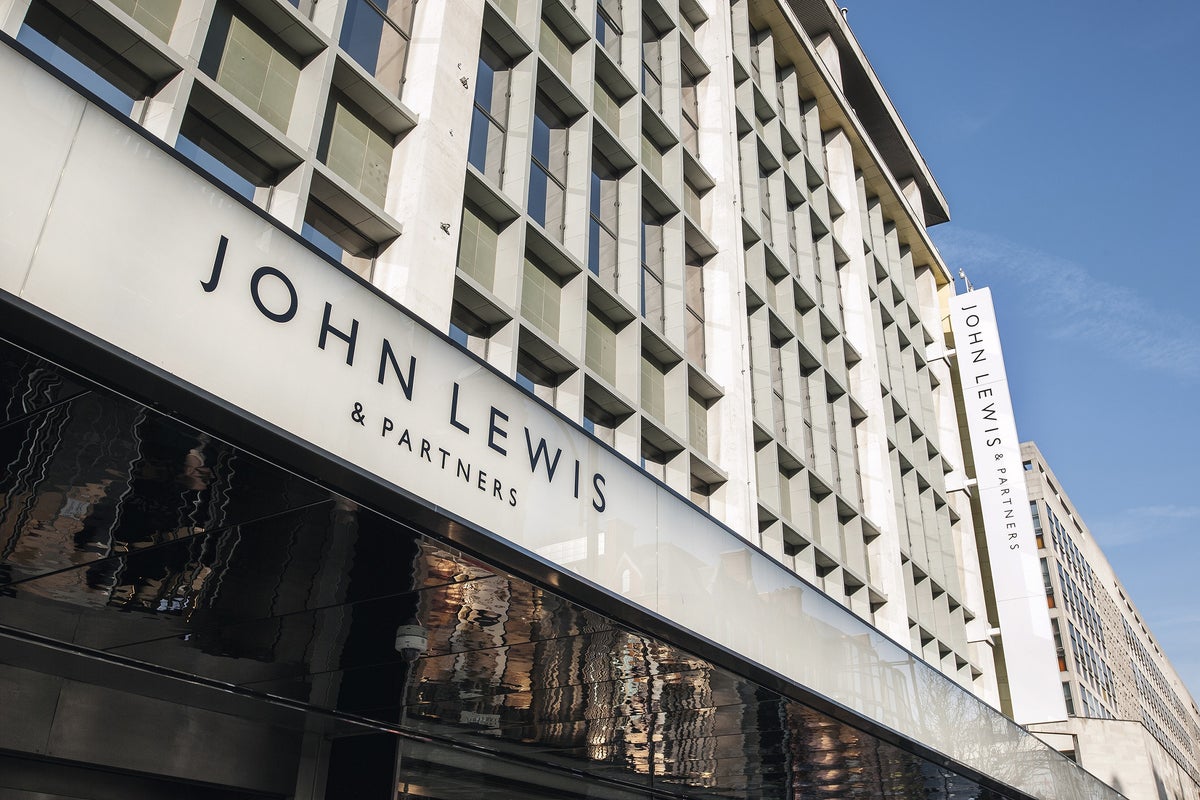
The John Lewis Partnership (JLP) is creating 10,000 seasonal jobs, including 6,000 in Waitrose.
The annual recruitment drive will see roles created to cover the run-up to Christmas, as well as Black Friday, in what experts describe as the “golden quarter” of the year for the retail industry.
The business, which operates Waitrose supermarkets alongside John Lewis department stores, will create around 6,000 temporary roles in Waitrose stores. A further 2,600 will be across 36 John Lewis stores and around 1,800 roles will help towards supporting distribution centres and supply chain.
JLP say in previous years, around three-quarters of the seasonal roles went to employees aged 25 and under, giving a potential boost to young workers. Recent data showed almost a million young people were not in education, employment or training.
This year's recruitment represents a reduction compared to last year's record Christmas drive, when JLP targeted 13,700 festive workers.
Helen Webb, chief people officer, said: “These roles appeal to people of all ages and backgrounds, and we’re excited to welcome great candidates across the board. At the same time, we know retail is a vital stepping stone for young people entering the workforce. With youth unemployment remaining a significant challenge, we recognise the role we play in providing meaningful opportunities to learn and grow.
“Our seasonal roles are more than just a job for the festive period; for many, they are a catalyst for building confidence and kickstarting a long-term career.”
The group has confirmed salaries for seasonal roles will start at £13.00 (£14.55 in London), rising to £13.25 (£14.80 in London) after 30 days. Flexible and blended working options will be available, it added.
Within the wider jobs tally, JLP says it aims to recruit 100 young people who’ve experienced the care system, with interviews guaranteed for care-experienced young people who complete a job-shadowing placement. There will be 250 shadow roles on offer across September to December.
“By offering thousands of roles to under-25s and guaranteeing interviews for care-experienced young people, we are actively helping to break down barriers to employment and investing in the future of our communities,” Ms Webb added.
Seasonal shop roles will go live later in September, though candidates are able to register their interest and get job alerts now.
Meanwhile, the latest research from CV-Library shows that compared to last year, almost three times as many jobseekers are now writing their CVs deliberately for robots reading it rather than humans, as people adapt to the inclusion of AI in different industries.
Close to three in ten people (29 per cent) now do this, the data shows - but rather than having a positive effect on job chances, more than two-thirds (69 per cent) of recruiters say it’s making it impossible for jobseekers to stand out, agreeing that “AI-generated applications make it harder to identify the strongest candidates.”
Alec Stanwell, director of marketing at CV-Library, said: “Candidates are becoming so focused on writing for AI that they risk forgetting their real audience – the human making the final hiring decision. AI can help improve an application, but it shouldn't remove the personality, skills and real-world examples that can make a candidate stand out.
“For employers, increasingly polished applications mean it's important to look beyond the CV, using interviews and skills-based assessments to understand what a candidate can do. The goal should be to identify the candidate who genuinely fits the role best, rather than simply the application that appears to look the strongest, as it's clear, overly polished CVs can do the opposite effect.”