For Fatin, one of the teenage girls now living in limbo in a makeshift camp in the Spanish city of Ceuta, the decision to leave her home in Morocco began to form when she had to give up school.
She wanted to continue studying, she says, but at home she was expected to take responsibility for the housework instead. As classes and learning gave way to domestic chores, the future she had imagined for herself began to feel increasingly distant.
Fatin was one of 29 girls who shared their feelings about their past and future with the Guardian. All of them had been part of the mass crossing from Morocco in late July that made headlines around the world.
Nearly a month later, the girls are among hundreds of young Moroccans sleeping in an improvised settlement in El Príncipe, one of Ceuta's most deprived neighbourhoods – uncertain if they will be allowed to remain in Spain or returned to Morocco.
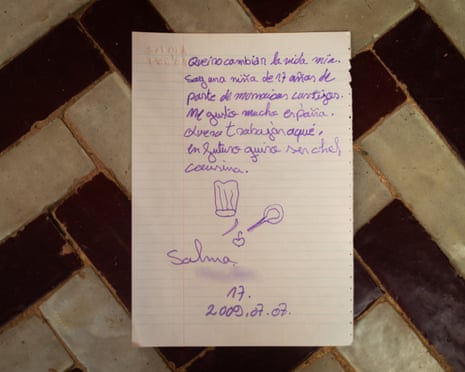
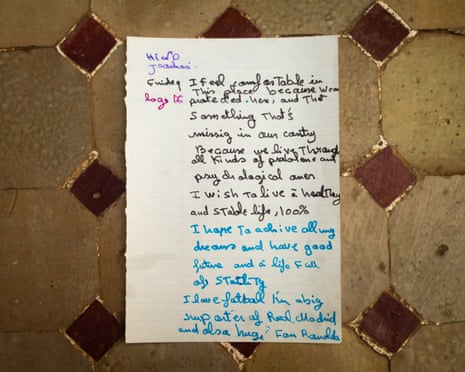
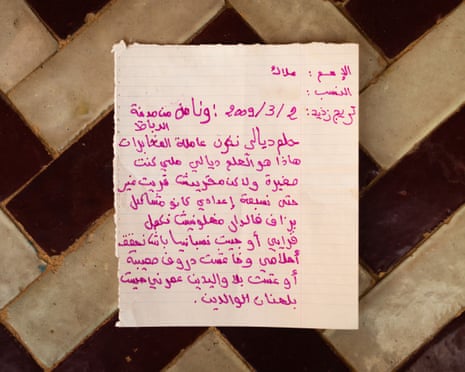
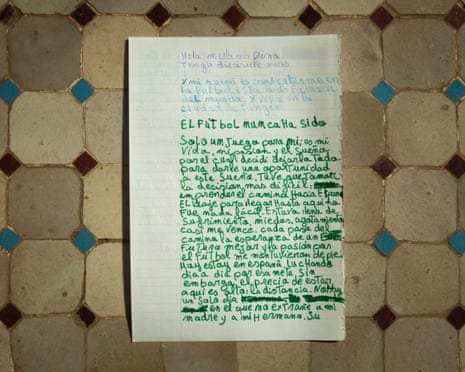
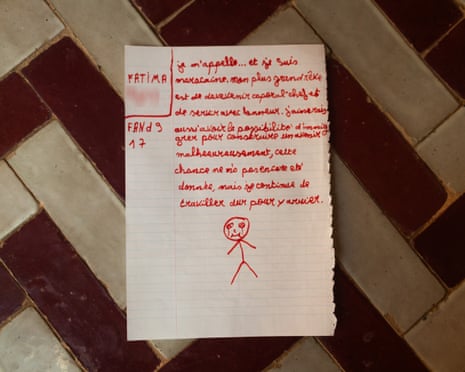
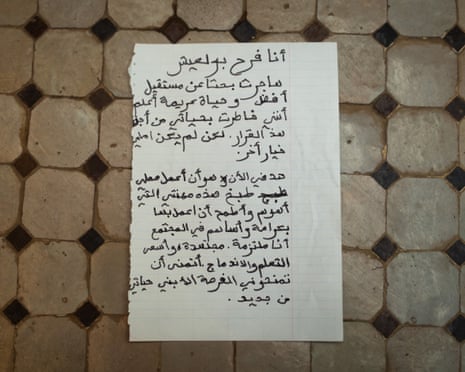
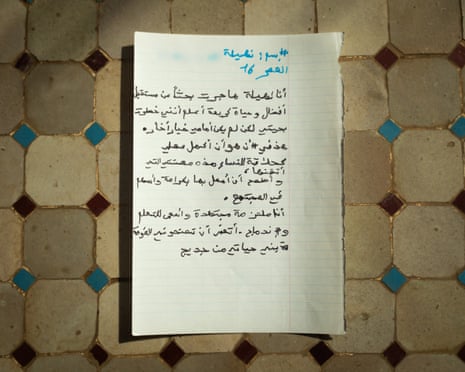
For the girls who shared their thoughts, writing in Arabic and Darija, Spanish, French and English, the same aspirations surface repeatedly: to finish their education, to work, to earn their money and to have a greater say over the decisions that will shape their adult lives. Many wrote about professions. One wanted to be a nurse. Another a psychologist. Others imagined becoming chefs, footballers or sport trainers.
Some hope that if they succeed in Spain, they will be able to help their parents financially. Others describe conflict at home, interrupted schooling or restrictions they did not want to accept. What connects many of the conversations is less a rejection of Morocco than a desire to have more control over what comes next.
Malak, 17, says problems within her family prevented her from continuing her studies. She had known since childhood what she wanted to do: work in the intelligence services. Reaching Spain, she says, was partly an attempt to recover a future she felt had been closed off to her.
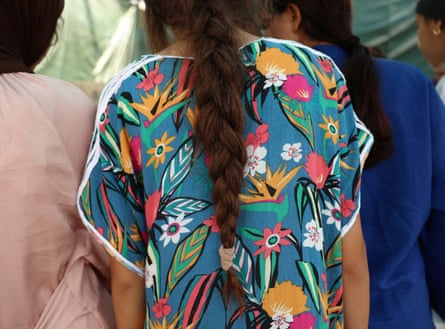
Others describe different pressures. One teenager says she does not want her family or anybody else to decide who she should marry. She wants to choose for herself. Another speaks about the difficulty of imagining financial independence in a place where she saw few opportunities to work.
In Morocco, the gap between men and women's participation in the labour market remains stark. In the second quarter of 2026, just 18.1% of working-age women were part of the labour force, compared with 66.5% of men, according to Morocco's High Commission for Planning.
The imbalance begins long before women enter the workplace. Women and girls aged 15 and over in Morocco spend 20.8% of their time on unpaid care and domestic work, compared with 3% for men and boys, according to figures from the Organisation for Economic Cooperation and Development (OECD).
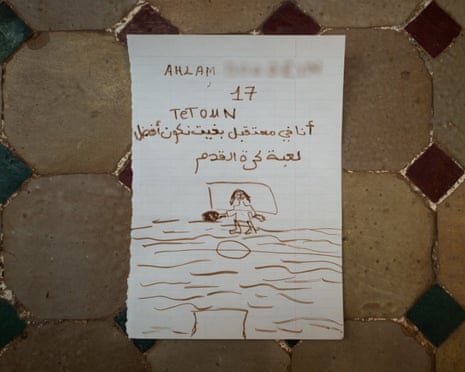
For Wiam, 16, her professional aspirations coexist with a strong sense of responsibility towards the family she left behind. She came from a town on Morocco's Mediterranean coast, and wrote that she wanted to continue her studies and pursue a football career in Spain. But then she added another reason. "And also, to take a little of the burden off my parents," she wrote. "God willing, I hope I achieve everything I came for."
Other ambitions are expressed in only a few words. Soraya is 16. She came from a town near the border with Ceuta. She writes that she wants to become a nurse.
Some girls describe their ambitions in broader terms. One teenager writes that what she wants is "a healthy and stable life". Another, 16, says she came in search of "a better future and a dignified life" and hopes to work in the restaurant industry. "I want to work with dignity and contribute to society," she writes.
For now, their immediate needs are more basic than the futures they describe on paper. Safe accommodation, healthcare, privacy, education and clear information about what comes next. Ahmed Enfed-dal, president of the El Príncipe neighbourhood association, says local people have tried to create a protected space for the girls. But the limits of that protection are obvious.
"If they need to go to the toilet or take a shower, we try to make sure they are accompanied and never alone," he says. By 17 August, prosecutors in Ceuta had recorded 13 formal complaints of sexual assault since the mass crossing began, with three minors among the victims.