The NHS has announced that women across England who have not attended their cervical screening appointments will be offered free at-home HPV testing kits.
The rollout for these new self-testing kits began on Tuesday, August 25, in a bid to encourage more women to take part in screening for human papillomavirus (HPV), a virus that can increase the risk of cervical cancer.
The kits include a vaginal swab, which allows women to collect a sample themselves at home. The sample can then be posted free of charge to an NHS laboratory, where it will be tested for high-risk HPV.
If high-risk HPV is detected, the patient will be invited to attend a cervical screening appointment with a healthcare professional for further assessment.
Following the announcement, we spoke to Dr Lucy Lord, founding partner and women’s health lead at Central Health London, who shared five important things every woman should know about cervical cancer…
1) HPV is very common, but only some types are high risk
“HPV is a very common virus. If you are sexually active, you will have almost certainly caught at least one of the types of HPV viruses,” says Lord.
Most people’s immune system clears about half of HPV infections within six to 12 months, but if you have a long-lasting (persistent) infection with a high-risk type of HPV you are more at risk of developing cervical cancer, according to Cancer Research UK’s website.
Around 14 types of HPV are considered high risk for cervical cancer. Two of these types (HPV 16 and HPV 18) cause about 70 out of 100 (70%) of all cervical cancer cases, according to Cancer Research UK.
“Some of them are oncogenic viruses, so are known to cause cancer,” says Lord. “They can insert themselves into the DNA of the vulnerable cells in the squamocolumnar junction [on the cervix], and cause mutations within those cells that turn them into cancer.”
2) The HPV vaccine offers effective protection against high-risk HPV strains and related cancers
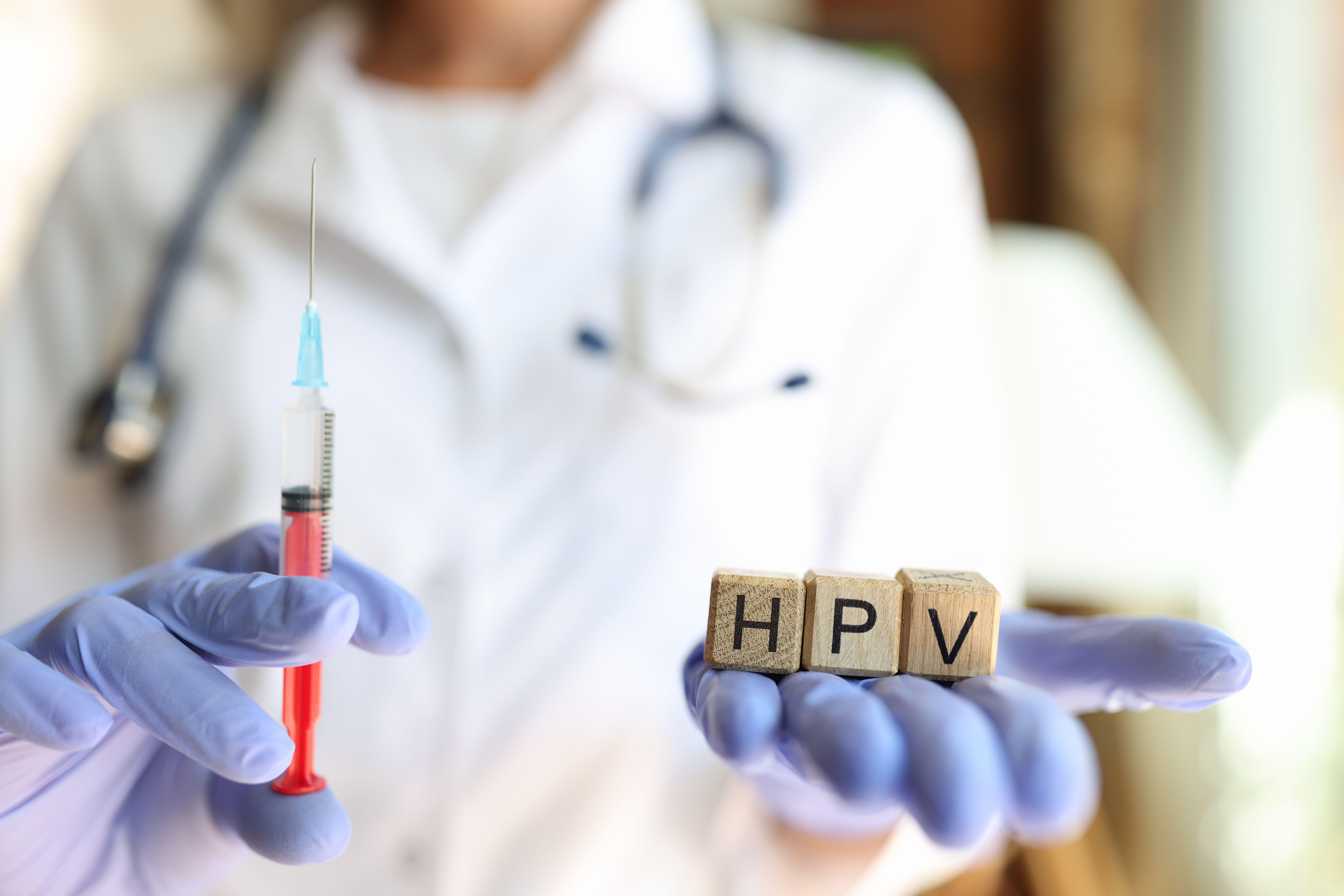
The HPV vaccine helps protect against HPV and is recommended for children aged 12 to 13 years old and people at higher risk from HPV, according to the NHS website.
“In private practice, we offer women in their 20s and 30s who missed being vaccinated a HPV vaccine,” says Lord. “Although it might not be cost-effective from a population perspective, it’s very effective for that individual, and it will still reduce the risk of them catching a virus that is around long enough to cause cancer.”
3) Irregular bleeding is a common symptom of cervical cancer
“There are some indicators of cervical cancer. For example, irregular bleeding or bleeding in between your periods, and particularly bleeding after intercourse,” says Lord.
“Abnormal discharge and blood stain discharge are also symptoms of cervical cancer.”
Pain in your lower back, between your hip bones (pelvis), or in your lower tummy is also listed as another common symptom of cervical cancer on the NHS website.
4) Routine cervical screening can detect cellular changes before cancer forms
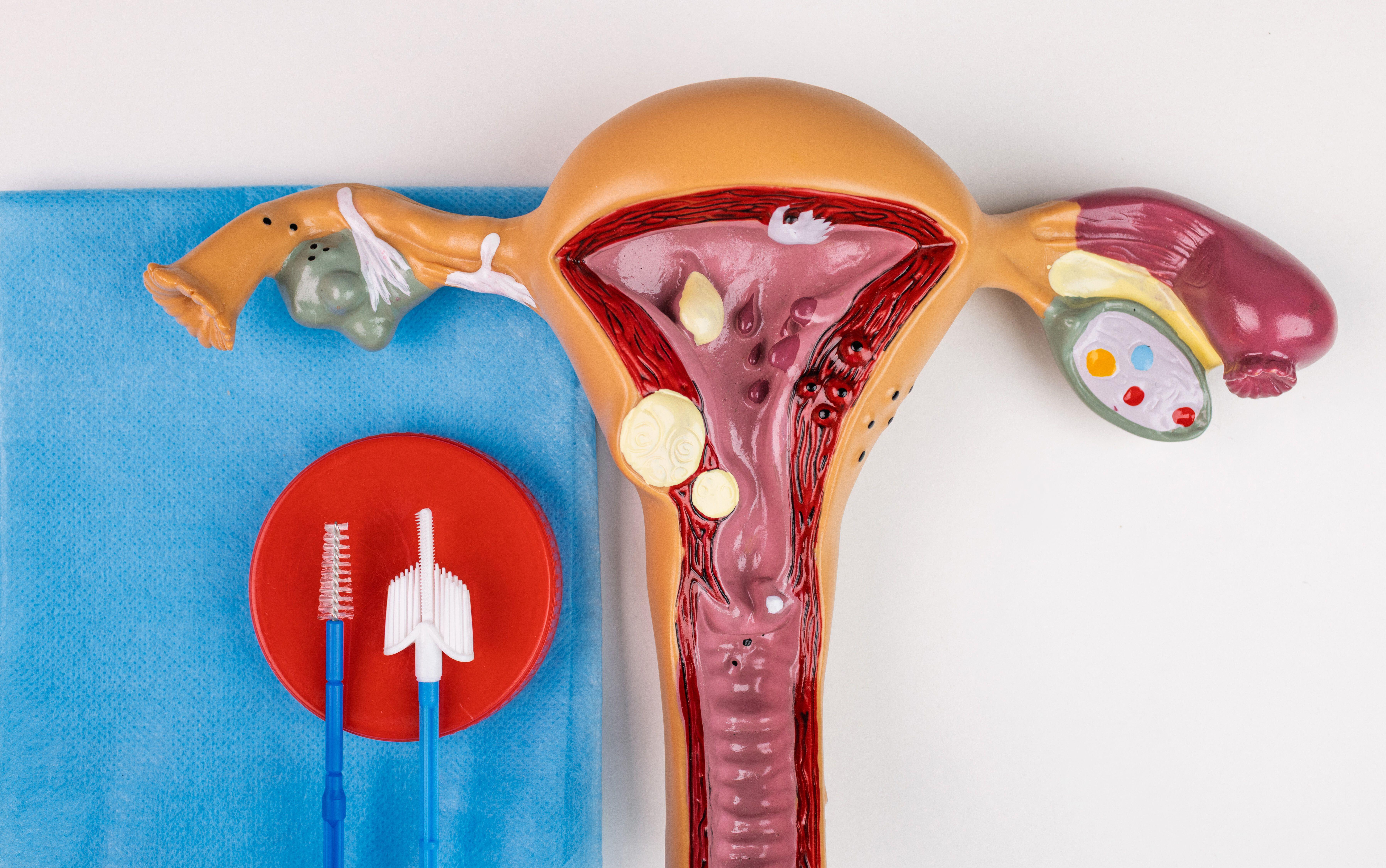
“There are several stages (mild, moderate and severe) that can be detected before cancer develops,” says Lord.
“A pap smear can spot abnormal or pre-malignant changes in the cells and there are several ways to treat the precancerous cells to stop them from becoming cancer.”
All women aged 25 to 64 are invited for cervical screening every five years, according to the NHS website.
5) Cervical cancer can be treated
For some very early cervical cancers, it might be possible to remove all of the cancer with a large loop excision of the transformation zone (LLETZ) or a cone biopsy, according to Cancer Research UK.
“There are also different surgical procedures for cervical cancer, but if the cancer is too far advanced to be treated with a LLETZ biopsy or surgery, radiotherapy and chemotherapy are the standard treatments,” says Lord.