It is a sound you are more likely to hear during a summer holiday in Greece than in a churchyard in Derbyshire.
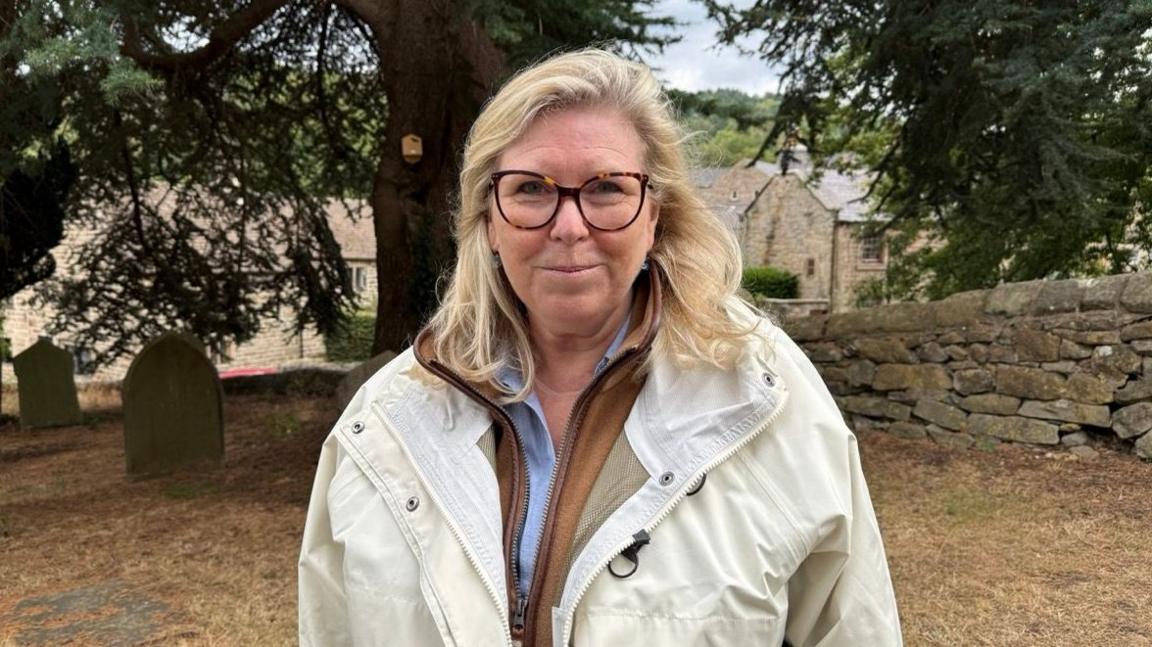
Angela Neale initially thought there was an electrical fault or a "drone trapped up in a tree" when she heard a persistent buzzing near her home in Matlock.
But when a passer-by likened the noise in the St Giles' churchyard to a cicada a few days later, she began to consider the possibility the insects might be in the area.
Cicadas are large, plant-feeding insects, famous for the loud, buzzing mating songs males make during warm summer months. They are found all around the world, but they thrive in high temperature and tropical climates.
Neale thought the Matlock cicadas could be the New Forest cicadas, which the Species Recovery Trust has tried to reintroduce into the UK, about 20 years after they went extinct.
The insect was last seen in the New Forest in the 1990s, and specialist listening equipment was used to locate the insect in France.
Its eggs were hidden inside the stems of bracken, samples of which were transported to the UK in June with the aim of re-establishing the species.
'Not our cicadas'
Neale attached a video she took of the buzzing noise coming out of one of the trees in the churchyard next to her home.
That video was forwarded to The Species Recovery Trust, and verified by the director and founder of the wildlife charity, Dominic Price.
Price was able to identify the sound as a male cicada's mating song.
However, he said: "We are working on a project to reintroduce the New Forest cicada, but we are at very early stages with this and at the moment our cicadas are all safely in captivity at Paultons Park (a zoo based in Hampshire), undergoing a very complex breeding cycle.
"So these are not our cicadas."
The trust also said it has received reports of non-native cicada sightings across the country "pretty much every day".
"The big difference with our native one is it calls at such a high frequency that I wouldn't be able to hear that noise. In fact, anyone pretty much over the age of 30 can't hear it," Price added.
"The very fact I can hear it tells us that, yes, this is a cicada, but it's not one of our native cicadas."
After cicadas were confirmed at the churchyard, Neale said she was both interested and excited.
"It became that soundtrack you get when you're on holiday.
"And we thought, wow, it really is hot in Matlock if we've got cicadas making that noise."
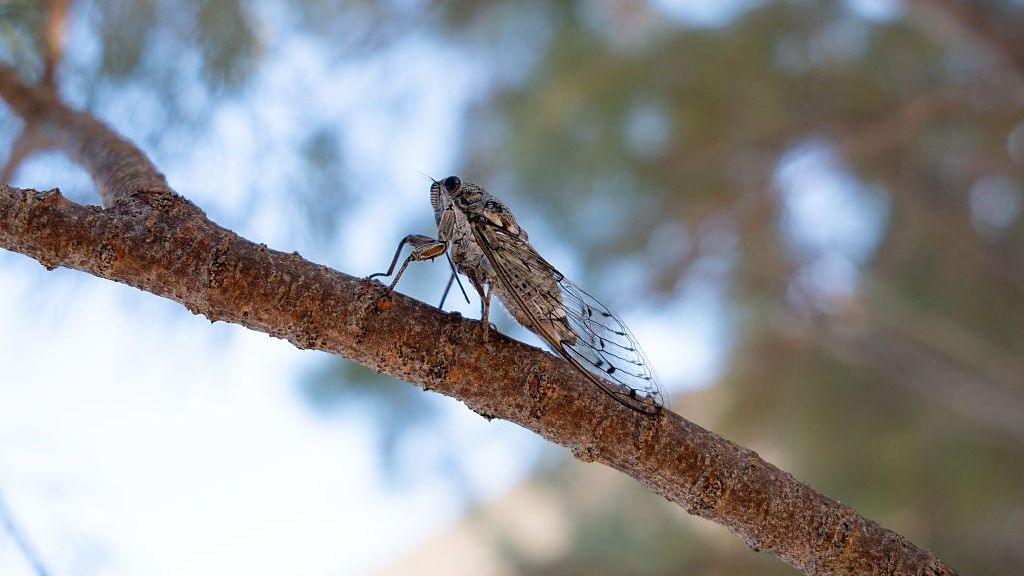
The SRT believes the foreign insects made their way into the UK through the horticultural trade.
Price said: "We know that nurseries on the continent get a lot of cicadas.
"The eggs and the larvae are absolutely microscopic, so they'll bury themselves down into the soil and when that entire potted plant is brought over, at some point, they will hatch."
Price further explained that the changing weather conditions and warmer temperatures are more suitable for these insects, meaning they are more likely to survive in hotter environments, such as the heatwaves the UK has experienced this year.
"This is a combination of lots of plants coming over and the exceptional weather we're having," said Price.
Price added that the fact non-native cicadas are surviving for longer in the UK is a good indicator for the SRT's project, as it proves the summer climate is becoming more suitable for cicadas, giving hope of successfully reintroducing the New Forest cicada species into the wild.
However, Price added the outlook for the non-native species was bleak.
"The chances of those males finding a female during that very narrow breeding window are still very, very low, because there's just not enough of them," he said.
"In a way, it's nice to hear them singing, but it's quite sad. That's a male singing who will probably sing his heart out for a couple of weeks and never find a female."
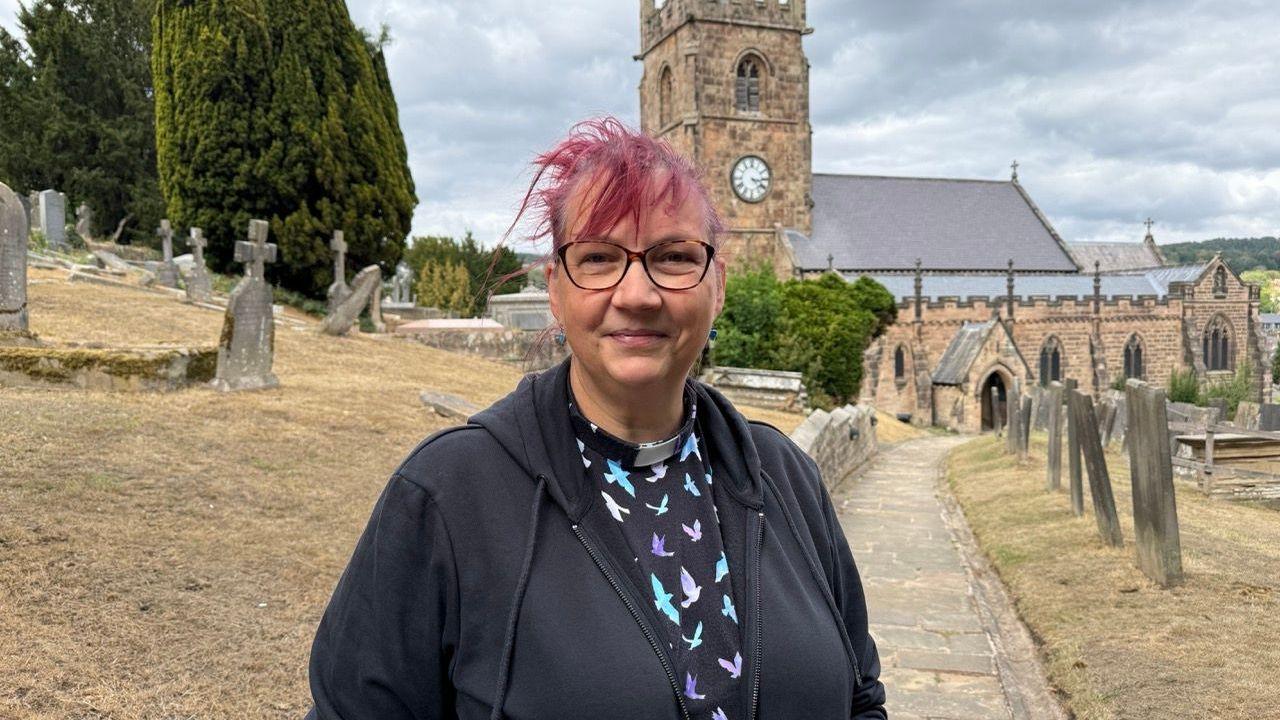
Reverend Katrina Jenkins, Priest-in-Charge of Matlock St Giles, was on retreat when the insects moved into her churchyard.
She said: "I really hope that they come back when it's sunny next time because it will be lovely to hear them."
Get in touch
Tell us which stories we should cover in Derby