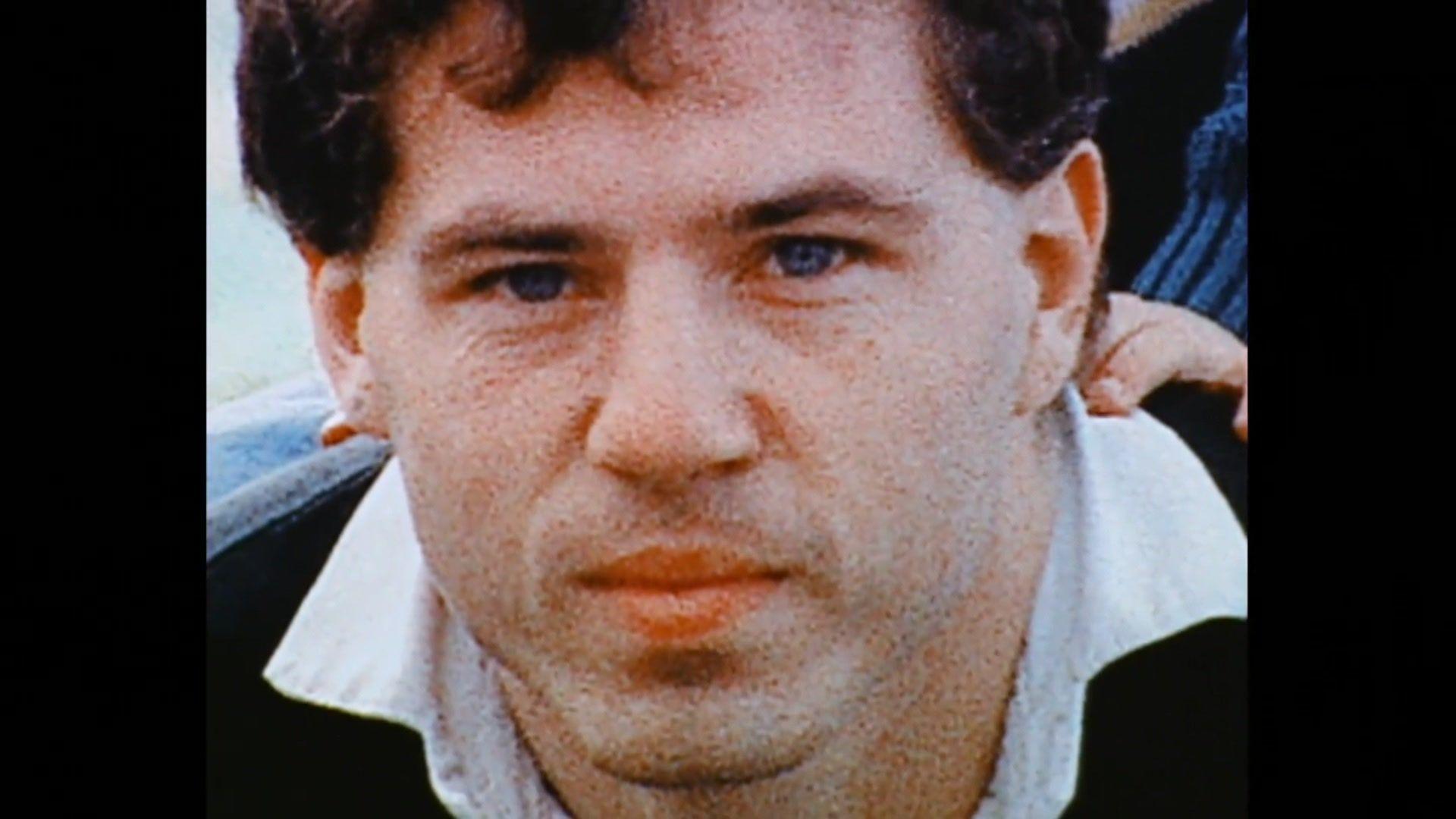
William Dunlop had got away with murder - twice.
So why did he confess, and how did that lead to an 800-year-old law being changed?
In 1999, Dunlop made a dramatic disclosure to a prison guard.
He was one year into a seven-year stretch for grievously wounding his partner and her ex, when he admitted he was also a murderer.
Ten years earlier, Dunlop had gone to the home of 22-year-old Julie Hogg, in Billingham, County Durham, and strangled her, before sexually mutilating her body and hiding her beneath the bath.
The revelation that he was the killer came as little surprise.
In 1991, he had twice stood trial for the 1989 murder, but both times jurors had failed to reach verdicts - with the second trial resulting in a formal acquittal.
The double jeopardy rule, an established common law practice, states a person cannot be tried for the same crime twice after a previous acquittal.
So when Dunlop made his confession, he knew he could not be prosecuted for Julie's murder.
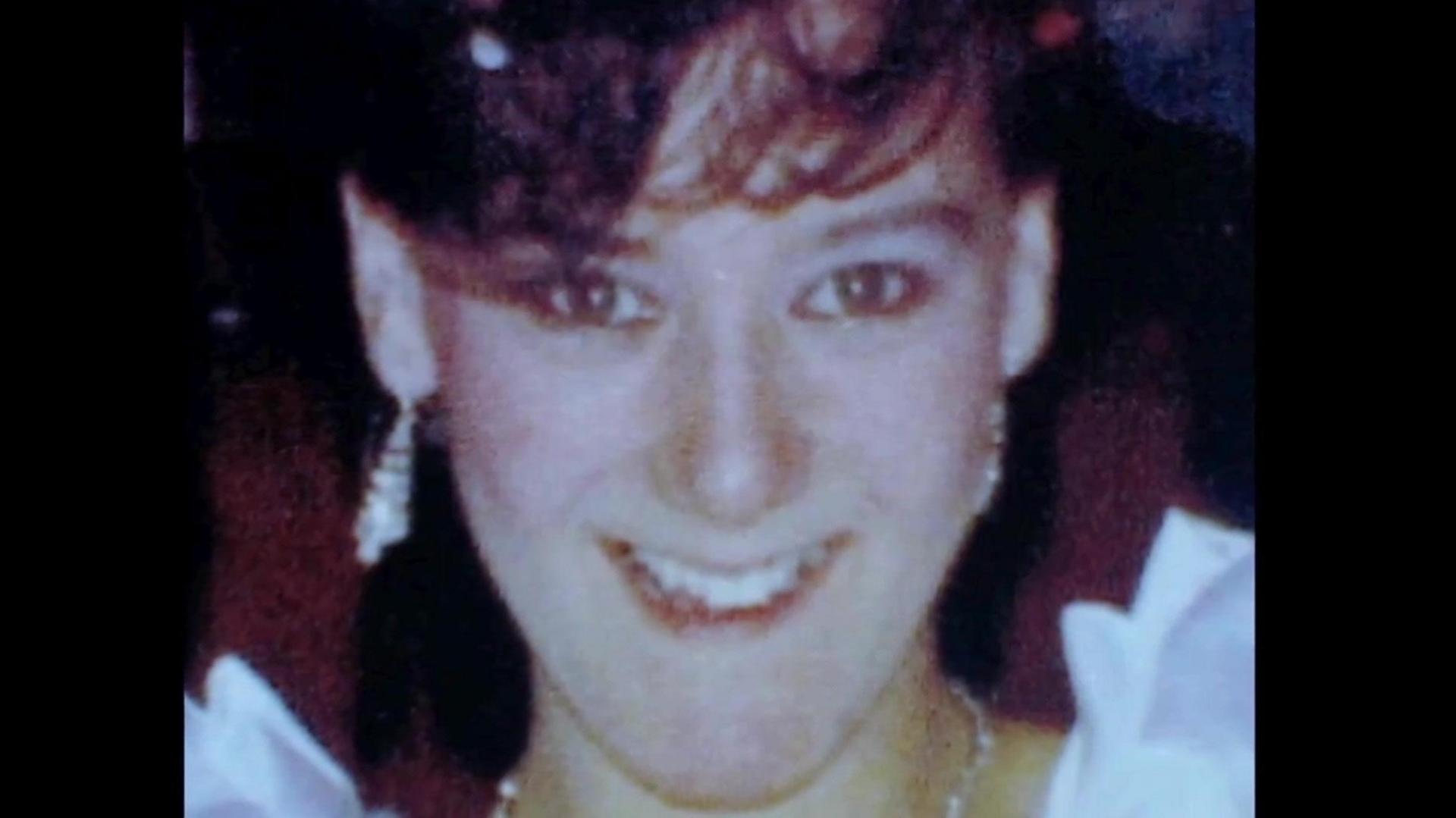
He could, however, be prosecuted for the lies he had told at those earlier trials, and accordingly, he was jailed for an additional six years, for perjury, in 2000.
But he had not reckoned on the determination of Julie's mother, Ann Ming, to see her daughter's brutal killer answer for his crimes.
Ming tirelessly campaigned for the law to be changed so Dunlop would face justice.
Following her campaign, the double jeopardy rule was partially abolished in England, Wales, and Northern Ireland in 2003 (and later Scotland, in 2011) to allow retrials for very serious crimes if new and compelling evidence came to light.
In 2006, Dunlop was jailed for life with a minimum term in 17 years after formally admitting murder.
Without his 1999 confession though, it is unlikely any of the above would have happened.
So why did he confess?
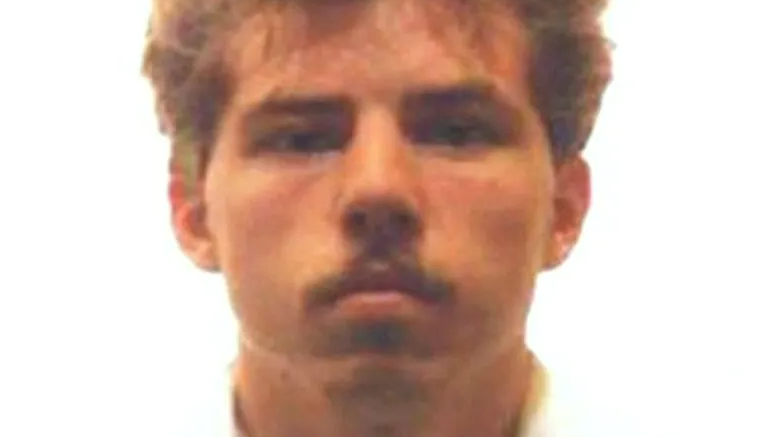
When he jailed Dunlop at the Old Bailey, on 6 October 2006, the judge, Mr Justice Calvert-Smith, said Dunlop "believed rightly" he could not be retried for the murder.
The killing was "undoubtedly motivated" by the then 26-year-old's frustration at Julie's "unwillingness to have sex" with him.
Dunlop "believed he was in the clear" and was hoping the admission of her murder would result in a transfer to a prison with "facilities for disturbed offenders", the judge said.
"There was little, if any, word of regret that I was able to find in those initial confessions for the taking of Julie Hogg's life - let alone in the suffering he had inflicted upon her family," the judge said.
At his previous public parole hearing, held in December 2024, Dunlop confirmed the judge's assessment, saying his confession at the time had been "purely selfish", made on the understanding he was safe from conviction.
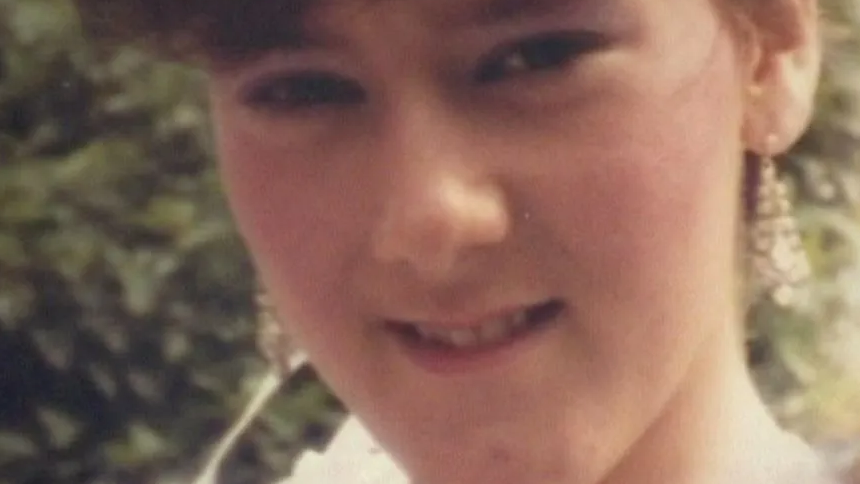
On Wednesday, making his fourth appearance before the Parole Board, Dunlop once again acknowledged the 1999 confession has been self-motivated.
The panel, meeting in the Category C prison which Dunlop has called home for several years, asked if he would have ever confessed were it not for the double jeopardy law.
"I would say no," Dunlop replied, adding: "At the time I would never have admitted it. I would have carried on suppressing it."
Dunlop, now 63, was asked by the panel if he regretted confessing, given his later conviction for murder.
"No, not now, because of where it's got me," he said, as he sought to convince the panel he was no longer the same "horrible", violent man.
He "thanked" Julie's mother, claiming, because of her campaign, he was in prison where he had "not hurt anyone else".

Having lost his own son in the past year, Dunlop said he finally empathised with Julie's family and what they went through when she died.
His comment brought snorts of derision from her mother and Julie's son, watching the hearing on a television screen in a conference room at the International Dispute and Resolution Centre in central London.
When his psychologist suggested his bereavement meant he now had some "similarity" to Julie's family, they were visibly angry, with one of their party shouting "no similarity at all".
Julie's family vehemently opposes his release, with Ann saying he is "evil through and through".

Yet all the prison professionals are adamant Dunlop is ready to leave prison, under strict licence conditions including a curfew, GPS monitoring, exclusion from swathes of North East England and regular polygraph tests.
Dunlop is a convicted liar - a proven manipulator with psychopathic traits - but those who have worked with him in prison believe his remorse is now genuine.
They maintain Dunlop's 'mask' would have slipped under the intense scrutiny he has faced if he were not sincere.
The death of his son, and increased attention brought by a TV drama about Ann, have provided a recent test of his ability to cope - a test prison officials believe Dunlop has passed.
He maintains his confession has helped him become a better person, happier with his current state of being, than the angry violent man he was.
For Julie's family, it resulted, ultimately, in a successful overhaul of the law and a semblance of justice. But it can never undo the evil actions of William Dunlop.
Follow BBC Tees on X, Facebook, Nextdoor and Instagram and listen to Radio Tees on BBC Sounds.
Get in touch
Do you have a story suggestion for BBC Tees?