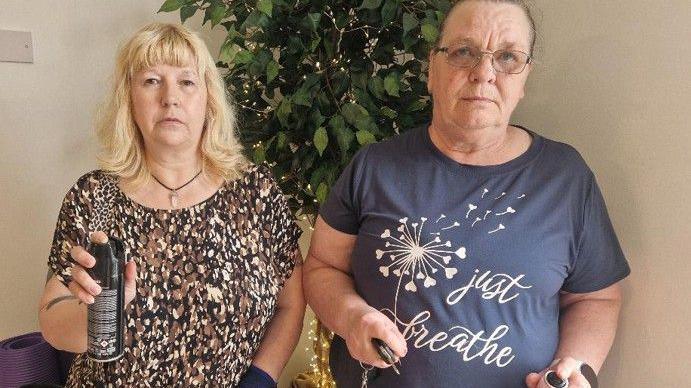
Women have said they are "weaponising" themselves by carrying hairspray, perfume and deep heat spray on public transport because they fear being attacked.
Members of the Just for Women centre in Stanley, in County Durham, told the BBC they do not feel safe on buses and trains and do not like to travel alone.
The results of a survey carried out on behalf of North East Mayor, Kim McGuinness, found 90% of women said they felt unsafe or uncomfortable travelling around the region.
Bus firm Go North East urged women feeling intimidated to alert its drivers, who have had special safety training. It also said it had made improvements to lighting on vehicles to help people feel safer.
Karen, from New Kyo, who goes to the Stanley women's centre, said attention from men made her anxious and she carried sprays in her bag.
"I've had men come right up to us, staring at my chest," she said.
Keegan, from Stanley, said she holds keys in her hand to protect herself and has an app on her phone so her family can track her.
"Unless I can get in my car and lock the doors, I don't tend to go anywhere," she said.
Debbie from Annfield Plain, said she no longer wears her hair in a pony tail so it cannot be grabbed.
Linda Kirk, who runs the centre, said: "A man doesn't think anything about just jumping on a bus, a woman's different.
"They have to think about weaponising themselves. It's ridiculous."
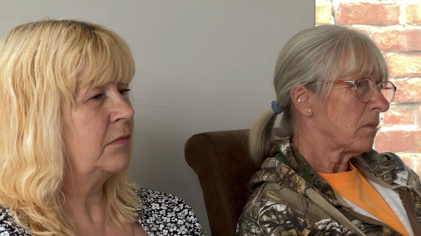
Of the 1,938 respondents, 87% said they felt unsafe or uncomfortable while travelling.
McGuinness said she was already taking action by investing £4.2m installing 700 cameras and improving lighting across the travel network, but also admitted "we know that we need to do more".
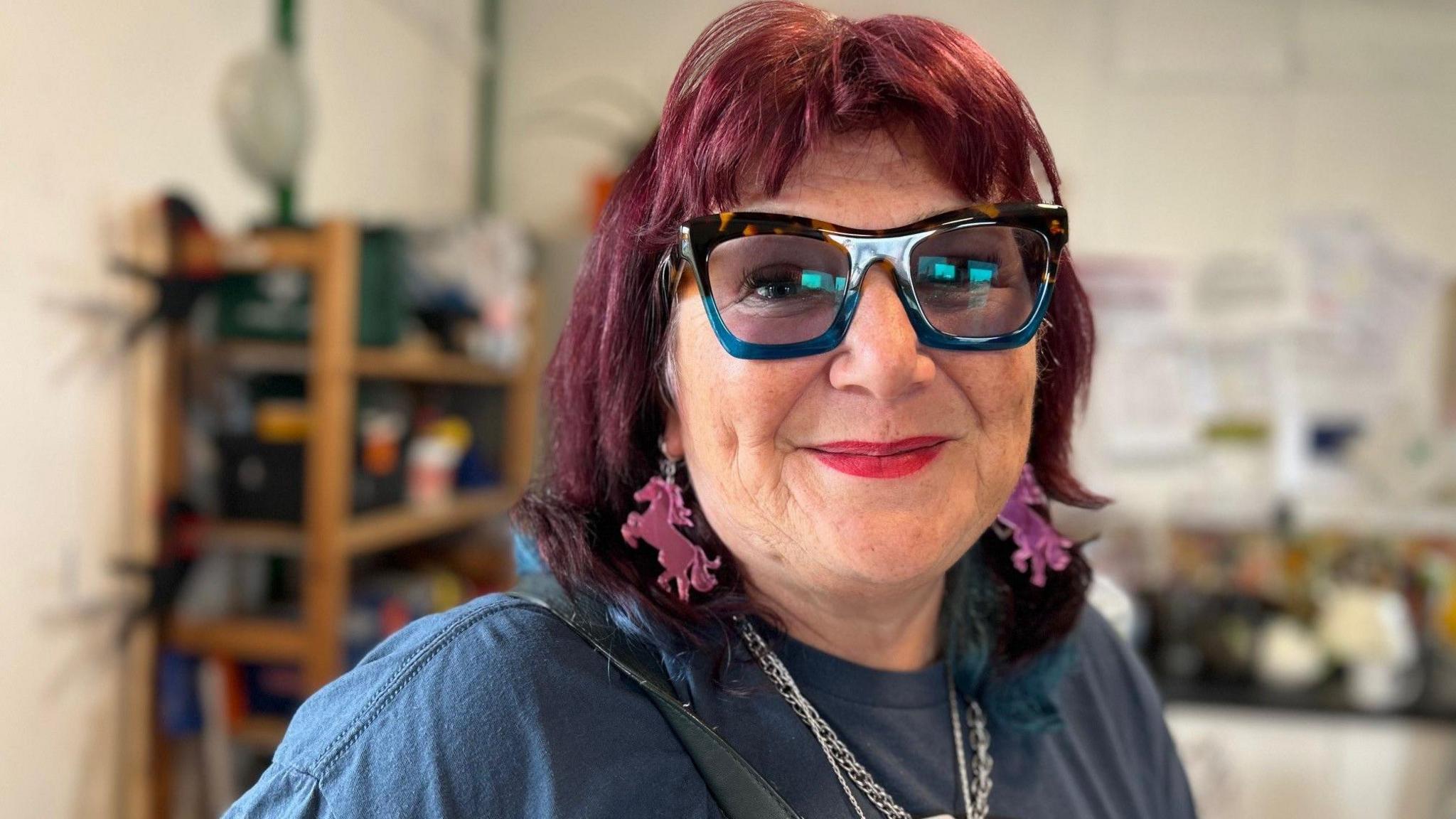
Susan Goldstein, of the Women's Workshop in Amble, said many women were choosing not to make journeys.
Ceira said she feared unwanted conversations and sexually motivated harrassment.
"I worry about who I might come in to contact with," she said.
Nicola Morrison said technology in the area was not as sophisticated as in bigger cities and travellers were not able to find out when the next bus was coming "or if you've missed a bus".
In June, LNER became the first UK train operator to introduce the Ask for Angela scheme, enabling vulnerable customers to discreetly ask for help.
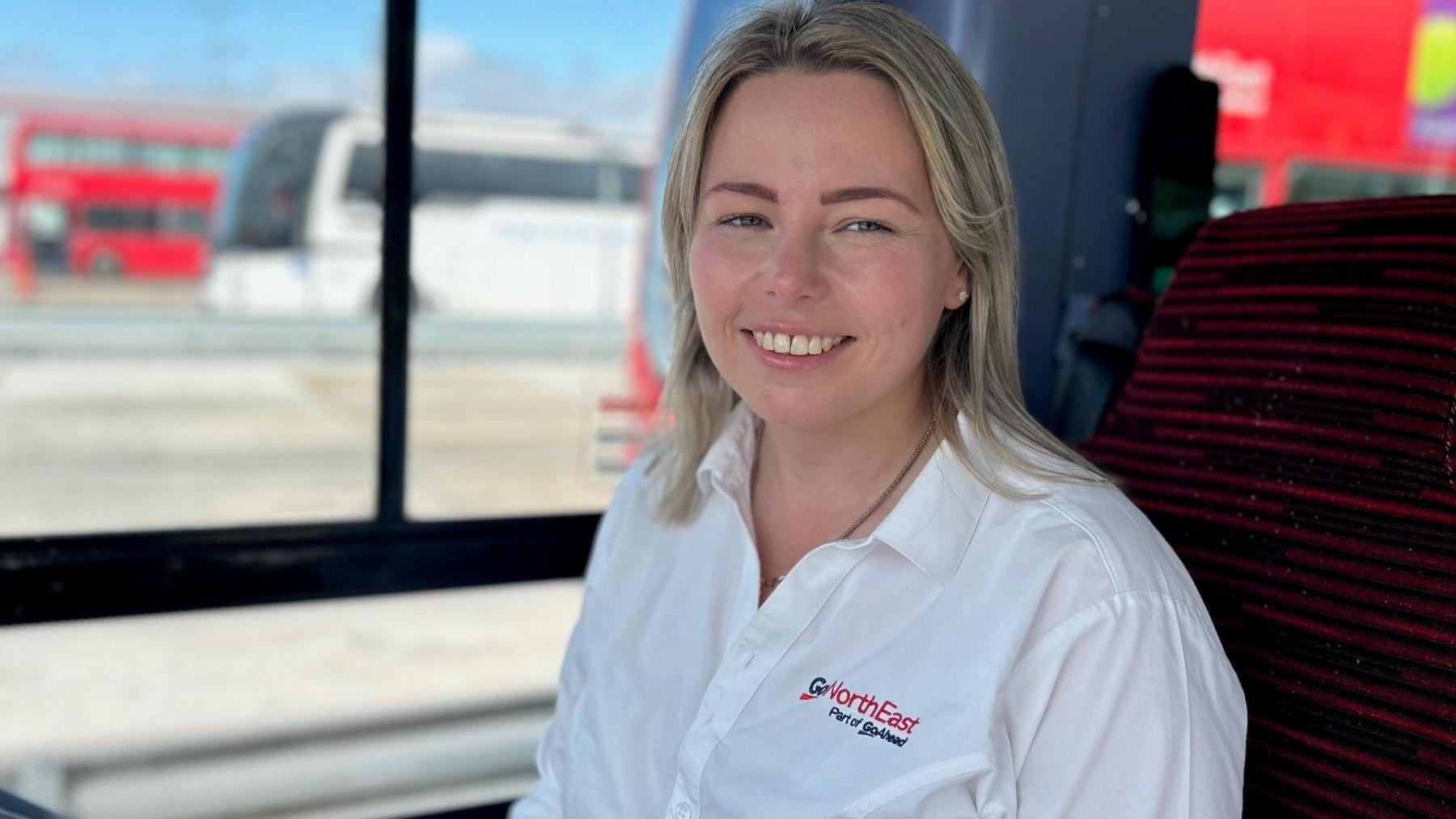
In January, Go North East, introduced a training course for its employees on improving the safety of women and girls which is taught by driver Kayleigh Hind.
She raises awareness among colleagues about how female passengers may be feeling.
"The worst case I've had was a man just beating his partner on the bus - I was terrified," she said.
"We get the drivers to look in their interior mirrors, and if a woman's sitting close, they can keep an eye on her."
She said it was important that passengers alert drivers "because they are trained to help".
Ben Gilligan, managing director at the bus firm said: "We want to do everything we can to support customers who may be worried about violence or intimidation."
He also said in the last three months, less than 0.5% of the 12 million journeys made by passengers led to reports of anti-social behaviour of any kind.
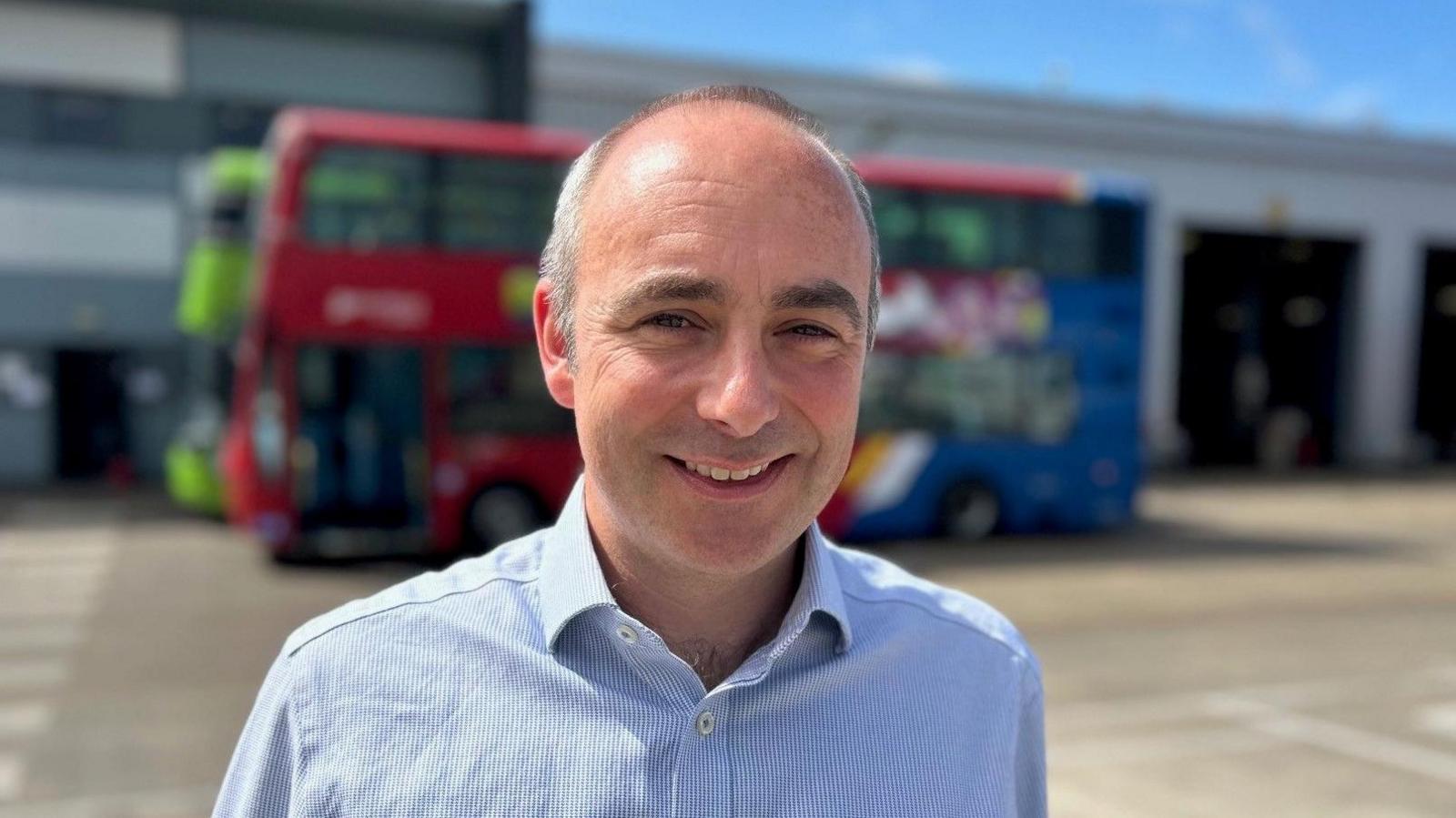
The police and crime commissioner for Northumbria, Susan Dungworth, is developing a women's safety charter, to help empower people to feel confident challenging sexism and misogyny.
Joy Allen, police and crime commissioner for Durham, said the force was increasing patrols and investing in smart technology, including AI-enabled CCTV.
MPs on the cross-party Transport Committee launched an inquiry in July to investigate how well the government and transport providers were keeping women and girls safe as they travel in the UK.
It runs until 9 October, and wants to find out what more could be done to ensure women can travel without fear of violence, intimidation or harassment.
Follow BBC North East on X, Facebook, Nextdoor and Instagram.
Get in touch
Do you have a story suggestion for BBC Tyne?