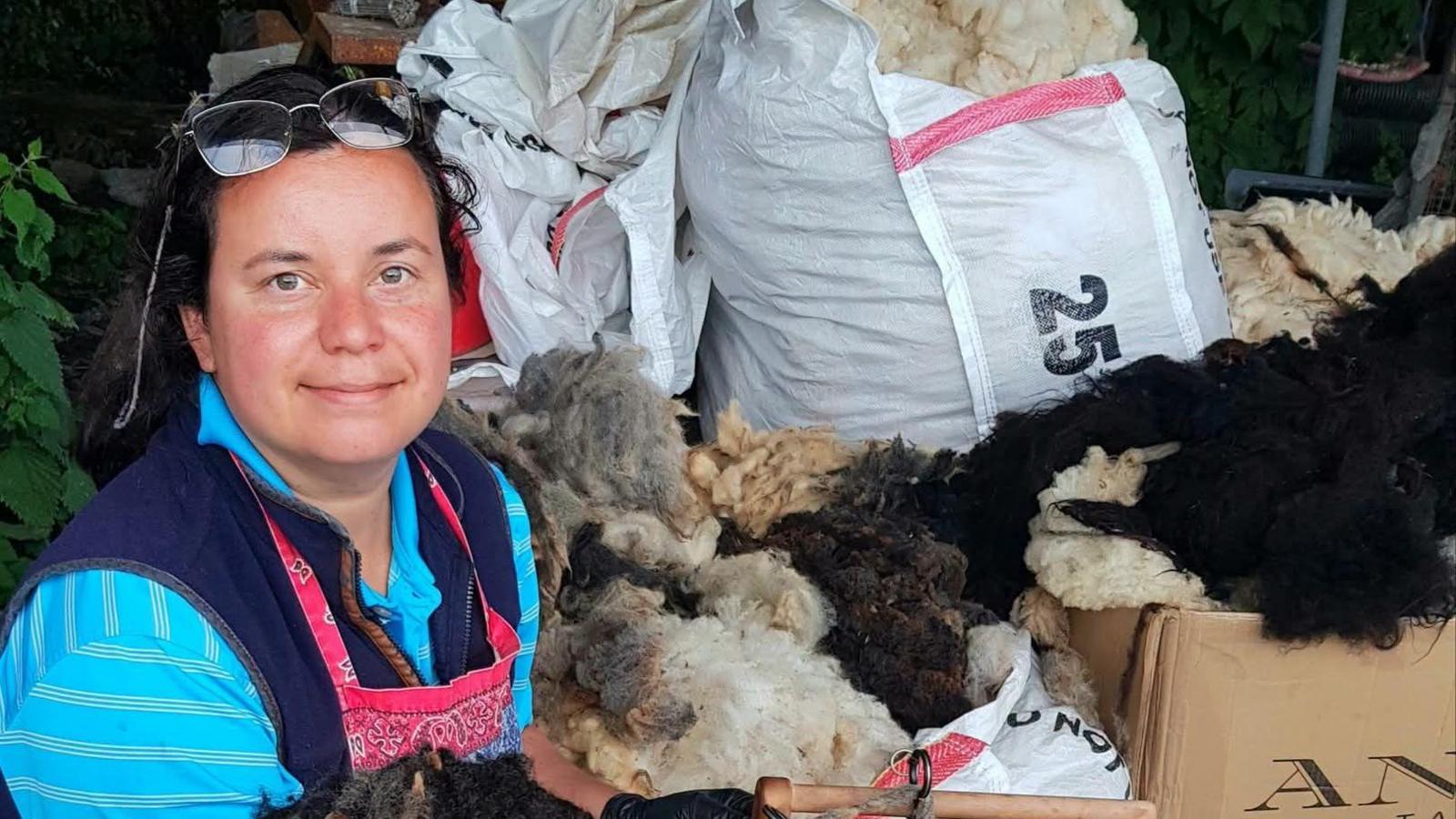
A wool farmer who set up a fundraiser to help feed her sheep says she was criticised for having a coffee and croissant.
Zina, 38, was shocked at the reaction after sitting down in a cafe to enjoy the baked treat, and posting a photo on Instagram with the caption "gorgeous cups of coffee".
This £7 purchase did not go down well with some after she had set up a GoFundMe page with the aim of raising £10,000 to feed her 100 Icelandic sheep.
The mum-of-one says she couldn't believe her eyes when she received comments calling her a scammer for "indulging" herself.
Zina, like livestock owners across Wales, is struggling to feed her sheep during the extended hot spell.
Usually they would graze on commons and hillsides, but the hot weather means there is little grass - with farmer James Bourne describing the situation as "devastating".
For Zina, who has a small holding in Llechwedd, Conwy, that she runs with partner Dale, 46, it is costing her £50 a day to buy hay.
She uses wool from her sheep to make yarn and bespoke rugs for customers all over the world.
Zina launched the GoFundMe page to help tackle the costs - but received a backlash for later posting her cafe purchase on social media.
She has since decided to sell half her flock to "good homes", and has so far sold 20 sheep, a Jersey house cow and her calf.

It was on 13 July that Zina posted a photo of a coffee mug next to her croissant with icing sugar dusted on top.
She explained the reason she treated herself - after being shocked to find she needs throat surgery.
"Unfortunately, I have to have a throat surgery that I found out recently," she added.
"That's why I went to that cafe whilst waiting for my prescription."
Zina also wanted to support a local business on her social media page, not expecting people to react so negatively.
She said some people have accused her of "scamming" and she has since been told to "graft" instead of asking for help.
Zina told the BBC she received around 100 negative comments, had to block six people and provided screenshots of four of them.
They accused her of neglecting animals and being unfit to care for them.
One person said people were being "conned", while another said it was "manipulative".
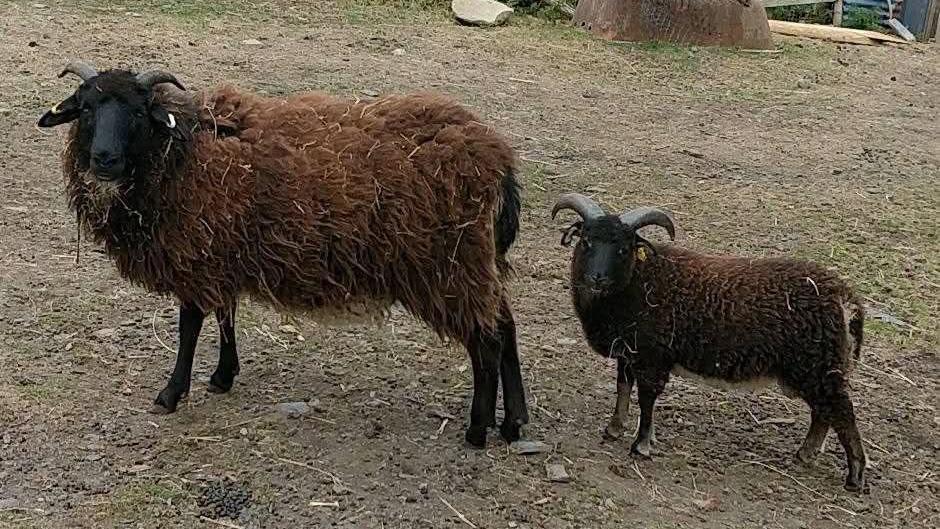
It's not the first time Zina has used the fundraising platform, having used it to fix a shed roof after Storm Dennis.
"It's like, if you have nothing good to say, don't say it," she said, and added that she's not forcing anyone to donate.
Zina moved to the UK in 2014 - and it was the first time she had ever seen a sheep.
She said: "I learned about sheep because I've seen them only in the pictures - I had no idea they can be different colours, apart from white."
She had her first few sheep from a farmer, bought a second-hand spinning wheel and turned it into a job, having previously worked in banking.
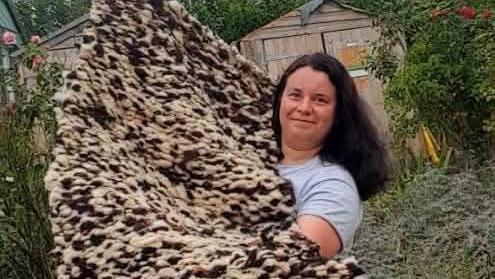
She then taught herself how to weave rugs from YouTube videos.
Having turned it into a profitable business, she has now made the tough decision to sell half her flock to get down to "manageable levels".
This is due to concerns she won't be able to afford feed while recovering from an operation in a few months.
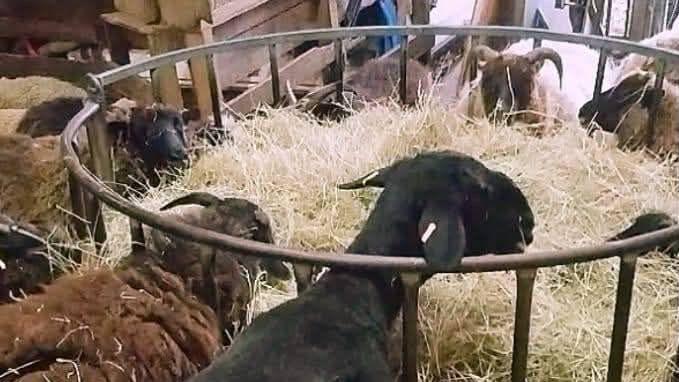
"There's no chance that our livestock can be fed on grass now. It's not happening," she added.
Why are farmers struggling?
Last month, a drought was extended across the whole of Wales, with the country experiencing its driest July on record.
Grass growth has stunted and forced livestock farmers to consume their winter feed rations early.
Zina has had to spend around £1,500 a month on hay since June - and usually only starts buying it in October.
James Bourne, of Penyrheol Farm, Abersychan, in Torfaen said the hot, dry weather and wind have made conditions difficult for farmers - and wildfires have been devastating.
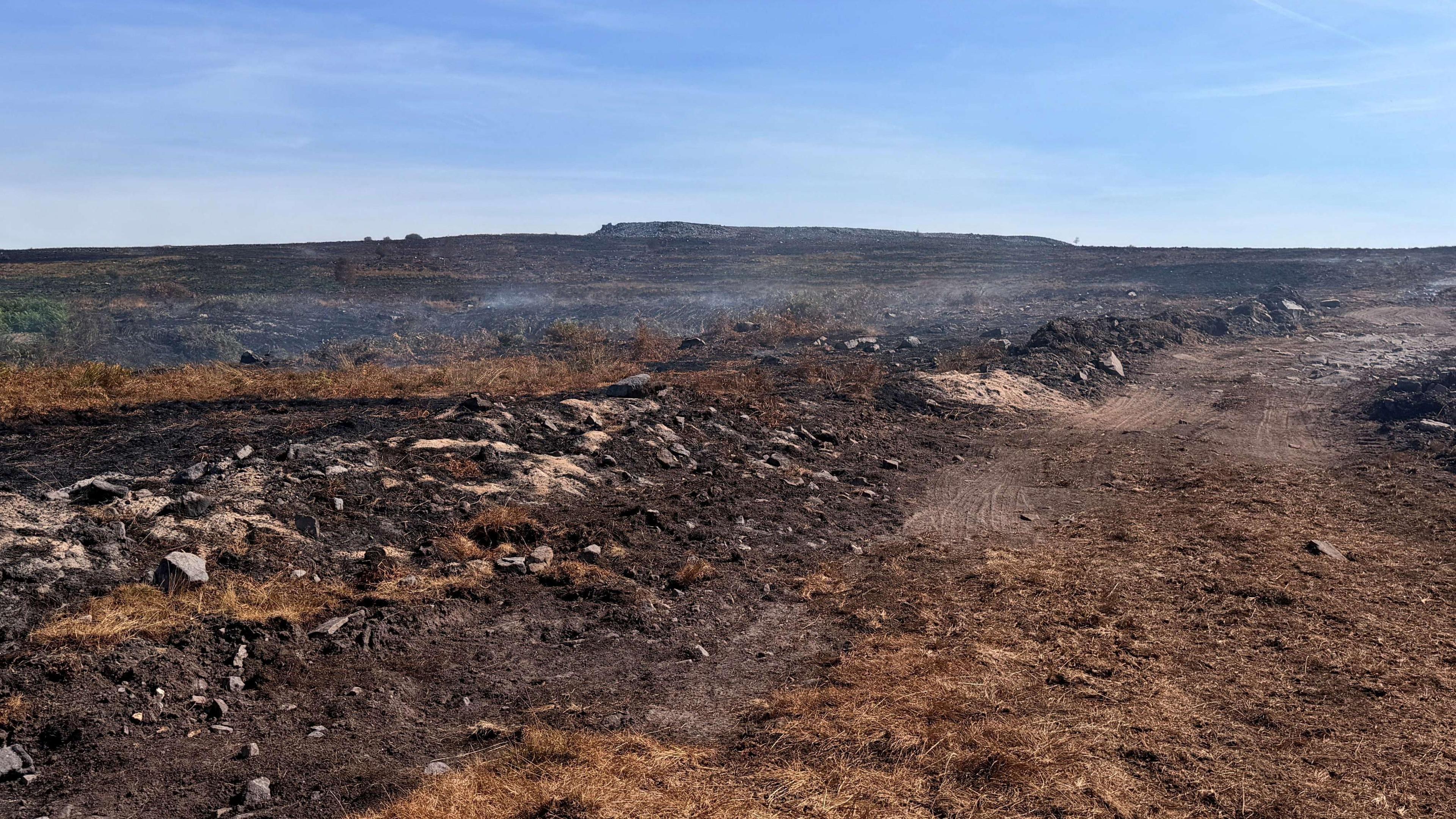
He's been impacted by the wildfire that spread across 700 acres, and has been digging fire breaks around the six to seven mile perimeter with other farmers to keep it contained.
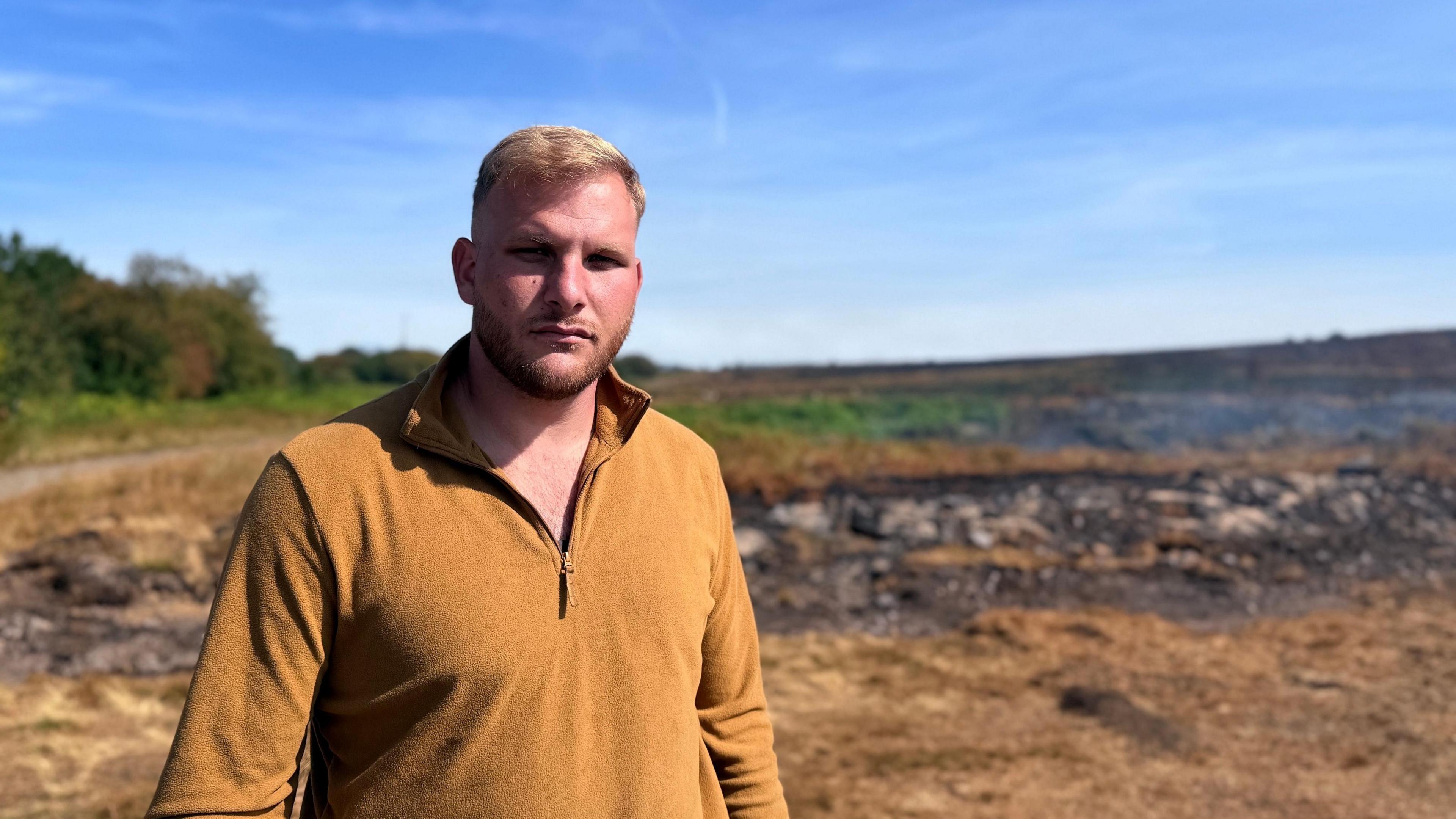
Speaking on BBC Radio Wales' Country Focus, he said: "While we're up there trying to control the fire I'm now three and a half weeks behind with my work on the farm.
"I've got fields that I was supposed to have mowed and it's now dead on its feet, so there's no good food quality in it."
Like many farmers, Bourne has had to start feeding his sheep grass cut in June now, as grazing on the common is scarce.
"It would be sort of winter months that we'd start feeding generally," he added.
"There's nothing on the farm to graze. There's nothing on the common to graze. There's going be a massive problem later down the line."
Bourne is worried that huge numbers of farmers are having to do the same, and demand will outweigh supply this winter.
He believed it could lead to "an economical loss" and cost farms hundreds of thousands of pounds.
"Everybody's going be in the same boat, you know, looking for feed later on in the year, and it's just extra cost on top of everything else that we're struggling with at the moment," he said.
"That's not just for this year because obviously grazing on the common is going to be scarce now for quite a few years, so we are going to have these issues long after the fire is put [out]."
Additional reporting by David Grundy