Despite having 13 restaurants, delis and cafes to his name worldwide, Yotam Ottolenghi is more of a home cook these days.
“I spend the majority of my cooking at home because at work I don’t cook so much – I’m more like the conductor of an orchestra,” says the British-Israeli chef and restaurateur.
Meanwhile at his home, “I cook for myself, for my kids, for my friends, people who come over, and [my food] ends up being much more geared towards people’s daily palates rather than an occasional palate”, i.e. a restaurant meal.
He may be famed for helping to popularise a whole movement of using Middle Eastern flavours in British home kitchens, as well as vegetable-forward cuisine, with his landmark cookbooks, Plenty in 2010, and Jerusalem in 2012, but his family “like a schnitzel, or they want a potato”, laughs the 57-year-old dad-of-two.
Being in the kitchen is much more than a necessary means to put food on the table for his 11 and 13-year-olds and his husband though. For Ottolenghi it’s a good opportunity to put down his phone and be more present.
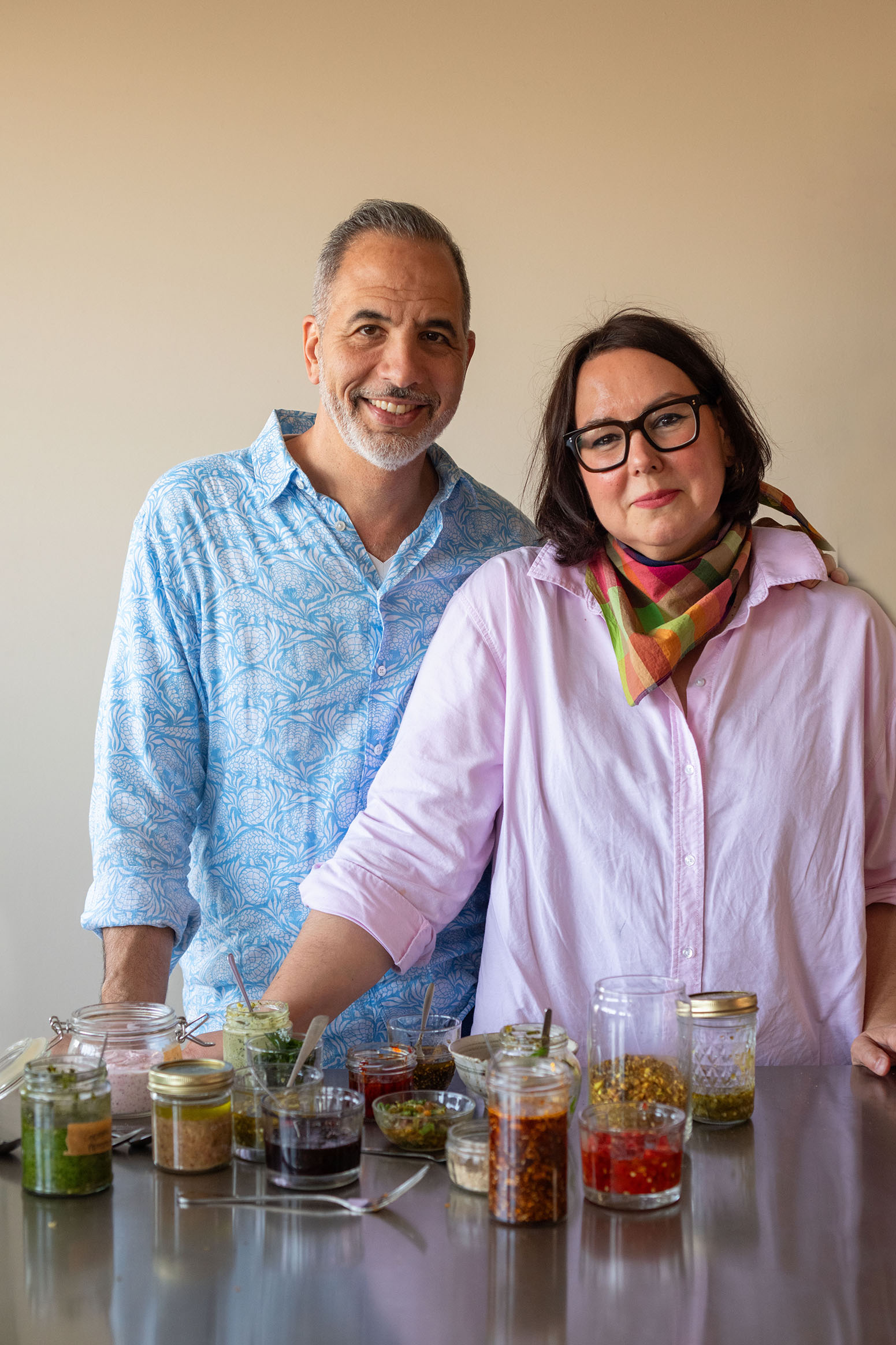
“I think probably like 90% of the population, I’m addicted to my phone,” he says, “I look at it more than I should. I check it four times an hour, if I’m lucky.”
Eight years after the publication of another bestselling cookbook, Ottolenghi Simple, he is back with an “even simpler” one – Simple Too, written alongside recipe and product developer Verena Lochmuller. And one of the main shifts that everyone has experienced in that time is our phone.
“We had the phone eight or 10 years ago, but it wasn’t as prominent as it is now. We were not like glued to it in social media as we are now, and a lot of people get their food info through their phones.
“I don’t often preach and I don’t like “kind of a call for people to leave their phone aside, or whatever screen they’re looking at and just come into the kitchen and cook simply in a way that works for them,” he says.
“Sometimes the phone adds anxiety to an already anxious environment. I think old-school cooking, putting the screen aside, going into the kitchen, bringing out some ingredients, and because you are engaged with the ingredients, you tear yourself away from your phone and you just have time for yourself – I think that is very precious.
“I do have a feeling that everyone’s looking for ways to do things that are meaningful – like doing crafts or meditation, whatever it is – all those human activities that are just much more real.
“Cooking is an enormous opportunity. In some ways it’s as old as human history. It really grounds you, it really connects you with the past. We’re all connected to ingredients in some ways and it’s a way to connect to your own past. Cooking something that you had as a child is immediately comforting.
It’s a great opportunity that we miss out on too often, he says.
“You choose the level of complexity – this is the most important point. Don’t set the bar too high for cooking.”
It might be a surprise to hear but even Ottolenghi takes shortcuts in the kitchen – “Oh, all the time!” he laughs.
“Of course, I’ll spend time in the kitchen when I have time. But I also come back from work and I think, I only have 20 minutes to half an hour to put it all together.
“I get takeouts, I warm up things, sometimes I don’t feel like cooking. I even have junk food sometimes,” he says, his latest cookbook being a reflection on where our lives are now – busy, time-stretched and with more digital distractions than ever before.
“We use a lot of spice mixes like ras el hanout, pre-cooked rice or pre-cooked chickpeas to really embrace the pantry in a way that allows you to cook without having to start it from scratch every time you go into the kitchen.
Using a few helpful shortcuts, “still counts as cooking”, he says. “Don’t put yourself in a position where you’re not going to cook because you’re going to have to chop forever. Condiments, pre-cooked things, all allow people to actually cook for themselves and not rely on deliveries or ready-made meals.
While his influence comes from many areas of the world, the Middle Eastern pantry ingredients Ottolenghi has become synonymous with, like pomegranate molasses and rose harissa, are very much staples.
“There’s been like this amazing revolution in terms of what people have in their pantries.
“From miso to black garlic to all the types of soy sauce, to tahini, to the different kind of cheeses that you can use, types of fetas, and then spices, marinades, ferments. It’s kind of endless.”
Vegetable-forward cuisine, as always, takes centre stage – think, whole roasted kohlrabi, butternut parmigiana and fennel, grape and olive tarte tatin.
Fennel is an underrated, “wonderful” vegetable he thinks we should be using more of. “I think a lot of people think of fennel and think of raw fennel, which is a bit like celery, and it can be a bit challenging texturally and flavour-wise, but once you cook it, it goes all beautiful and sweet, it doesn’t have the harshness.”
His approach to veg has always been to show “how good they can be”.
Kohlrabi is “even more underused and underrated in this country, he says. “It’s a wonderful vegetable – a bit like a cross between a radish and an apple. It’s really nice, fresh, thinly sliced with some olive oil and a herb, it also cooks really beautifully if you give it olive oil or butter. Like garlic, it goes from something quite raw and harsh to something very, very sweet in the process of slow cooking.”
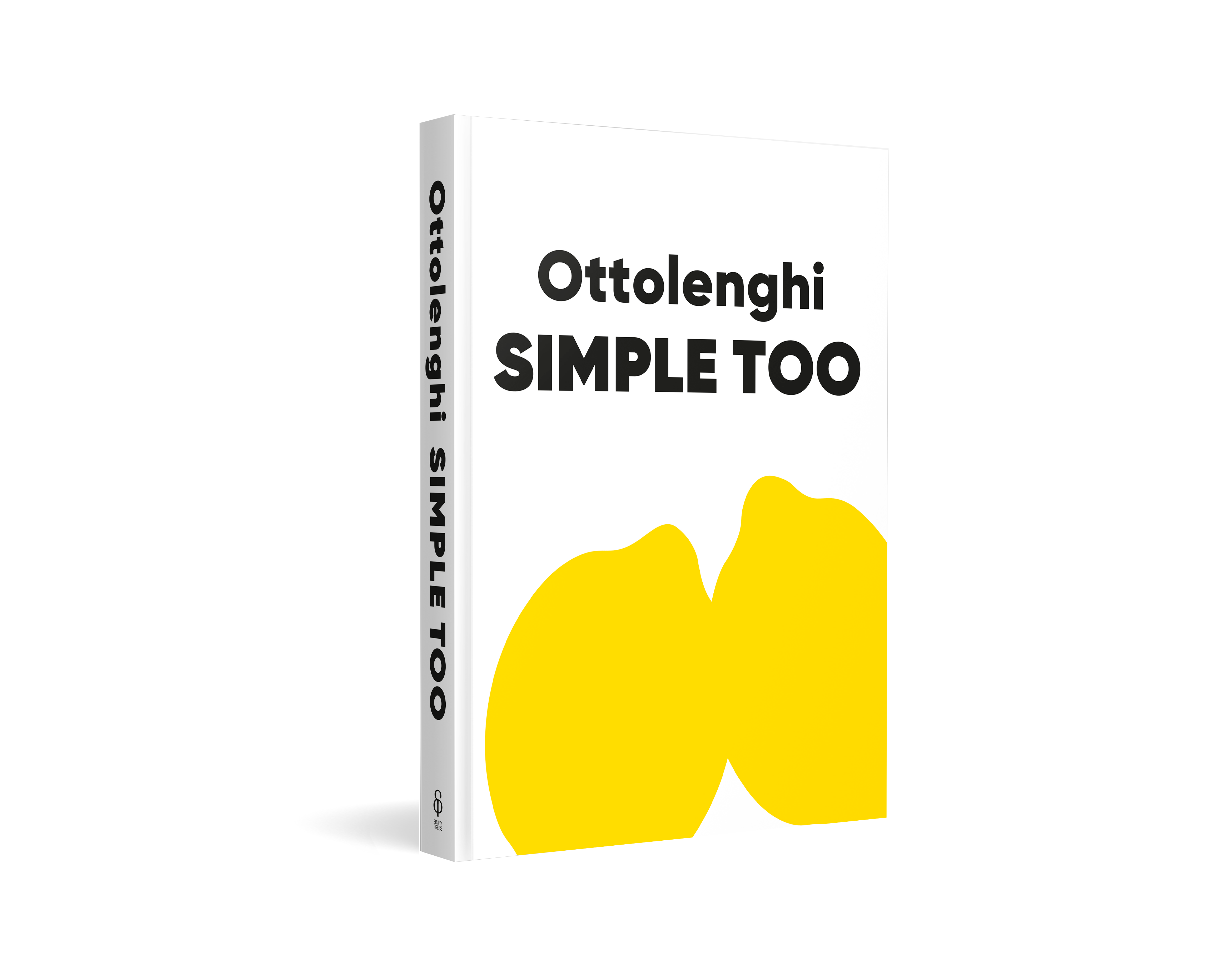
Ottolenghi Simple Too by Yotam Ottolenghi is published in hardback by Ebury Press, priced £30. Photography by Jonathan Lovekin. Available now.